
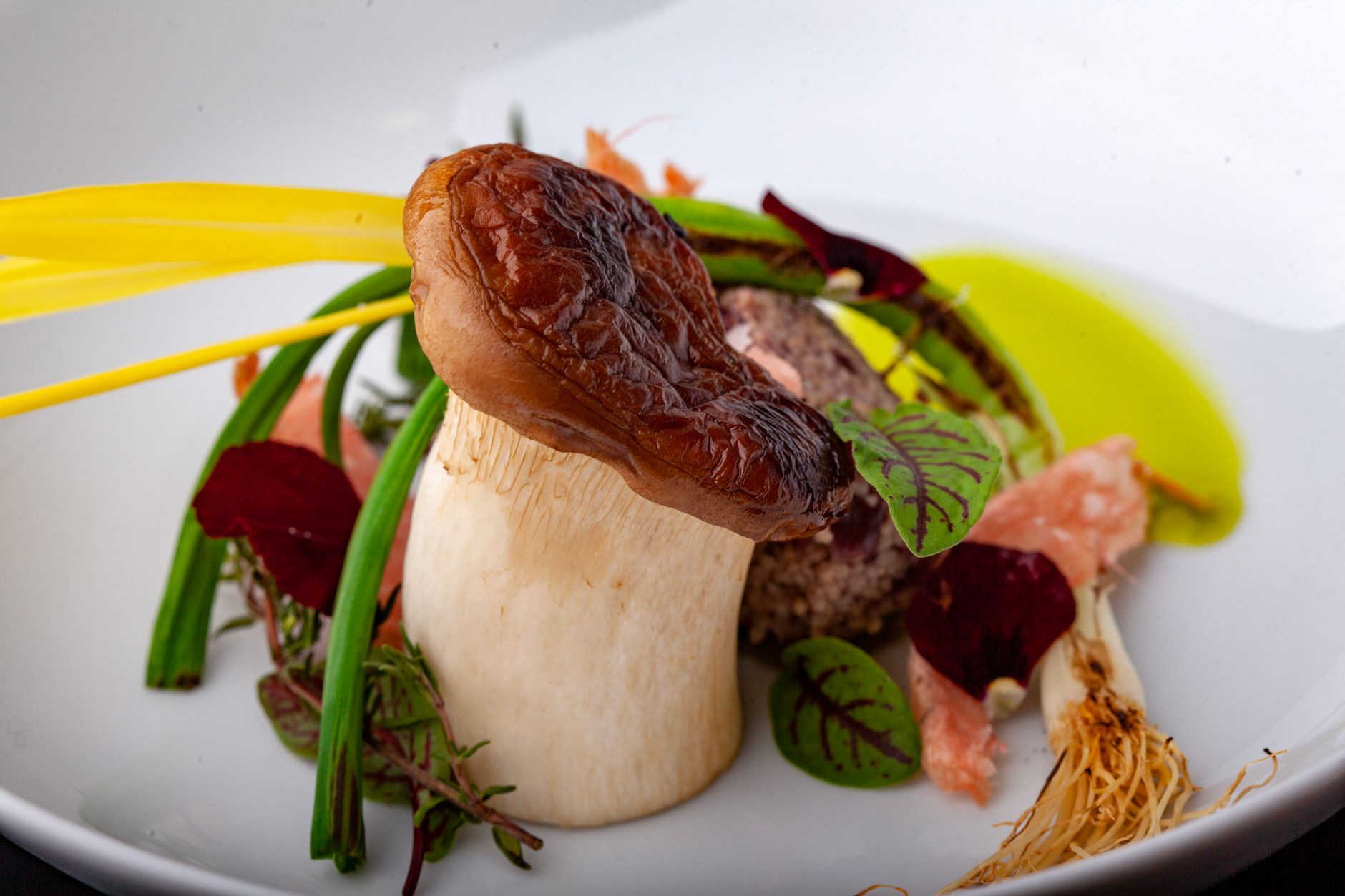
The term “Food Leblanc-King” may not be immediately familiar, but it encompasses a fascinating culinary aspect that blends heritage, creativity, and unique flavors. Understanding this food tradition can deepen your appreciation for diverse cuisines and introduce you to new tastes and cooking techniques.
This article will explore the significance of Food Leblanc-King, the key ingredients involved, traditional recipes, cooking methods, and serving suggestions that showcase this vibrant culinary style. By unpacking its essence, you’ll gain insight into why this food tradition deserves a special place in your cooking repertoire.
What is Food Leblanc-King?
Food Leblanc-King refers to a culinary style celebrated particularly in regions influenced by French and Creole cooking. It often highlights the use of fresh, local ingredients infused with bold flavors and traditions passed down through generations. This approach celebrates not just nourishment but also the art of cooking and sharing meals, blending techniques and flavors that honor the cultural landscape.
Historical Context and Cultural Significance
The roots of Food Leblanc-King can be traced to a rich historical tapestry that includes French colonization and local culinary adaptations. As communities interacted, they exchanged ingredients and cooking styles, giving rise to a unique fusion that reflects both influence and identity. Such food traditions often celebrate family, festivity, and the act of gathering around a table.
This tradition serves to connect people with their heritage, drawing on memories and stories associated with food. Dishes prepared in this style are often enjoyed during holidays, family gatherings, or cultural celebrations, emphasizing the communal aspects of dining.
Key Ingredients in Food Leblanc-King
Central to Food Leblanc-King are ingredients that bring out the distinctive flavors and aromas associated with this culinary tradition. Below are some key ingredients commonly used in the preparation of Leblanc-King dishes:
- Herbs and Spices: Fresh herbs like thyme, parsley, and rosemary, and spices such as paprika and cayenne pepper, are pivotal in enhancing flavor.
- Root Vegetables: Potatoes, carrots, and sweet potatoes are often incorporated for their heartiness and flavor.
- Proteins: A variety of proteins, including chicken, seafood, and pork, are featured, reflecting local availability.
- Fruits: Seasonal fruits like citrus and stone fruits often find their way into savory dishes, adding a touch of sweetness and acidity.
- Grains: Rice and cornbread may accompany meals, providing a satisfying base that complements more robust elements.
- Cooking Fats: Traditional fats like butter and lard may be used, providing rich flavors that elevate the overall dish.
Traditional Cooking Techniques
The techniques employed in Food Leblanc-King are varied and often reflect the traditional practices of the cultures from which they originate. Key methods include:
Sautéing
This technique involves cooking food quickly in a small amount of fat over medium-high heat. It’s ideal for developing flavors in vegetables and proteins while maintaining their natural texture. Pay attention to avoid overcrowding the pan, which can lead to steaming rather than sautéing.
Braising
Braising denotes a method of slow-cooking where meats (like pork or chicken) are first browned in fat and then cooked covered with a small quantity of liquid. This technique imbues dishes with rich, deep flavors as the meat becomes tender and infused with herbs and spices.
Grilling
Grilling is a popular method that lends a distinct smokiness to proteins and vegetables. Using a grill or grill pan, the high heat creates a beautiful sear that seals in moisture while adding a charred flavor profile.
Signature Dishes in Food Leblanc-King
Dishes that embody the Food Leblanc-King tradition are diverse and often regional. Here are a few signature dishes that showcase its essential elements:
Jambalaya
This classic dish combines rice with a variety of proteins like shrimp, chicken, and sausage, seasoned with spices and vegetables. The mix of ingredients makes it a one-pot meal, ideal for gatherings and celebrations.
Yield: Serves 6
Preparation Time: 20 minutes
Cooking Time: 40 minutes
Total Time: 1 hour
Ingredients:
- 1 pound andouille sausage, sliced
- 1 pound chicken thighs, diced
- 1 cup bell pepper, diced
- 1 cup onion, diced
- 1 cup celery, diced
- 2 cups long-grain rice
- 4 cups chicken broth
- 2 teaspoons Cajun seasoning
- 1 can diced tomatoes (14 ounces)
- Salt and pepper, to taste
- Chopped parsley for garnish
Method:
- In a large pot, sauté andouille sausage over medium heat until browned, about 5 minutes.
- Add diced chicken, cooking until no longer pink, about 7 minutes.
- Stir in bell pepper, onion, and celery, and cook for another 5 minutes until softened.
- Add rice, chicken broth, Cajun seasoning, diced tomatoes, salt, and pepper. Bring to a boil.
- Reduce heat to low, cover, and let simmer for about 25 minutes, or until rice is cooked through.
- Fluff the rice with a fork, garnish with chopped parsley, and serve hot.
Gumbo
Gumbo is another dish rich in flavor and history, characterized by its thick broth and varied ingredients. Often served over rice, it combines meats like chicken or seafood with okra and a flavorful roux.
Yield: Serves 8
Preparation Time: 30 minutes
Cooking Time: 1 hour
Total Time: 1 hour 30 minutes
Ingredients:
- 1/2 cup vegetable oil
- 1/2 cup all-purpose flour
- 1 medium onion, diced
- 1 bell pepper, diced
- 2 stalks celery, diced
- 4 cloves garlic, minced
- 1 pound smoked sausage, sliced
- 1 pound chicken thighs, diced
- 1 can diced tomatoes (14 ounces)
- 4 cups chicken broth
- 1-2 cups okra, sliced
- 2 teaspoons Cajun seasoning
- Salt and pepper, to taste
- Chopped green onions for garnish
Method:
- In a large pot, heat vegetable oil over medium heat and whisk in flour, cooking until roux is a dark brown color, about 20 minutes.
- Add onion, bell pepper, celery, and garlic, cooking until softened, about 5 minutes.
- Add sausage and chicken, stirring until browned, about 10 minutes.
- Add diced tomatoes, chicken broth, okra, Cajun seasoning, salt, and pepper. Bring to a boil.
- Reduce heat, cover, and simmer for about 30 minutes, stirring occasionally.
- Garnish with chopped green onions and serve over rice.
Practical Tips for Cooking Leblanc-King Style
Cooking in the Food Leblanc-King tradition emphasizes creativity and adaptability. Consider these tips to enhance your culinary experience:
- Embrace seasonal ingredients for the freshest flavors and be open to substitutions based on availability.
- Experiment with spices to customize dishes to your liking, striking a balance between boldness and harmony.
- Use homemade stocks or broths whenever possible, as they enhance the overall depth of flavor.
- Focus on technique, particularly the development of flavors through sautéing and braising, to maximize the richness of your dishes.
- Don’t hesitate to prepare dishes ahead of time, as many flavors deepen and improve with sitting and reheating.
Serving Ideas and Pairings
Food Leblanc-King creates hearty meals perfect for gatherings, but it’s also suited for a comforting evening at home. Here are some serving ideas:
- Serve jambalaya or gumbo with crusty French bread for dipping into the rich broth.
- Offer a side of sautéed greens or mixed vegetables to balance out the heartiness of the main dish.
- Pair your meal with a light salad, featuring fresh fruits and vinaigrette, providing a refreshing contrast.
- A cold beverage, such as iced tea or beer, complements the savory flavors of Leblanc-King dishes well.
Storage and Reheating Tips
Leftovers from Food Leblanc-King meals can be just as enjoyable as the initial serving. Follow these guidelines for storage and reheating:
- Store leftovers in airtight containers in the refrigerator for up to 3-4 days.
- For longer storage, freeze in individual portions for up to 3 months, then thaw in the refrigerator before reheating.
- Reheat on the stovetop over medium heat, adding a splash of broth or water if necessary to maintain moisture.
- When reheating gumbo, avoid boiling, which can change the texture of the ingredients; warm gently and serve hot.
Common Mistakes to Avoid
As with any culinary tradition, certain pitfalls can compromise your results. Keep an eye out for the following:
- Overcooking proteins can lead to toughness; always monitor cooking times and check doneness carefully.
- Neglecting to season adequately can result in bland dishes; taste throughout the cooking process and adjust accordingly.
- Using low-quality ingredients may detract from the meal’s flavor; choose fresh and local when possible.
- Rushing the process hinders the development of deep flavors; patience is key when using techniques like braising.
Food Leblanc-King not only provides delicious dishes filled with personality but also fosters a connection to cultural heritage and community. By embracing this culinary style, you can enjoy rich flavors and enriching experiences at your dining table.
Explore your culinary horizons with these practical tips and try out delicious recipes that will enliven your kitchen. For ingredient alternatives, consult our guide on substituting rosemary, or if you’re curious about the origins of flavor, read about what molasses is made from.