
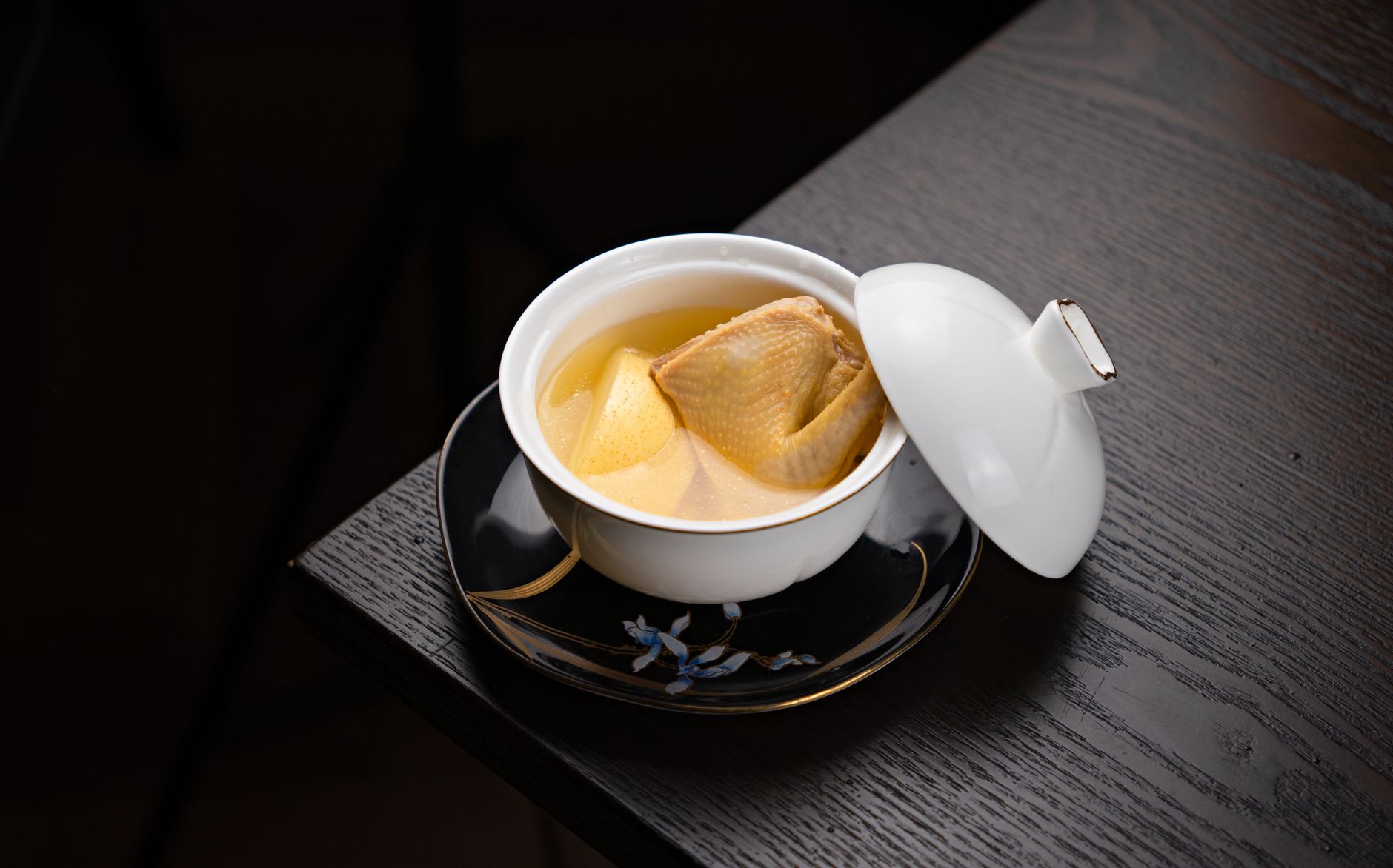
Chicken bouillon is a flavorful stock or broth that serves as a base for soups, stews, sauces, and many other dishes. It is made by simmering chicken, vegetables, and seasonings in water, resulting in a concentrated liquid that can enhance the taste of meals. Understanding how chicken bouillon is made can help home cooks create their own and elevate their cooking.
The versatility of chicken bouillon makes it a pantry staple. Whether you opt for a quick homemade version, use store-bought cubes, or powder forms, having a solid grasp of its preparation opens doors to countless culinary possibilities.
How Is Chicken Bouillon Made?
Chicken bouillon is made by simmering chicken bones, meat, and aromatic vegetables in water, allowing the flavors to meld and intensify over time. The result is a concentrated liquid that imparts rich flavor to various dishes.
Ingredients for Homemade Chicken Bouillon
Creating homemade chicken bouillon requires a few key ingredients. Here’s a breakdown of what you will need:
- 3-4 pounds of chicken parts (bones, carcasses, or whole chicken)
- 2 medium onions, quartered (no need to peel)
- 2 medium carrots, chopped
- 2 celery stalks, chopped
- 1-2 cloves of garlic, smashed
- 1 bay leaf
- Fresh herbs (such as parsley or thyme, optional)
- Salt (to taste)
- Water (enough to cover the ingredients, about 10-12 cups)
Essential Equipment
To make chicken bouillon, you will need the following kitchen equipment:
- A large stockpot or Dutch oven
- A fine-mesh strainer or cheesecloth
- A ladle
- A large bowl for collecting the strained broth
- Measuring cups and spoons
Steps to Make Chicken Bouillon
Follow these detailed steps to create your homemade chicken bouillon:
- Prepare the Ingredients: Gather your chicken parts, vegetables, and seasonings. If using raw chicken, you may want to roast the bones first to deepen the flavor.
- Add to Stockpot: Place the chicken parts in a large stockpot. Add the quartered onions, chopped carrots, chopped celery, smashed garlic, bay leaf, and any fresh herbs. Season lightly with salt.
- Add Water: Pour in enough water to cover the ingredients by about an inch, usually around 10-12 cups.
- Bring to a Boil: Heat the pot over medium-high heat until the water comes to a boil. Once boiling, reduce the heat to low.
- Simmer: Allow the mixture to simmer gently for 4 to 6 hours. The longer you simmer, the richer the flavor will be. Skim off any foam or impurities that rise to the surface during the cooking process.
- Strain the Broth: After simmering, remove the pot from heat. Use a fine-mesh strainer or cheesecloth to strain the broth into a large bowl. Discard the solids, as they will have given all their flavor to the broth.
- Season to Taste: Adjust the seasoning of your bouillon by adding more salt if needed. Taste and make any adjustments.
- Cool and Store: Allow the bouillon to cool completely. You can store it in airtight containers in the refrigerator for up to a week or freeze it for longer storage.
Flavor and Texture of Chicken Bouillon
The flavor of homemade chicken bouillon is rich, savory, and deeply aromatic, providing a hearty base for other dishes. Its texture is smooth and slightly viscous if made with bones, indicating the presence of gelatin released during the cooking process.
Practical Tips for Making Chicken Bouillon
To make the most out of your chicken bouillon, consider these practical tips:
- Use a mix of chicken parts for depth of flavor. Consider using a combination of bones, meat, and skin.
- For added richness, roast the chicken parts and vegetables in the oven before adding them to the pot. This step caramelizes the ingredients and intensifies the taste.
- Adjust the salt content based on how you plan to use the bouillon. It’s often better to under-season it, as you can always add salt later in your recipes.
- For a more concentrated bouillon, continue simmering for longer to reduce and intensify the flavor.
- Make use of leftover chicken or turkey parts from a roast dinner to save resources and ensure nothing goes to waste.
Possible Substitutions and Variations
You can customize your chicken bouillon by incorporating various substitutions or adding flavors:
- Vegetable Bouillon: For a vegetarian version, omit all meat and focus solely on aromatics, using additional mushrooms or vegetable scraps for depth.
- Herb Variations: Experiment with using different herbs such as dill, rosemary, or sage, based on your flavor preferences.
- Spices: Add whole spices such as black peppercorns, coriander seeds, or star anise during the simmering process for an additional flavor dimension.
Common Mistakes and Troubleshooting
Like any cooking endeavor, making chicken bouillon can come with its share of challenges. Here are some common mistakes and how to avoid them:
- Overcooking: If you boil the stock too vigorously, it can result in a cloudy bouillon. Always simmer gently.
- Insufficient Cooking Time: Not allowing enough time for the flavors to develop can lead to a weak broth. Plan for a minimum of 4 hours of simmering.
- Adjusting Salt: Adding too much salt in the beginning can make the bouillon overly salty. Always start with less and adjust after cooking.
Storage and Reheating Guidance
Proper storage of your chicken bouillon will ensure its longevity and flavor:
- Refrigerator: Store your chicken bouillon in airtight containers in the refrigerator for up to a week.
- Freezer: For longer storage, freeze the bouillon in portioned containers, ice cube trays, or freezer bags. It can be kept in the freezer for up to 3 months.
- Reheating: Reheat frozen bouillon on the stove over low heat until warmed through or microwave in short intervals, stirring frequently.
Using Chicken Bouillon in Recipes
Chicken bouillon can be used in numerous dishes to enhance flavor. Here are some ideas:
- Add it as a base for soups and stews.
- Incorporate it into rice or grain recipes for added taste.
- Use it as a cooking liquid for vegetables or legumes.
- Utilize in sauces and gravies to create depth.
Make-Ahead Guidance
Making chicken bouillon in advance allows for easy meal prep. Here are some strategies:
- Make a large batch and store it as per freezing guidelines. It’s an excellent base for quick weeknight meals.
- Consider incorporating leftover bouillon into other recipes as you cook throughout the week.
Chicken bouillon is an essential culinary element that enriches a variety of dishes. By making it at home, you can control the ingredients and customize the flavors to suit your needs. With this guide, you are equipped to craft your own stock and enhance your cooking repertoire.
For further exploration in the world of broths and stocks, consider checking out our guides on the differences between chicken bouillon and chicken broth at Chicken Bouillon vs. Broth, or discover how to make turkey broth, perfect for holiday meals, at Turkey Broth Recipe. Happy cooking!