
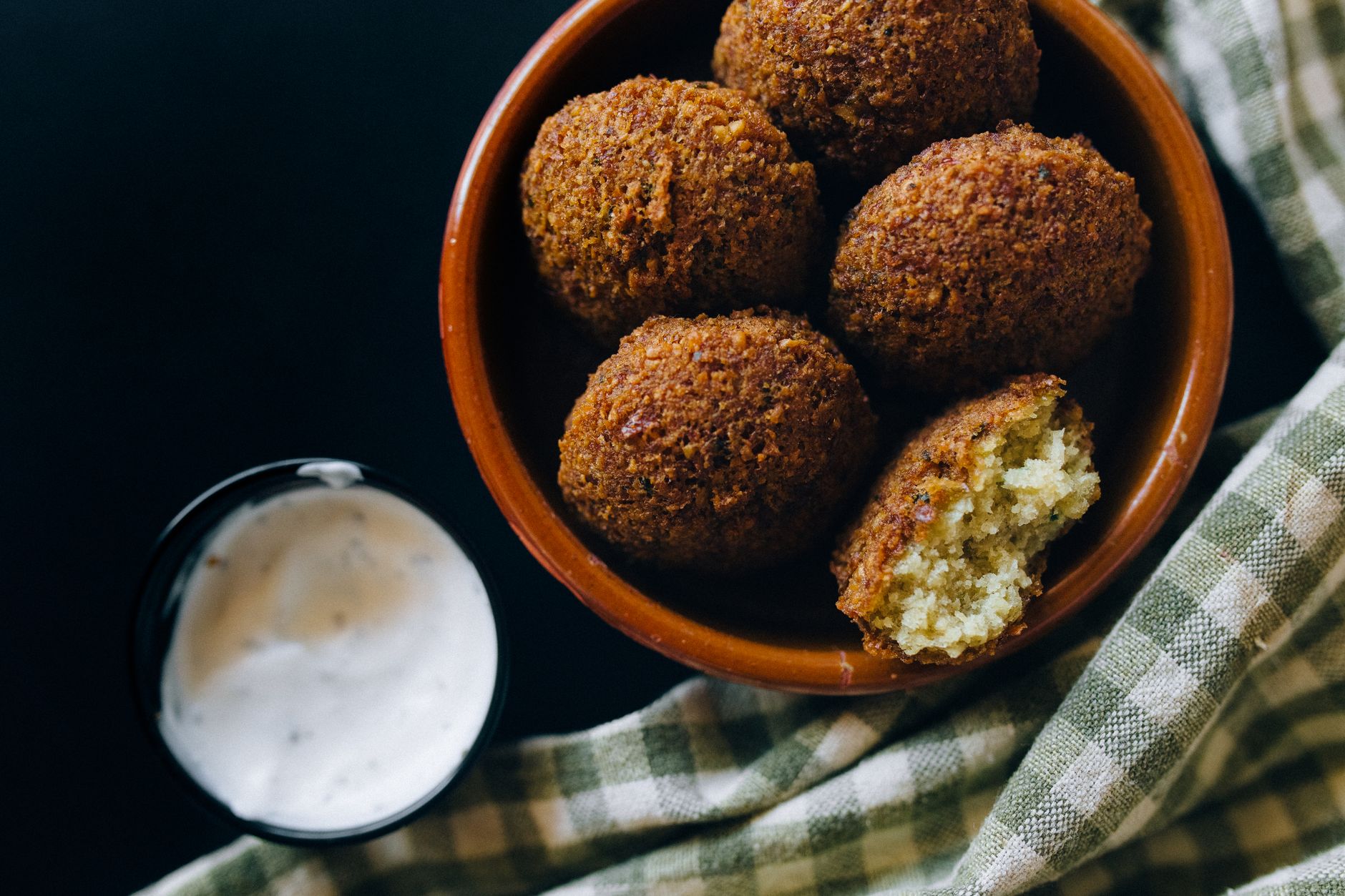
Falafel is a popular Middle Eastern dish made primarily from ground chickpeas or fava beans. Known for its delightful crunch on the outside and soft, flavorful interior, falafel has become a favorite in various cuisines around the globe. It’s often served in pita bread or on a platter with dips like hummus and tabbouleh.
This article will delve into what falafel food is, exploring its ingredients, taste, culinary uses, and much more. Whether you are familiar with falafel or looking to make it yourself, this comprehensive guide will enhance your understanding of this versatile dish.
What Is Falafel Food?
Falafel is a deep-fried ball or patty made from a mixture of ground legumes, primarily chickpeas or fava beans, and a blend of herbs and spices. Originating in the Middle East, it is a staple in vegetarian diets and is known for being nutritious and packed with flavor. Its crispy texture and savory taste make it a satisfying option for various meals, from snacks to main courses.
Ingredients of Falafel
The core ingredients of falafel include:
- Legumes: Chickpeas are the most common type used, but fava beans can also be used or even a combination of both.
- Herbs: Fresh herbs like parsley and cilantro are key to achieving falafel’s signature flavor.
- Onions: Finely chopped onions add moisture and sweetness.
- Garlic: Garlic enhances the dish with rich, aromatic notes.
- Spices: Cumin, coriander, and salt are traditional spices that elevate the taste.
- Binding Agent: A small amount of flour or baking powder may be added to help bind the mixture.
- Oil: For frying, a neutral oil such as canola or vegetable oil is preferred.
Flavor and Texture of Falafel
Falafel offers a unique combination of flavors and textures. The exterior is crispy and golden-brown, while the inside is soft, moist, and flavorful. The spices, particularly cumin and coriander, give it a warm and earthy taste, complemented by the freshness of the herbs. Overall, falafel can be savory, aromatic, and satisfying, making it an appealing dish for many culinary preferences.
Culinary Uses of Falafel
Falafel is incredibly versatile and can be enjoyed in various ways:
1. Sandwiches and Wraps
One of the most common ways to serve falafel is inside pita bread. Pair it with fresh vegetables, tahini sauce, or a yogurt-based sauce for a delicious sandwich.
2. Salad Toppers
Falafel can be crumbled or served whole on top of salads, adding protein and crunch. This can transform a standard salad into a fulfilling meal.
3. Appetizers and Platters
Falafel is often served as part of a Mezze platter, accompanied by dishes like hummus, baba ganoush, olives, and fresh pita. This makes it an excellent appetizer for gatherings.
4. Falafel Bowls
For a filling meal, falafel can be served in grain bowls with rice or quinoa, topped with vegetables and dressing.
5. Street Food
In many Middle Eastern countries and beyond, falafel is a popular street food option, often served with various toppings and sauces for a quick but satisfying bite.
Making Falafel at Home
Making falafel at home is a rewarding process. Here’s a simple guide to help you create delicious falafel from scratch.
Preparation and Cooking Times
- Yield: About 12 falafel balls
- Preparation Time: 25 minutes (plus soaking time for chickpeas)
- Cooking Time: 10 minutes (per batch)
- Total Time: 35 minutes (not including soaking time)
Ingredients
- 1 cup dried chickpeas (or fava beans)
- 1 small onion, roughly chopped
- 2 cloves garlic, minced
- 1 cup fresh parsley, chopped
- 1 cup fresh cilantro, chopped
- 1 teaspoon ground cumin
- 1 teaspoon ground coriander
- 1 teaspoon salt
- 1/2 teaspoon baking powder
- 1/4 cup flour (or chickpea flour for gluten-free version)
- Oil for frying (such as canola or vegetable oil)
Essential Equipment
- Food processor
- Mixing bowl
- Frying pan or deep fryer
- Slotted spoon
- Paper towels for draining
Step-by-Step Method
- Soak the Chickpeas: Place dried chickpeas in a bowl and cover with water. Soak for 8 hours or overnight. Avoid using canned chickpeas, as they will make the falafel too mushy.
- Drain and Rinse: After soaking, drain the chickpeas and rinse them thoroughly.
- Pulse the Mixture: In a food processor, combine the soaked chickpeas, onion, garlic, parsley, cilantro, cumin, coriander, salt, baking powder, and flour. Pulse until the mixture is finely ground but still has some texture. Scrape down the sides as needed.
- Chill the Mixture: Transfer the mixture to a bowl and refrigerate for 30 minutes to help it firm up, making it easier to shape.
- Form the Falafel: Take a tablespoon of the mixture and form it into balls or patties, about 1 to 1.5 inches in diameter.
- Preheat the Oil: Heat oil in a frying pan or deep fryer to 350°F (175°C). To test if the oil is ready, drop a small piece of the mixture in. If it sizzles and rises, the oil is hot enough.
- Fry the Falafel: Carefully add several falafel balls to the hot oil, making sure not to overcrowd the pan. Fry for about 3-4 minutes on each side or until they are golden brown and crispy.
- Drain: Remove the falafel with a slotted spoon and place them on paper towels to drain excess oil.
- Serve: Enjoy warm, either in pita bread, on a salad, or as part of a Meze platter.
Common Mistakes and Troubleshooting
Making falafel may seem simple, but there are common pitfalls to avoid:
- Mushy Falafel: Using canned chickpeas is a common mistake. Always use dried chickpeas that have been soaked and rehydrated for the best texture.
- Overmixing: Be cautious not to overprocess the mixture. You want it to be well combined but still a bit chunky.
- Frying Temperature: Ensure the oil is at the right temperature. If it’s too cool, the falafel will absorb oil and become greasy. If too hot, the outside may burn while the inside remains raw.
Storage and Reheating
Falafel can be stored in the refrigerator for up to three days. To reheat, lightly pan-fry or bake in an oven until heated through. They can also be frozen, either before or after frying. If freezing raw falafel, shape them and freeze individually before transferring to a bag or container. For cooked falafel, allow them to cool completely and store in an airtight container in the freezer for up to three months.
Substitutions and Variations
The beauty of falafel lies in its flexibility and adaptability. Here are some popular substitutions and variations:
- Beans: Swap chickpeas for fava beans or black beans for a different flavor profile.
- Herbs: Experiment with different herbs like mint or dill for unique tastes.
- Spices: Add chili powder or cayenne for some heat or smoked paprika for a smoky flavor.
- Vegan Cheese: Incorporate vegan cheese in the mixture for creaminess.
Health Considerations
Falafel is often considered a healthy food choice, especially for vegetarians and vegans, as it provides plant-based protein and fiber. However, frying can add extra calories and unhealthy fats. Baking falafel instead of frying is an alternative method for a lighter version. If health is a concern, serve falafel alongside salads, whole grains, and fresh vegetables for a balanced meal.
Cultural Significance of Falafel
Falafel holds cultural significance in many countries around the world. It’s traditionally seen as street food in the Middle East, often enjoyed during religious and festive occasions. In Israel, falafel is served in a pita with various toppings and sauces, often regarded as a national dish. The popularity of falafel has spread globally, and it has found its place in vegan and vegetarian menus in many countries.
Exploring Global Variations
Different regions put their spin on falafel. For instance:
- Egypt: In Egypt, falafel is often made from fava beans (known as ta’ameya), blended with herbs like dill or parsley.
- Lebanon: Lebanese falafel may be more herbaceous, featuring more parsley and mint than other variations.
- Israel: In Israel, it’s common to see falafel served with a variety of sauces, salads, and pickles, making for a vibrant meal.
Next Steps
Now that you have a thorough understanding of what falafel is—its ingredients, flavors, and culinary uses—consider trying your hand at making it. This delicious dish serves not only as a filling meal but also as a celebration of flavors and textures. With its growing popularity, falafel can be a delightful addition to your meal repertoire.
For more delicious ideas, explore our hummus recipe without tahini or check out our fry bread recipe. Enjoy your cooking adventure!