
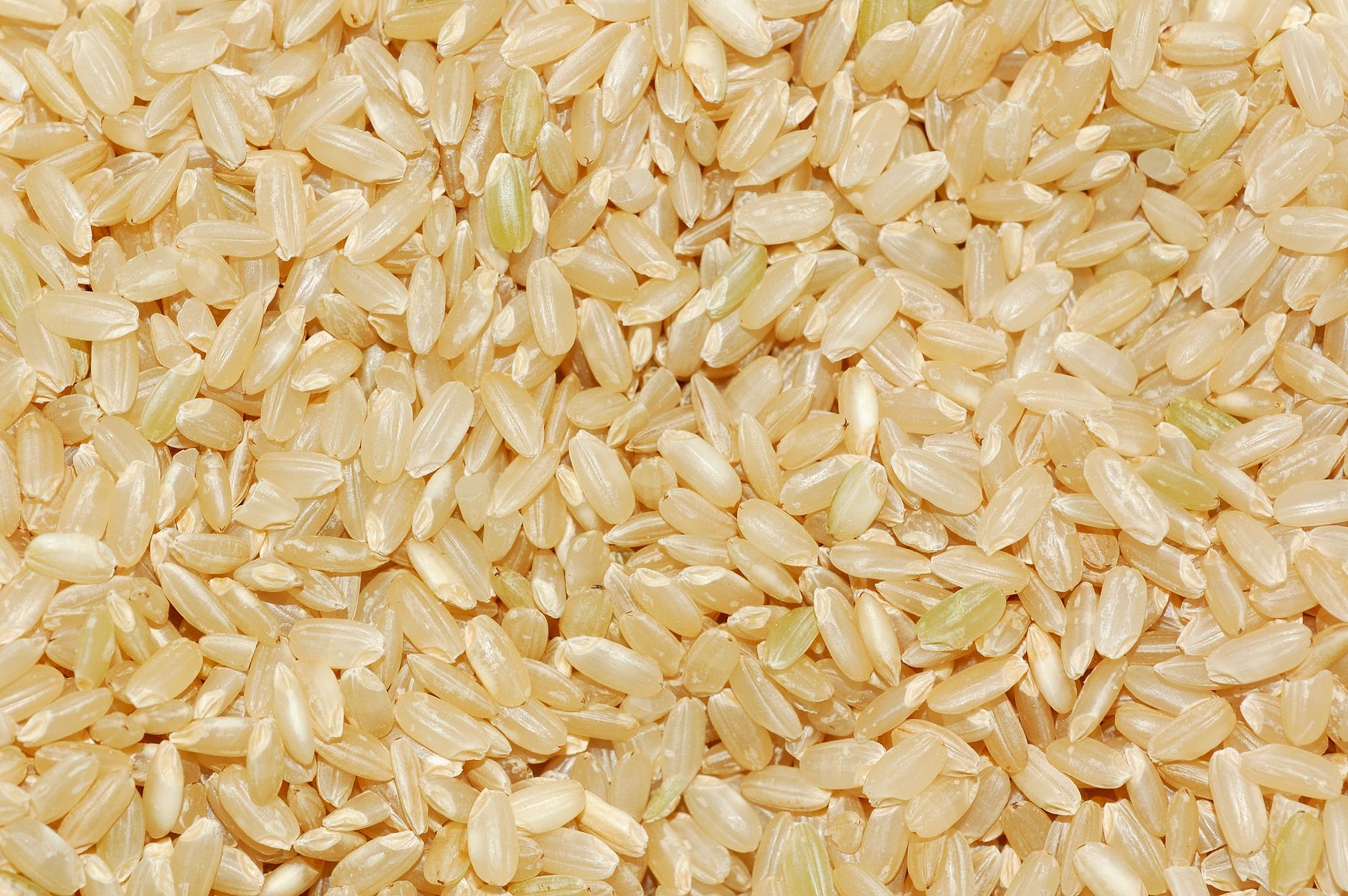
Brown rice, with its nutty flavor and chewy texture, is a popular whole grain choice for health-conscious individuals. However, proper storage is crucial to maximizing its shelf life and maintaining its quality. Knowing how long brown rice lasts, along with effective storage tips, ensures that you can make the most of this versatile ingredient.
In this article, we will explore the shelf life of brown rice in various forms—uncooked, cooked, and in different storage conditions. Additionally, we will provide guidance on how to store it properly and tips for recognizing signs of spoilage.
How Long Does Brown Rice Last?
Brown rice can last for approximately 6 months when stored correctly in a pantry and up to a year if kept in the refrigerator or freezer. However, its shelf life can differ based on the conditions under which it is stored and whether it is uncooked or cooked.
Understanding the Shelf Life of Brown Rice
Uncooked Brown Rice
Uncooked brown rice typically has a longer shelf life due to its low moisture content when stored correctly. Here are some key points:
- Pantry: When stored in an airtight container in a cool, dark pantry, uncooked brown rice can last for about 6 months.
- Refrigerator: To extend its shelf life, uncooked brown rice can be kept in the refrigerator, where it may last up to 1 year.
- Freezer: For the longest storage life, uncooked brown rice can be frozen for up to 2 years. Ensure it is stored in an airtight container or freezer bag to prevent freezer burn.
Cooked Brown Rice
Cooked brown rice has a much shorter shelf life due to increased moisture content. Here’s how long it typically lasts:
- Room Temperature: Cooked brown rice should not be kept at room temperature for more than 2 hours, as bacteria can proliferate.
- Refrigerator: When refrigerated in an airtight container, cooked brown rice can last for about 4 to 6 days.
- Freezer: If stored properly in the freezer, cooked brown rice can last for up to 6 months. Portioning it into small containers can make reheating easier.
Factors Affecting the Shelf Life of Brown Rice
While storage conditions greatly influence the longevity of brown rice, several other factors can also affect how long it lasts:
- Quality of Rice: The fresher the brown rice when purchased, the longer it will last. Always check the “best by” date on the packaging.
- Storage Conditions: Brown rice should be stored in a cool, dry place away from light, heat, and moisture. Warm or humid environments can lead to spoilage.
- Exposure to Air: Oxygen can degrade the quality of brown rice over time. Keep it sealed in airtight containers to minimize exposure.
- Pests: Keep an eye out for insects or bugs when storing rice. Properly sealed containers can help prevent infestations.
Storage Tips for Brown Rice
To effectively store both uncooked and cooked brown rice, consider the following tips:
Uncooked Brown Rice Storage Tips
- Choose the Right Container: Use airtight containers made from glass, plastic, or metal to keep out moisture and air.
- Store in a Cool Place: Keep containers in a pantry or cupboard away from sunlight and heat sources.
- Label and Date: Always label containers with the purchase date so that you can track how long you have stored it.
- Consider Vacuum-Sealing: For long-term storage, consider vacuum-sealing uncooked brown rice to extend its shelf life even further.
Cooked Brown Rice Storage Tips
- Cool Before Refrigerating: Let cooked brown rice cool to room temperature before transferring it to an airtight container.
- Portion It Out: To make reheating easy, consider portioning cooked rice into individual servings before freezing.
- Label and Date: Just like uncooked rice, label containers with the date they were cooked to organize your storage effectively.
Recognizing Signs of Spoilage in Brown Rice
Even with proper storage, brown rice can spoil. Here are some signs to look for:
Uncooked Brown Rice
- Odor: Spoiled brown rice may emit a rancid or off smell, which indicates it has gone bad.
- Appearance: Look for signs of mold or insect infestations. If you spot any, it’s best to discard the rice.
- Texture: If the rice feels excessively oily or greasy, it may be a sign of spoilage.
Cooked Brown Rice
- Smell: A sour or off odor indicates that the cooked rice is no longer safe to eat.
- Texture: If the cooked rice has become slimy or sticky, it is a sign that it is spoiled.
- Mold: Any visible mold or discoloration is a clear sign to throw the rice out.
Cooking with Brown Rice: Tips and Tricks
Brown rice is a versatile ingredient that can enhance the nutritional profile of many dishes. Here are some quick tips for cooking with brown rice:
Cooking Brown Rice
- Rinse the Rice: Rinse uncooked brown rice under cold water to remove debris and excess starch. This helps improve texture.
- Use a Ratio of Water: A common cooking ratio for brown rice is 2 cups of water for every 1 cup of rice. Adjust based on your cooking method.
- Cooking Method: Brown rice can be prepared on the stovetop, in a rice cooker, or in an Instant Pot. Each method yields great results.
- Seasoning: Add spices, herbs, or broth to the cooking water for added flavor.
Recipe Ideas Using Brown Rice
Incorporating brown rice into your meals can boost fiber and nutrient intake. Here are a few versatile recipe ideas where brown rice shines:
- Brown Rice Salad: Combine cooked brown rice with chopped vegetables, beans, and a tangy dressing for a refreshing salad.
- Stir-Fry: Use brown rice as a base for stir-fried vegetables and protein sources like tofu or chicken.
- Stuffed Peppers: Mix cooked brown rice with ground meat and spices to create a delicious stuffing for bell peppers.
Conclusion
In summary, knowing how long brown rice lasts and understanding how to store it properly is essential for maximizing its shelf life. Uncooked brown rice can last from 6 months to 2 years depending on storage conditions, while cooked brown rice should be consumed within a week when refrigerated. By observing signs of spoilage and following storage tips, you can prevent waste and enjoy the many benefits of this nutritious whole grain.
For more helpful information, check out our guides on do chia seeds go bad and how long cooked chicken lasts for additional food storage tips and insights.