
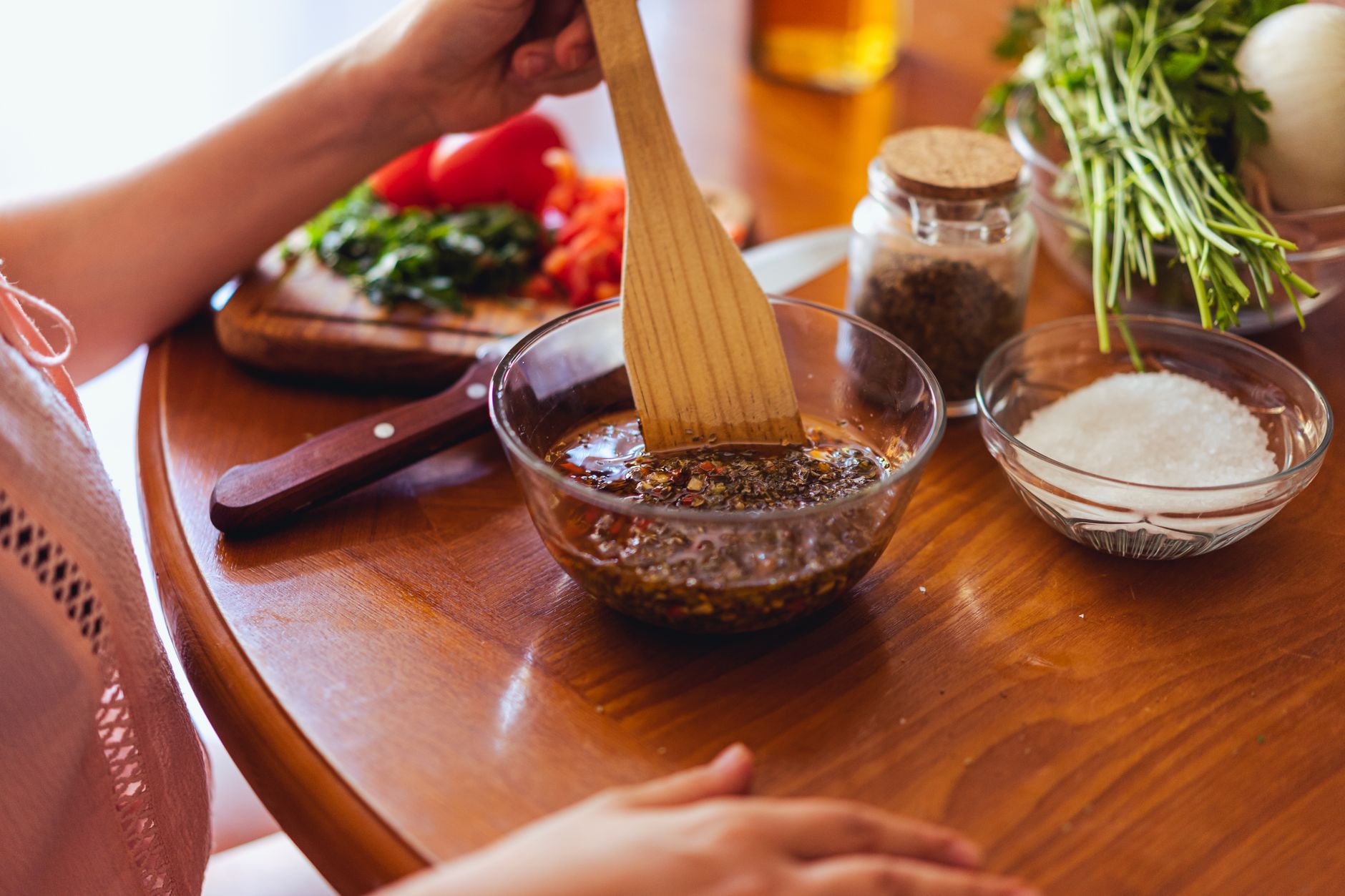
Chimichurri is a vibrant, herb-based sauce originating from Argentina, known for its bold flavors and versatility in the kitchen. Spelled C-H-I-M-I-C-H-U-R-R-I, this condiment is typically made with parsley, garlic, vinegar, olive oil, and spices, offering a fresh, zesty accompaniment to grilled meats and vegetables.
The unique blend of herbs and spices gives chimichurri its distinctive taste, making it popular in various dishes and cultural cuisines. This article will dive into the spelling of chimichurri, explore its culinary uses, and provide you with recipes and tips to make your own right at home.
How Do You Spell Chimichurri?
The correct spelling of chimichurri is C-H-I-M-I-C-H-U-R-R-I. This word captures the essence of a delectable sauce that has delighted palates worldwide with its tangy and herbaceous flavor profile.
Origin and Culinary Importance of Chimichurri
Chimichurri hails from Argentina, where it has become a staple condiment, particularly for grilled meats such as steak. The sauce reflects the rich agricultural heritage of the region, utilizing fresh herbs and local ingredients.
The origins of chimichurri are somewhat murky, with various theories suggesting its name may derive from a Basque word or even a mispronunciation by English-speaking soldiers. Regardless of its roots, chimichurri has evolved into an essential element of Argentine barbecue or “asado,” elevating meals with its fresh and zesty flair.
Essential Ingredients in Chimichurri
Creating chimichurri involves simple ingredients that harmonize beautifully. Below is a list of the primary components typically found in traditional chimichurri:
- Fresh parsley (the main herb)
- Garlic (for depth of flavor)
- Red wine vinegar (for acidity)
- Olive oil (for richness)
- Red pepper flakes (for heat)
- Salt and pepper (to taste)
Types of Chimichurri
While the green variety is the most well-known, chimichurri can also be made using other herbs or ingredients, leading to variations that appeal to different palates.
Green Chimichurri
The classic version features parsley as its primary herb, making it bright and fresh. This variant typically includes garlic, olive oil, red wine vinegar, and spices. It’s perfect for drizzling over grilled meats, roasted vegetables, or even as a marinade.
Red Chimichurri
Red chimichurri includes additional ingredients such as sun-dried tomatoes or roasted red peppers, giving it a richer flavor and color. The incorporation of smoked paprika can also add a distinct smokiness, ideal for enhancing grilled dishes.
Cilantro Chimichurri
For those who prefer cilantro’s unique flavor, this variation substitutes some or all of the parsley with fresh cilantro. This version pairs beautifully with seafood and is favorable in some Latin cuisines.
How to Make Chimichurri
Making chimichurri at home is straightforward and requires no cooking. Below is a traditional recipe for green chimichurri, perfect for beginners:
Recipe: Classic Green Chimichurri
- 1 cup fresh parsley, finely chopped
- 4 garlic cloves, minced
- 1/2 cup olive oil
- 1/4 cup red wine vinegar
- 1/2 teaspoon red pepper flakes
- Salt and black pepper, to taste
Equipment Needed
- Cutting board
- Chef’s knife
- Bowl for mixing
- Whisk or spoon for combining
Preparation Steps
- Finely chop the fresh parsley and place it into a medium-sized bowl.
- Add the minced garlic to the bowl, combining it with the parsley.
- Pour in the olive oil and red wine vinegar. Mix well until all ingredients are combined.
- Add the red pepper flakes, salt, and pepper to taste. Adjust seasoning as desired.
- Let the chimichurri sit for at least 30 minutes to allow the flavors to meld. Serve at room temperature.
Tips for Making the Best Chimichurri
To elevate your chimichurri, consider the following tips:
- Use fresh herbs for the best flavor.
- Adjust the acidity by balancing olive oil and vinegar to your liking.
- Add lemon juice for a brighter flavor.
- Let the chimichurri rest for a longer period (up to 2 hours) for an even more pronounced flavor.
Common Mistakes When Making Chimichurri
Even though chimichurri is simple to make, there are several common pitfalls to avoid:
- Over-processing the herbs, which can lead to a mushy texture.
- Not allowing the flavors to meld by serving immediately after preparation.
- Using stale herbs or low-quality olive oil, which can result in a less vibrant sauce.
Using Chimichurri in Your Cooking
Chimichurri is incredibly versatile and can be used in various ways. Below are some suggestions for incorporating it into your meals:
As a Marinade
Chimichurri makes an excellent marinade for meats, particularly steak, chicken, and pork. Marinating for at least one hour will boost flavors significantly, making your protein tender and juicy.
As a Condiment
Traditionally served alongside grilled meats, chimichurri can enhance the flavor of roasted vegetables, grilled fish, or even avocado toast for a savory kick.
In Dressings
Mix chimichurri with yogurt or sour cream for a creamy dressing that can be drizzled over salads or grain bowls.
Storage and Make-Ahead Tips
If you have extra chimichurri, it can be stored in an airtight container in the refrigerator for up to a week. For longer storage, consider freezing it in ice cube trays and transferring the frozen cubes to a resealable bag for up to three months. This allows you to easily incorporate chimichurri into dishes as needed.
Chimichurri Variations and Substitutions
Feel free to experiment with different ingredients to suit your palate. Here are some ideas:
- Replace parsley with fresh basil or mint for a different flavor profile.
- Add different spices, such as cumin or oregano, to create a unique taste.
- For a milder option, remove the red pepper flakes.
Conclusion
The beauty of chimichurri lies in its refreshing taste and adaptability, allowing you to elevate grilled meats, vibrant salads, or even simple sandwiches. Remember the correct spelling—C-H-I-M-I-C-H-U-R-R-I—as you explore this classic Argentine sauce that brings life to a variety of dishes.
For those interested in trying out different variations, check out the recipes for Cilantro Chimichurri, Authentic Chimichurri Recipe, and Red Chimichurri Recipe to find your perfect match!