
The first time I made fresh chimichurri, my kitchen filled with the sharp, herbaceous aroma of cilantro and garlic, and I knew I’d found something special. This cilantro chimichurri recipe is the kind of sauce that transforms ordinary grilled chicken, fish, or vegetables into restaurant-quality meals with minimal effort.
What makes this recipe stand out is how versatile and quick it is. You’ll have vibrant, zesty chimichurri ready in under 10 minutes, and it keeps beautifully in the fridge for over a week.
Why You’ll Love This Recipe
This cilantro-based chimichurri delivers bright, fresh flavors with incredible depth. It’s a game-changer for anyone who wants to elevate weeknight dinners without spending hours in the kitchen.
- Ready in less than 10 minutes with no cooking required
- Works with nearly any protein or vegetable you can grill
- Made entirely from fresh, whole ingredients
- Stores for up to two weeks in the refrigerator
- Naturally gluten-free and vegan
My Experience Making This Recipe
I discovered this recipe during a summer when I was experimenting with different herbs beyond the traditional parsley-based versions. The cilantro version sang with a cleaner, more pronounced herbal note that my family loved immediately.
The first batch I made disappeared in hours. My kids, who normally ignore most condiments, were dipping vegetables into it and asking for more.
What surprised me most was how this sauce managed to be both bold and fresh at the same time. One spoonful adds brightness to heavy proteins without overpowering them.
Recipe Overview
- Recipe Name: Cilantro Chimichurri
- Servings: Makes about 1 cup (12 servings)
- Prep Time: 10 minutes
- Cook Time: 0 minutes
- Total Time: 10 minutes
- Course: Sauce
- Cuisine: Argentine
- Calories per Serving: 45
Equipment You Will Need
- Measuring cups and spoons
- Food processor or blender
- Cutting board and sharp knife
- Rubber spatula for scraping
- Glass or plastic storage container
- Small bowl for initial ingredient prep (optional)
Ingredients for Cilantro Chimichurri
- Fresh cilantro: 2 cups, lightly packed
- Fresh parsley: 1 cup, lightly packed
- Garlic cloves: 4 to 5, peeled
- Red wine vinegar: 1/2 cup
- Extra virgin olive oil: 1/2 cup
- Red pepper flakes: 1/2 teaspoon
- Ground cumin: 1/4 teaspoon
- Kosher salt: 1 teaspoon
- Black pepper: 1/2 teaspoon
Ingredient Notes and Substitutions
- Cilantro: Provides the signature fresh, slightly citrusy bite that defines this version of chimichurri. If you dislike cilantro, replace it with an equal amount of fresh parsley for a milder herb profile.
- Red wine vinegar: Adds tangy acidity that balances the rich oil and brings out the herb flavors. Swap with white wine vinegar or apple cider vinegar in a 1:1 ratio, though the flavor will shift slightly more toward sweetness.
- Extra virgin olive oil: Creates the creamy body of the sauce and carries the flavors beautifully. Use regular olive oil if cost is a concern, but expect less fruity depth.
- Garlic: Delivers pungent, savory notes that anchor the fresh herbs. Reduce to 3 cloves if you prefer milder garlic, or add 6 if you love bold garlic flavor.
- Red pepper flakes: Brings a subtle heat and warmth to the sauce. Use less if spice sensitivity is an issue, or omit entirely for a completely mild version.
How to Make Cilantro Chimichurri
Step 1: Measure and Prep the Herbs
Lightly pack the cilantro and parsley into your measuring cups, then roughly chop them into 2 to 3 inch pieces. This rough chopping helps the food processor work more efficiently and prevents the herbs from becoming overly packed, which would make them harder to blend evenly.
Step 2: Peel and Halve the Garlic
Peel the garlic cloves and cut each one in half lengthwise. Smaller pieces process faster and blend more thoroughly into the sauce.
Step 3: Add Herbs and Garlic to the Processor
Place the chopped cilantro, parsley, and halved garlic cloves into your food processor or blender. Pulse a few times to break everything down slightly before you add the liquids.
Step 4: Pour in the Vinegar
Add the red wine vinegar to the processor and pulse for about 10 seconds. The vinegar helps release the herb flavors and prevents the mixture from becoming too pasty.
Step 5: Add the Olive Oil
Slowly drizzle in the olive oil while pulsing the processor. Do not blend continuously here, as overworking the oil can create an unpleasant texture; pulsing gives you a chunkier, more textured sauce that feels fresher and more authentic.
Step 6: Mix in the Dry Spices
Add the red pepper flakes, cumin, salt, and black pepper to the processor. Pulse a few more times until the spices distribute evenly throughout the sauce, about 8 to 10 pulses total.
Step 7: Taste and Adjust Seasoning
Transfer a small spoonful to a clean taste spoon and evaluate the flavor. Add more salt, vinegar, or pepper as needed, then pulse once more to combine any new additions.
Step 8: Transfer to Storage Container
Use a rubber spatula to scrape the chimichurri into a glass or plastic container. If you prefer a smoother sauce, process for a few more seconds, but most prefer the rustic, chunky texture that defines authentic chimichurri.
Pro Tip: Let your cilantro chimichurri sit in the refrigerator for at least 30 minutes before serving; the flavors meld and deepen considerably during this rest period.
Tips for the Best Cilantro Chimichurri
- Use the freshest cilantro and parsley you can find, as older herbs lose their brightness and can turn bitter during blending.
- Do not over-process the sauce; aim for a chunky, textured consistency rather than a smooth puree, which tastes more commercial and less fresh.
- Taste as you go and add salt gradually, since you can always add more but cannot remove salt once it is mixed in.
- Store in an airtight glass container rather than plastic, as plastic can absorb garlic odors and flavors over time.
- Make a batch early in the week and use it on different proteins throughout; it transforms each meal without repeating flavors.
- For a thinner, more pourable sauce, add another 2 to 3 tablespoons of olive oil after blending.
Common Mistakes to Avoid
- Over-blending the herbs until they become a smooth paste destroys the fresh, rustic texture and makes the sauce taste dull and muddy.
- Skipping the rest period in the fridge causes the flavors to feel separated and flat; patience here makes a real difference.
- Using pre-minced garlic from a jar instead of fresh garlic creates a chemical, stale taste that overpowers the bright herbs.
- Adding too much vinegar upfront makes the sauce aggressively sour; start with the recommended amount and adjust by taste.
- Pressing down on the herbs with the processor blade rather than pulsing creates heat that can cook and bruise the delicate leaves, turning them dark and bitter.
Serving Suggestions
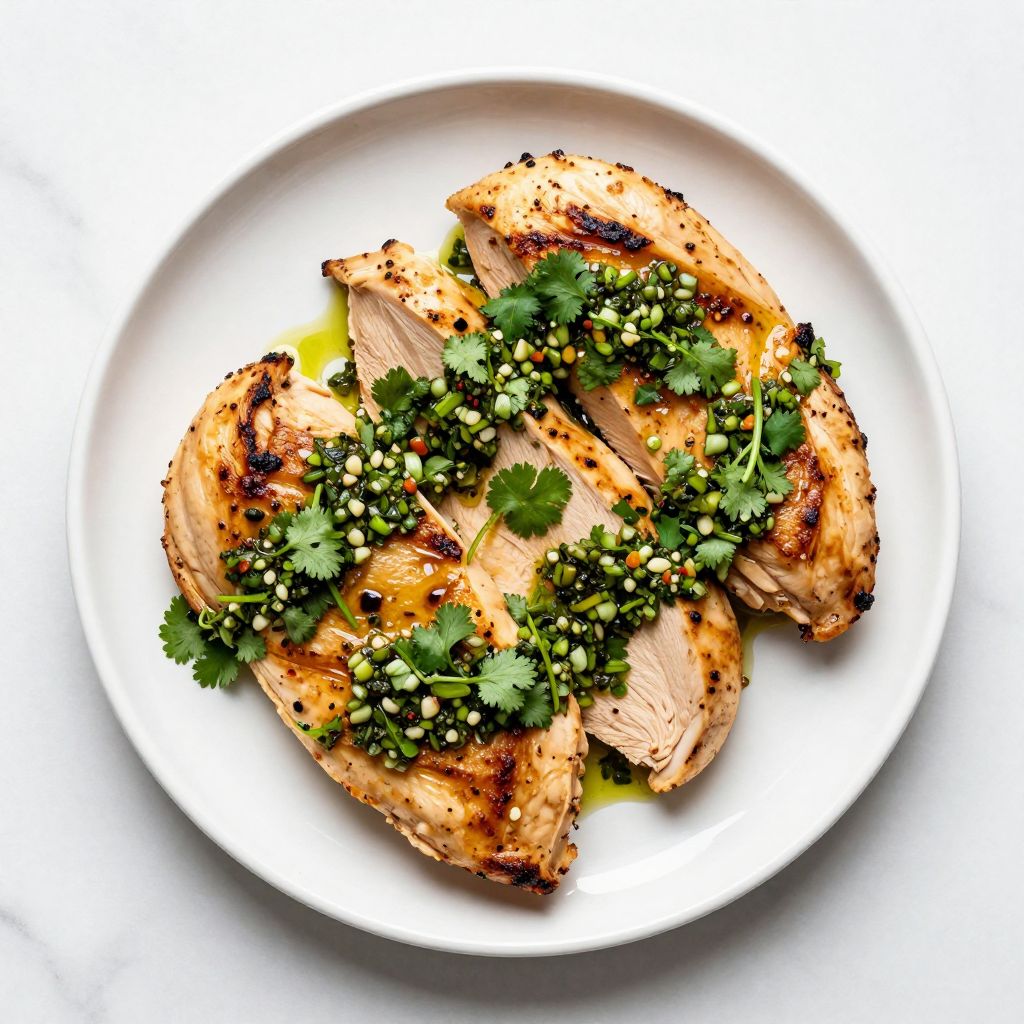
This cilantro chimichurri pairs beautifully with nearly any grilled or roasted protein and brightens simple vegetable sides. Drizzle it generously, use it as a dipping sauce, or stir it into grain bowls for instant flavor.
- Grilled chicken breasts or thighs with a chimichurri drizzle
- Pan-seared or grilled fish fillets, especially white fish or salmon
- Roasted vegetables like zucchini, bell peppers, and eggplant
- Grilled steak or beef skewers for an authentic Argentine experience
- Roasted potatoes, cauliflower, or sweet potato wedges
Variations to Try
- Spicy Version: Increase red pepper flakes to 1 teaspoon or add one diced fresh jalapeno for a kick that builds as you eat.
- Extra Garlic Version: Add 6 to 7 garlic cloves for those who love bold, pungent garlic flavors; the sauce becomes more assertive and savory.
- Cilantro and Mint Blend: Replace 1/2 cup of cilantro with fresh mint for a cooler, more aromatic profile that works beautifully with lamb.
- Oregano Addition: Stir in 1 teaspoon of dried oregano after blending for an earthier, more complex herb background.
- Roasted Garlic Version: Roast the garlic cloves until soft before blending for a sweeter, less sharp garlic flavor that mellows the acidity.
Dietary Adaptations
- Gluten-Free: This recipe is naturally gluten-free as written; confirm your vinegar source if you have severe gluten sensitivity.
- Dairy-Free: Already dairy-free; no substitutions needed.
- Vegan and Vegetarian: Completely vegan and vegetarian as written; use it on plant-based proteins or roasted vegetables.
- Low-Carb and Keto: Naturally low-carb at less than 2 grams of carbs per serving; fits perfectly into keto and low-carb meal plans.
Storage and Reheating
Refrigerator
Transfer your chimichurri to an airtight glass container and refrigerate for up to 14 days. The flavor actually improves over the first few days as the ingredients meld together.
- Keep the container covered to prevent the sauce from absorbing refrigerator odors
- The olive oil may solidify slightly in the cold; this is normal and reverses at room temperature
Freezer
Cilantro chimichurri freezes well for up to 3 months when stored in an airtight container or in ice cube trays for portioning. The texture softens slightly after thawing, but the flavor remains vibrant.
- Freeze in ice cube trays, then pop cubes into freezer bags for convenient portions
- Thaw overnight in the refrigerator before using
Reheating
This sauce is best served cold or at room temperature and does not require reheating. If you prefer it warmed, gently stir it into hot dishes just before serving to preserve the fresh herb flavor.
- Never heat chimichurri on the stove, as high heat destroys the delicate cilantro flavor
- Stir it into warm pasta, rice, or grains off the heat for best results
Nutrition Information
| Nutrient | Amount |
|---|---|
| Calories | 45 |
| Total Fat | 4.5g |
| Saturated Fat | 0.6g |
| Carbohydrates | 1.5g |
| Fiber | 0.2g |
| Sugar | 0.1g |
| Protein | 0.3g |
| Sodium | 180mg |
| Cholesterol | 0mg |
These values are approximate and calculated for one serving out of twelve servings per batch. Nutritional content may vary based on specific ingredient brands and exact measurements.
Frequently Asked Questions
Can I use only cilantro without parsley?
Yes, you can use 3 cups of cilantro and omit the parsley entirely, though the flavor will be more intense and herbaceous. The parsley rounds out the sharp cilantro notes, so using only cilantro creates a bolder sauce.
How do I prevent the cilantro from turning dark?
Pulse the processor instead of blending continuously, and do not over-process the herbs. Heat from friction darkens delicate herbs, so quick, short pulses keep them bright green.
Can I make this ahead of time?
Absolutely, and it improves when made 1 to 2 days ahead. The flavors have time to meld and become more cohesive, so prepare it over the weekend for use throughout the week.
What if my chimichurri separates?
Separation is normal and happens because the herbs and oil naturally divide; simply stir before serving. If you prefer a more emulsified texture, add one egg yolk and blend again, though this changes the vegan status.
Can I use dried herbs instead of fresh?
Dried herbs will not work well here because this recipe depends on the brightness of fresh herbs. Dried cilantro and parsley taste dusty and bitter, so fresh herbs are non-negotiable for authentic flavor.
Final Thoughts
Making fresh cilantro chimichurri at home takes just 10 minutes and transforms your cooking in ways store-bought versions never can. Once you taste the difference between homemade and bottled, you will never go back.
This recipe sits at the intersection of simple and impressive, which is exactly what weeknight cooking should feel like. Make a batch this week and discover how one humble sauce elevates everything from grilled chicken to roasted vegetables.
Explore More Chimichurri Recipes
If you enjoyed this cilantro version, explore other exciting chimichurri styles to expand your sauce repertoire. Visit red chimichurri recipe for a bolder, tomato-based variation, or try the authentic chimichurri recipe for a traditional parsley-forward approach that showcases classic Argentine flavors.
Cilantro Chimichurri
Ingredients
Equipment
Method
- Lightly pack the cilantro and parsley into measuring cups and roughly chop into 2 to 3 inch pieces.
- Peel and halve the garlic cloves lengthwise.
- Place the chopped cilantro, parsley, and garlic halves into a food processor or blender and pulse several times to break down.
- Add the red wine vinegar and pulse for about 10 seconds.
- With the processor running on pulse, slowly drizzle in the olive oil until incorporated.
- Add red pepper flakes, ground cumin, kosher salt, and black pepper, then pulse 8 to 10 times until evenly distributed.
- Taste and adjust seasoning by adding more salt, vinegar, or pepper as desired, then pulse once more.
- Scrape the chimichurri into a glass or plastic container, cover, and refrigerate for at least 30 minutes before serving.