
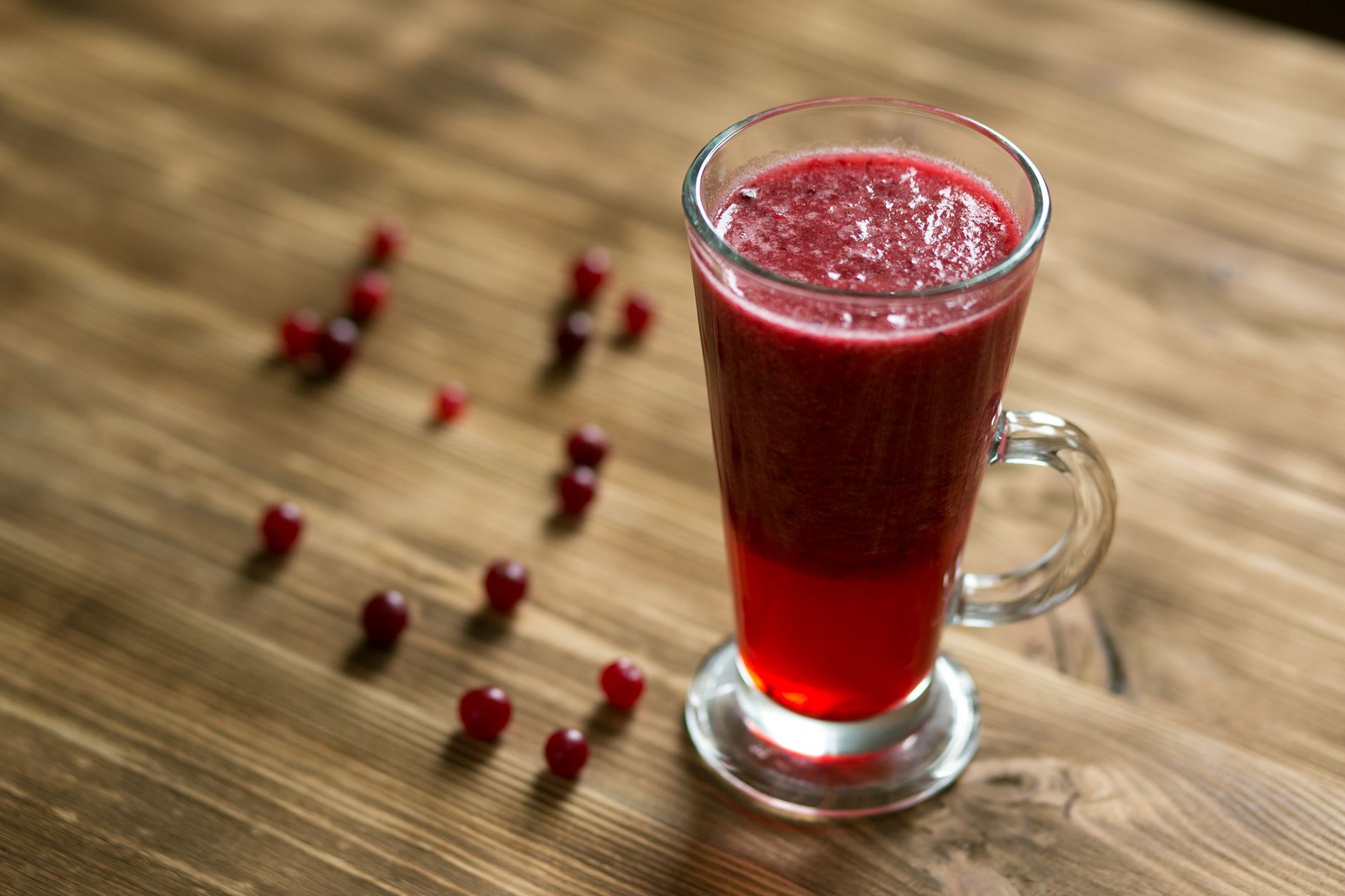
Cranberry juice, often praised for its flavor and vibrant color, is a popular beverage consumed for its various health benefits. Among the claims about cranberry juice is the idea that it can positively impact liver health. This article explores the nutritional profile of cranberry juice, its potential effects on the liver, and considerations for incorporating it into your diet.
Understanding whether cranberry juice is good for your liver requires a closer look at its components, health implications, and how it fits into a balanced lifestyle. Let’s dive into the specifics.
Is Cranberry Juice Good for Your Liver?
Cranberry juice may offer some benefits to liver health due to its high antioxidant content and anti-inflammatory properties. These factors can support overall liver function when consumed as part of a balanced diet. However, moderation and proper preparation are crucial.
Nutritional Profile of Cranberry Juice
To understand the benefits of cranberry juice, it is essential to examine its nutritional elements. A standard serving of unsweetened cranberry juice (about 240 ml) typically contains:
- Calories: 116
- Carbohydrates: 31 grams
- Sugars: 24 grams (in unsweetened versions, this can be significantly less)
- Dietary Fiber: 0.5 grams
- Vitamin C: 43 mg (approximately 48% of the Daily Value)
- Vitamin E: 1.2 mg
- Potassium: 200 mg
- Antioxidants: High levels of proanthocyanidins and flavonoids
Health Benefits of Cranberry Juice
Cranberry juice is celebrated not just for its unique taste but also for a variety of health benefits. Some key areas of interest include:
Antioxidant Properties
Cranberry juice is rich in antioxidants, particularly proanthocyanidins, which help to combat oxidative stress. This oxidative stress can lead to chronic conditions and liver damage.
Anti-Inflammatory Effects
The anti-inflammatory properties of cranberry juice can be beneficial for overall liver health. Chronic inflammation is linked to liver diseases, and reducing inflammation may support liver function.
Potential to Prevent Urinary Tract Infections (UTIs)
An often-cited benefit of cranberry juice is its ability to help prevent UTIs. While this primarily relates to urinary health, the liver can benefit indirectly, as proper elimination of toxins contributes to better overall organ health.
How Cranberry Juice Affects Liver Health
The liver is a crucial organ involved in detoxification, metabolism, and regulation. While more research is necessary to draw definitive conclusions on cranberry juice’s role in liver health, some studies suggest potential positive effects:
Detoxification Support
Cranberry juice may aid the liver in detoxifying harmful substances due to its antioxidant content. By reducing the burden of oxidative stress, cranberry juice can help maintain healthy liver function.
Impact on Fatty Liver Disease
Some research indicates that cranberry juice may help reduce fat accumulation in the liver. This is significant in addressing non-alcoholic fatty liver disease (NAFLD), a growing concern associated with obesity and metabolic syndrome.
Overall Liver Function
Regular consumption of cranberry juice, within moderation, may support overall liver function, although it is not a substitute for medical treatment or lifestyle changes crucial for maintaining liver health.
Incorporating Cranberry Juice into Your Diet
If you’re interested in reaping the benefits of cranberry juice, consider these practical tips for including it in your daily routine:
Choosing the Right Cranberry Juice
- Opt for Unsweetened: Look for 100% pure cranberry juice without added sugars or fillers. Sweetened versions can contribute extra calories and sugars, potentially negating health benefits.
- Check the Ingredients: Ensure the juice contains real cranberry juice. Some beverages labeled as “cranberry-flavored” may not provide the health benefits described.
- Consider Juice Concentrate: Concentrates may retain nutrients while being more convenient. However, be aware of the dilution factor when using concentrates in recipes.
Serving Suggestions
Here are some enjoyable ways to incorporate cranberry juice into your meals and snacks:
- Cocktails and Mocktails: Use cranberry juice as a base for various drinks, combining it with soda water, lime juice, or other juices.
- Smoothies: Blend cranberry juice with fruits, yogurt, and leafy greens for a refreshing and nutritious smoothie.
- Salad Dressings: Incorporate cranberry juice into homemade salad dressings for an extra layer of flavor.
- Cooking and Marinades: Experiment with cranberry juice as a marinade for meats or as an ingredient in sauces and glazes.
Moderation is Key
While cranberry juice can be part of a healthy diet, it is important to consume it in moderation. Overconsumption can lead to excessive sugar intake and potential gastrointestinal discomfort. A reasonable serving size is around 240 ml per day.
Common Myths About Cranberry Juice
While the benefits of cranberry juice are widely discussed, a few myths might mislead consumers:
Cranberry Juice Can Cure Liver Disease
While cranberry juice may provide some benefits, it is not a cure for liver disease. Liver health requires a comprehensive approach that includes a balanced diet, regular physical activity, and avoiding alcohol and toxins.
All Cranberry Juices are Equal
Not all cranberry juices are created equal. It’s essential to read labels and choose juices that are high in real cranberry content and low in added sugars.
Drinking More Cranberry Juice Means Better Liver Health
Excessive intake does not equate to better health benefits. Overconsumption can lead to negative effects, underscoring the importance of moderation.
Complementary Foods for Liver Health
Cranberry juice can be part of a broader strategy for supporting liver health. Consider these complementary foods:
- Leafy Greens: Spinach and kale provide chlorophyll, aiding detoxification processes.
- Garlic: Contains sulfur compounds that activate liver enzymes responsible for flushing out toxins.
- Avocados: Rich in healthy fats, avocados may help the liver produce beneficial enzymes.
- Turmeric: Known for its anti-inflammatory properties, turmeric can help in the management of liver conditions.
- Beets: These root vegetables are full of antioxidants and may aid in liver detoxification.
Consultation with Health Professionals
Before making significant changes to your diet or relying on cranberry juice for health benefits, consult a healthcare professional, especially if you have preexisting liver conditions or other health concerns. Personalized advice can support effective health strategies tailored to your needs.
Conclusion
Cranberry juice can be a beneficial addition to a balanced diet, especially when considering its antioxidant properties and potential support for liver health. When consumed in moderation and chosen wisely, it may contribute positively to your overall wellness.
Explore more about the nutritional benefits of different foods by checking out our articles on molasses and pomegranate juice to enhance your knowledge and cooking endeavors.