
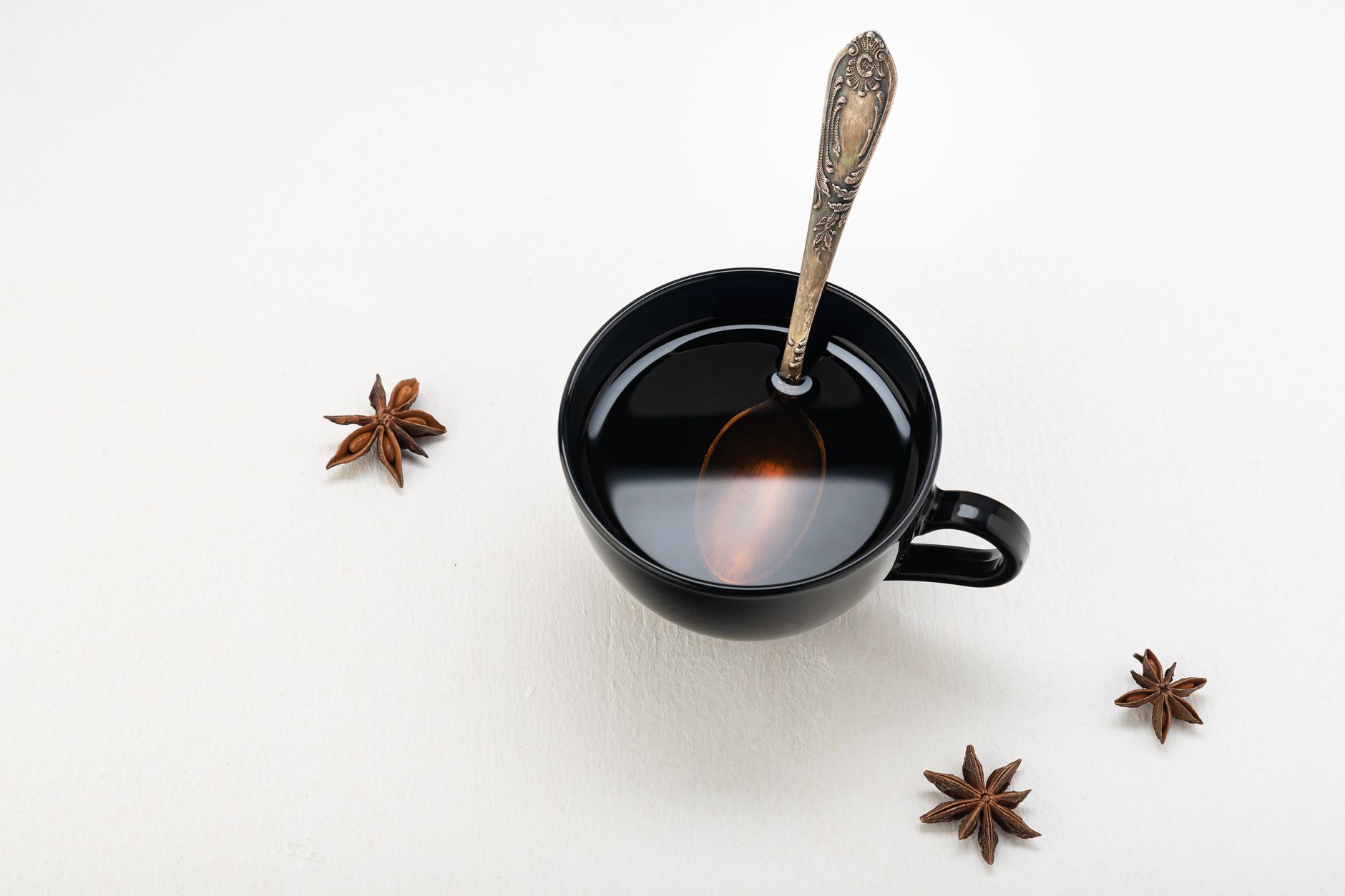
Anise tea is a fragrant and flavorful herbal infusion made from the seeds of the anise plant (Pimpinella anisum). It offers a unique sweet and licorice-like flavor that many find appealing. Apart from its delightful taste, anise tea boasts several potential health benefits, making it a great addition to your herbal tea collection.
This article will explore what anise tea is good for, including its nutritional profile, potential health benefits, and how to prepare it. As we delve into the world of anise tea, prepare to discover its delightful flavors and versatile uses.
What Is Anise Tea Good For?
Anise tea is known for its numerous benefits, including aiding digestion, soothing respiratory issues, and promoting relaxation. It is rich in antioxidants and contains compounds that may have antimicrobial properties. Additionally, its pleasant flavor makes it a beloved choice for various culinary uses.
Nutritional Profile of Anise Tea
Anise tea is made by steeping the seeds of the anise plant, which are low in calories and rich in several vital nutrients. A typical serving of anise tea provides:
- Caloric Content: About 6 calories per cup.
- Antioxidants: Contains flavonoids and polyphenols that combat oxidative stress.
- Essential Oils: Rich in anethole, which contributes to its unique flavor and health properties.
- Vitamins and Minerals: Small amounts of calcium, iron, magnesium, potassium, and vitamins A and C.
Potential Health Benefits of Anise Tea
Anise tea has a long history of use in traditional medicine, and while scientific research on some benefits is ongoing, many users report positive effects. Here are some of the potential health benefits:
Aiding Digestion
Anise tea has been traditionally used to alleviate digestive issues such as bloating, gas, and indigestion. The compounds in anise can help relax the muscles of the gastrointestinal tract, promote digestion, and relieve discomfort.
Soothing Respiratory Issues
Inhaling the aromatic steam from anise tea can help alleviate congestion and improve breathing. The expectorant properties of anise may assist in relieving coughs and mucus buildup, making it a comforting drink during cold and flu seasons.
Anti-inflammatory Properties
Several studies suggest that constituents in anise may have anti-inflammatory effects. Drinking anise tea may help reduce inflammation in the body, potentially benefiting those with inflammatory conditions.
Antimicrobial Effects
Some research indicates that anise possesses antimicrobial properties, primarily due to the presence of anethole. This may help deter the growth of harmful bacteria and fungi, contributing to overall better health.
Promoting Relaxation
Anise tea can have mild sedative effects, helping to promote relaxation and calmness. This makes it an excellent beverage to drink in the evening or during stressful times to help unwind.
Hormonal Balance
Traditionally, anise has been used to support hormonal balance. Some studies suggest that compounds in anise tea may mimic estrogen, contributing to hormonal regulation in women, especially during menstrual cycles.
How to Prepare Anise Tea
Making anise tea is a straightforward process. Here’s how to prepare this aromatic drink:
Ingredients
- 1 to 2 teaspoons of anise seeds (whole or crushed)
- 1 cup of boiling water
- Optional: honey or sweetener to taste
- Optional: lemon or other herbal infusions for flavor
Essential Equipment
- Teapot or heat-proof container
- Tea strainer or fine mesh sieve
- Cup or mug for serving
Step-by-Step Instructions
- Boil water in a kettle or on the stove.
- Place the anise seeds in a teapot or a heat-proof container.
- Pour the boiling water over the seeds.
- Cover and steep for 5 to 10 minutes, depending on your desired strength.
- Strain the tea into a cup, discarding the seeds.
- Add honey, lemon, or any other flavorings if desired. Stir and enjoy!
Flavor and Variations of Anise Tea
Anise tea has a distinctive sweet and licorice-like flavor, which can be complemented by various ingredients. Here are some variations to consider:
- Spiced Anise Tea: Add cinnamon sticks, ginger slices, or cloves while steeping for additional warmth and spice.
- Minty Refresh: Include fresh mint leaves for a refreshing twist.
- Citrus Anise Tea: Add lemon or orange zest for a bright flavor boost.
- Herbal Fusion: Combine anise seeds with other herbs like chamomile, fennel, or licorice root for a more complex flavor profile.
Substitutions for Anise Tea
If you’re out of anise seeds or seeking different flavors, here are alternatives to consider:
- Fennel Seeds: Similar in flavor with a mild licorice note.
- Star Anise: Stronger flavor, so use less than anise seeds.
- Licorice Root: Sweet and herbal, providing a different but pleasant profile.
Common Mistakes and Troubleshooting
When making anise tea, keep these tips in mind to avoid common mistakes:
- Oversteeping: This can result in a bitter taste. Stick to the recommended steeping time of 5 to 10 minutes.
- Quality of Seeds: Use fresh anise seeds for best flavor. Old seeds may lack potency.
- Temperature of Water: Ensure water is boiling before steeping for maximum extraction of essential oils.
Storage and Reheating
To store prepared anise tea, follow these guidelines:
- Refrigeration: Store in an airtight container in the fridge for up to 2 days.
- Reheating: Gently reheat on the stove or in the microwave, but avoid boiling to preserve flavor.
Other Culinary Uses for Anise
Beyond tea, anise can be used in a variety of culinary applications:
- Baking: Incorporate anise into breads, cookies, and pastries for a unique flavor.
- Cooking: Use in savory dishes, such as soups and stews, to enhance flavors.
- Infused Liquors: Infuse spirits like vodka or gin with anise for delightful cocktails.
Conclusion
Anise tea offers a delightful blend of flavor and potential health benefits. Its ability to aid digestion, soothe respiratory issues, and promote relaxation makes it a fantastic herbal infusion to include in your daily routine. Whether enjoyed on its own or blended with other flavors, anise tea is versatile and appealing.
For those looking to explore more about beverages, check out our clove tea recipe or discover the benefits of dandelion tea.