
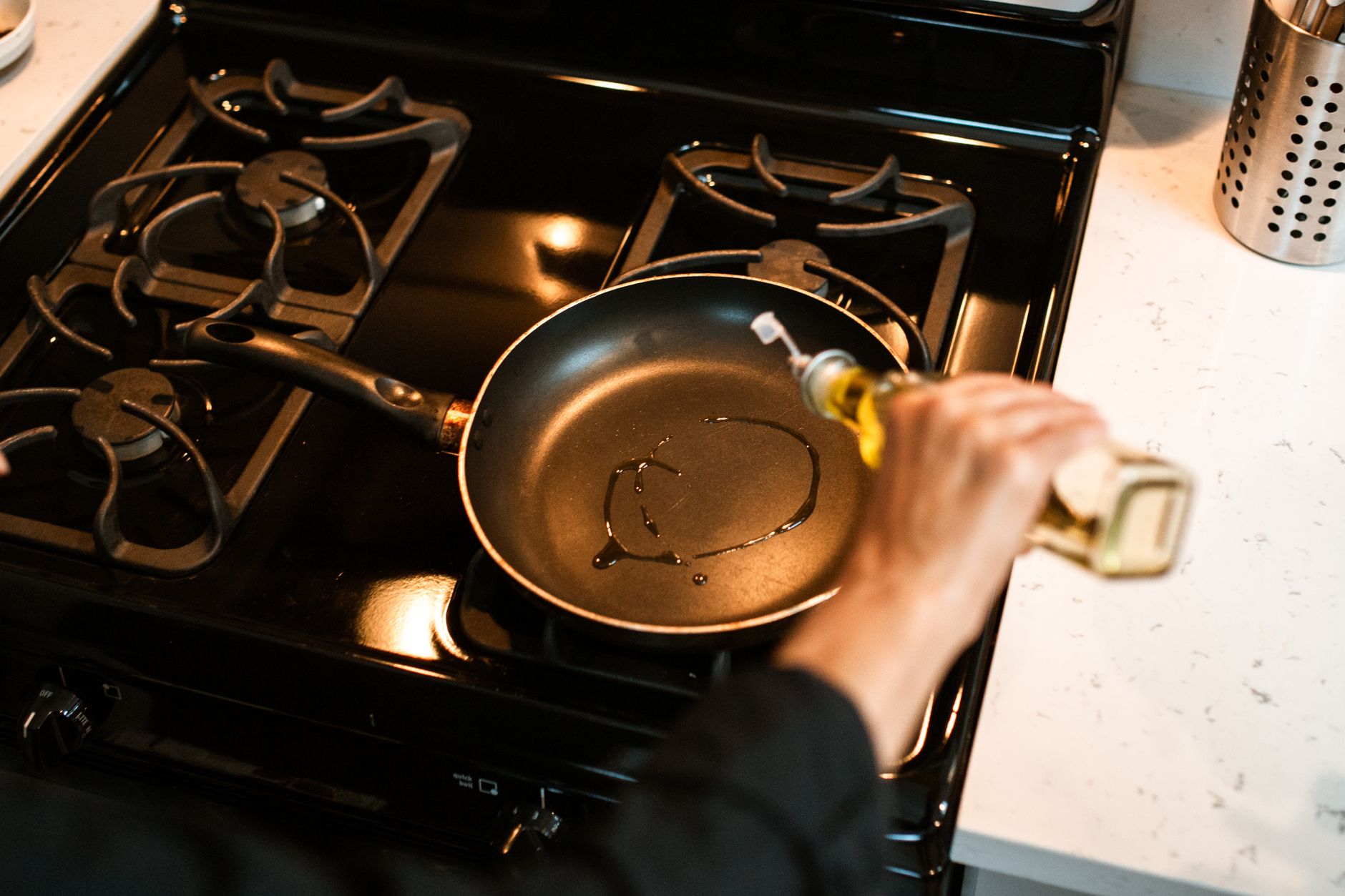
High oleic sunflower oil has gained popularity in recent years as a versatile cooking oil prized for its health benefits and culinary applications. Understanding what high oleic sunflower oil means can help you make informed choices in your cooking and meal planning.
This article delves into the origins, characteristics, and uses of high oleic sunflower oil, as well as offers insights on its nutritional profile and how it compares to other cooking oils.
What Does High Oleic Sunflower Oil Mean?
High oleic sunflower oil refers to sunflower oil that has a higher content of oleic acid, a monounsaturated fat. Typically, traditional sunflower oil contains a mix of saturated fats, polyunsaturated fats, and monounsaturated fats, with the latter being lower than 30%. In contrast, high oleic sunflower oil boasts oleic acid levels of 70% or more, enhancing its stability and making it suitable for high-temperature cooking.
This oil is predominantly extracted from sunflower seeds that have been bred specifically for this purpose, resulting in a product with an extended shelf life and various health advantages, including a heart-healthy fat profile.
Origins and History of High Oleic Sunflower Oil
Sunflower oil has been present in culinary practices long before the development of high oleic varieties. Native to North America, sunflowers were cultivated by Indigenous peoples for food, oil, and seeds, dating back to around 3000 BC. It wasn’t until the 19th century that sunflowers became commercially important in Europe, primarily for oil extraction.
The breeding of sunflower varieties started in the mid-20th century, focusing on increasing oil content and enhancing oil stability. The development of high oleic sunflower oil began in the 1970s, responding to the growing demand for healthier cooking oils. With increasing awareness of trans fats and the benefits of monounsaturated fats, high oleic sunflower oil emerged as a favorable choice in both home kitchens and food manufacturing.
Characteristics of High Oleic Sunflower Oil
High oleic sunflower oil boasts several distinct characteristics that set it apart from traditional sunflower oil and other cooking oils:
- High Smoke Point: With a smoke point ranging from 440°F to 480°F (227°C to 249°C), high oleic sunflower oil is ideal for frying, roasting, and sautéing.
- Flavor Profile: It has a mild, light flavor that does not overpower other ingredients in a dish, making it suitable for a wide range of recipes.
- Nutritional Profile: High oleic sunflower oil contains low levels of saturated fats and is high in monounsaturated fats, making it heart-healthy.
- Stability: The high oleic content provides greater shelf life and resistance to oxidation, allowing it to stay fresh longer compared to other oils.
Nutritional Benefits of High Oleic Sunflower Oil
Understanding the nutritional advantages of high oleic sunflower oil can influence your choices in the kitchen:
- Heart Health: The high level of oleic acid can help to lower bad cholesterol (LDL) and raise good cholesterol (HDL), promoting overall cardiovascular health.
- Rich in Vitamin E: This oil is a good source of vitamin E, an antioxidant that helps to protect cells from damage and supports skin health.
- Low in Trans Fats: Unlike some other oils, high oleic sunflower oil contains little to no trans fats, making it a safer option for cooking and frying.
Using High Oleic Sunflower Oil in Cooking
The versatility of high oleic sunflower oil makes it suitable for various cooking methods:
Frying
With its high smoke point, high oleic sunflower oil is perfect for deep frying and pan frying. Use it for preparing crispy snacks like french fries or tempura vegetables.
Sautéing
Sautéing vegetables or proteins in high oleic sunflower oil will provide a mild flavor while achieving a nice golden-brown color.
Baking
It can also be used in baking recipes as a fat replacement for butter or other oils. Consider using high oleic sunflower oil in muffins, cakes, or quick breads to keep them moist.
Dressing and Marinades
Due to its neutral taste, high oleic sunflower oil works well in salad dressings and marinades, allowing other flavors to shine without overwhelming them.
Comparing High Oleic Sunflower Oil to Other Oils
When selecting an oil for cooking, comparing high oleic sunflower oil to other popular options can help clarify its unique advantages:
High Oleic Sunflower Oil vs. Olive Oil
While both oils are high in monounsaturated fats, high oleic sunflower oil has a higher smoke point, making it more suitable for high-heat cooking. Olive oil, especially extra virgin olive oil, has a distinct flavor that may offer advantages in dressings and drizzling.
High Oleic Sunflower Oil vs. Canola Oil
Canola oil, like high oleic sunflower oil, is low in saturated fat and has a relatively high smoke point. High oleic sunflower oil, however, typically offers a better flavor profile for those who prefer a milder taste.
High Oleic Sunflower Oil vs. Avocado Oil
Avocado oil has beneficial monounsaturated fats like high oleic sunflower oil but comes at a higher price point. It also has a similar high smoke point and flavor neutrality, making it less accessible for everyday use.
Practical Tips for Using High Oleic Sunflower Oil
To effectively incorporate high oleic sunflower oil into your cooking regimen, consider these practical tips:
- Storage: Keep the oil in a cool, dark place, and ensure the cap is tightly closed to maintain freshness. Avoid exposure to light and heat, which can cause it to degrade.
- Measurements: If substituting high oleic sunflower oil for other oils in recipes, use a 1:1 ratio to maintain the same level of fat.
- Flavor Pairing: Since it has a mild flavor, high oleic sunflower oil complements various herbs and spices, giving you flexibility when creating dressings or marinades.
Common Mistakes When Using High Oleic Sunflower Oil
When cooking with high oleic sunflower oil, being aware of these common pitfalls can improve your results:
- Overheating: While it has a high smoke point, overheating oil can lead to a burnt taste and nutrient loss. Aim to keep temperatures below the smoke point.
- Improper Storage: Failing to store the oil correctly can result in rancidity. Check for off or unusual smells before use, indicating that the oil has gone bad.
- Underestimating Flavor: While high oleic sunflower oil has a mild flavor, it can still add a pleasant richness to dishes, so don’t shy away from using it liberally in recipes.
Recipes Using High Oleic Sunflower Oil
Incorporating high oleic sunflower oil into your cooking can enhance the flavor and health aspects of various dishes. Here are two simple recipes to help you get started:
Simple Salad Dressing
This quick and easy salad dressing is a great way to incorporate high oleic sunflower oil into your meals.
Yield: About 1 cup
Preparation Time: 5 minutes
Total Time: 5 minutes
Ingredients:
- 1/2 cup high oleic sunflower oil
- 1/4 cup apple cider vinegar
- 1 tablespoon Dijon mustard
- 1 teaspoon honey or maple syrup
- Salt and pepper to taste
Equipment:
- Whisk or jar with a lid
- Measuring cups and spoons
Method:
- In a bowl, combine apple cider vinegar, Dijon mustard, and honey or maple syrup.
- Slowly whisk in high oleic sunflower oil until fully emulsified. Alternatively, place all ingredients in a jar, seal it, and shake until combined.
- Season with salt and pepper to taste.
- Serve over your favorite salad or refrigerate for later use. Shake well before using.
Pan-Seared Vegetables
This dish highlights the versatility of high oleic sunflower oil while keeping your veggies crispy and flavorful.
Yield: 4 servings
Preparation Time: 10 minutes
Cooking Time: 15 minutes
Total Time: 25 minutes
Ingredients:
- 2 tablespoons high oleic sunflower oil
- 1 zucchini, sliced
- 1 bell pepper, sliced
- 1 cup cherry tomatoes, halved
- 1 teaspoon garlic powder
- Salt and pepper to taste
- Fresh basil for garnish (optional)
Equipment:
- Large skillet
- Measuring spoons
- Cooking spatula
Method:
- Heat the skillet over medium-high heat and add high oleic sunflower oil.
- Once the oil is hot, add the zucchini and bell pepper. Sauté for about 5 minutes, stirring occasionally.
- Add the cherry tomatoes, garlic powder, and season with salt and pepper. Cook for an additional 5-10 minutes until the vegetables are tender and lightly charred.
- Remove from heat and garnish with fresh basil, if desired. Serve warm as a side dish.
Storage Tips for High Oleic Sunflower Oil
Proper storage of high oleic sunflower oil is crucial to its longevity:
- Store the oil in a cool, dark place, such as a cupboard or pantry.
- Avoid exposure to direct sunlight and heat sources to prevent degradation.
- Keep the bottle tightly closed when not in use to limit exposure to air, which can cause rancidity.
- Check the oil periodically for any off smells or flavors, which may indicate spoilage.
Conclusion
High oleic sunflower oil is more than just a cooking oil; it combines versatility, health benefits, and a unique flavor profile that enhances various dishes. Understanding its origins, characteristics, and practical uses can elevate your culinary experiences. By incorporating high oleic sunflower oil into your kitchen, you’ll be making a heart-healthy choice without sacrificing taste.
Explore related recipes, cooking tips, or food guides as appropriate to the topic for more ways to enhance your cooking. Happy cooking!