
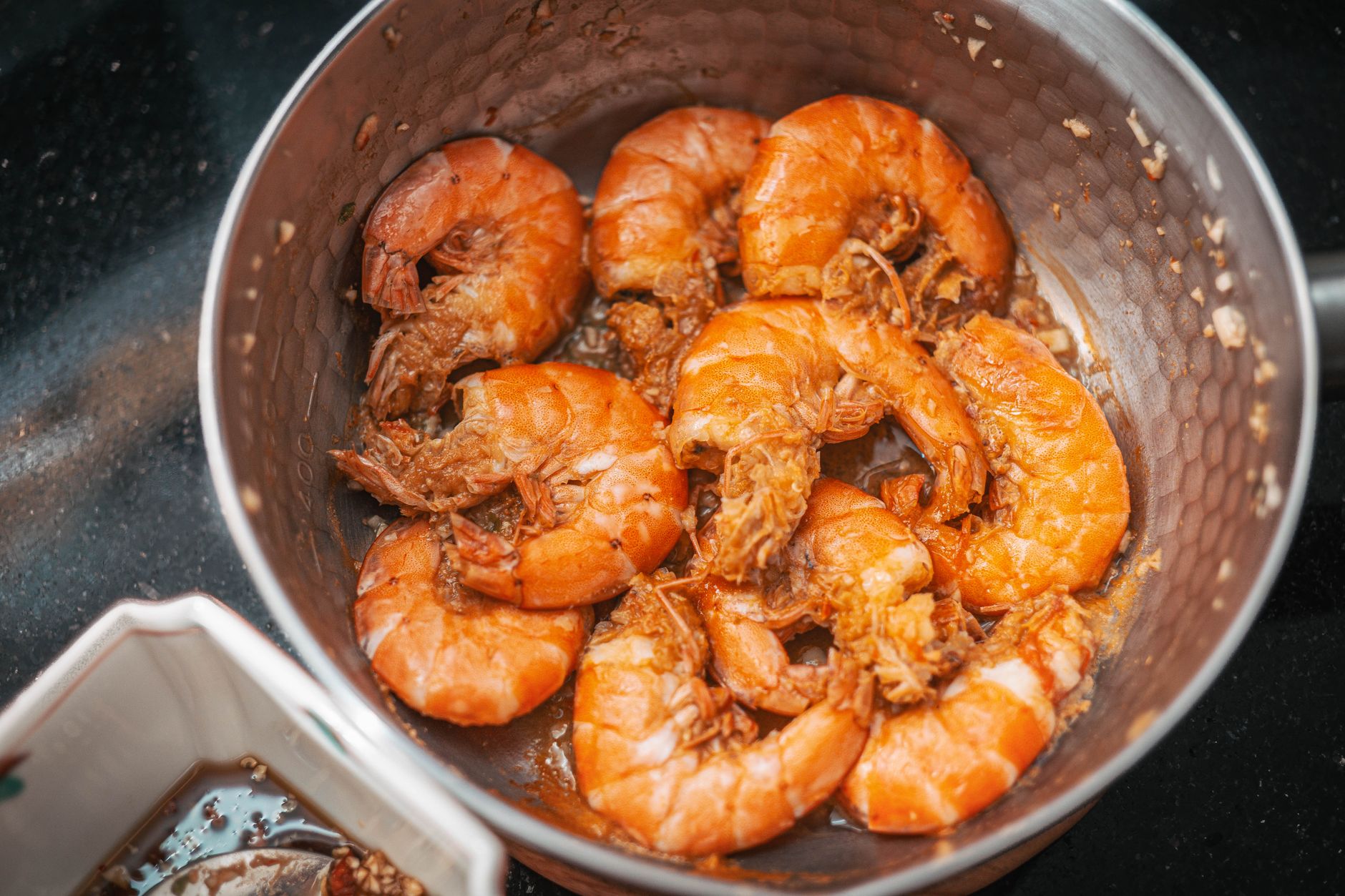
Cooking shrimp on the stove is a quick and delicious way to prepare this versatile seafood. Whether you’re looking to toss shrimp into a pasta dish or serve them as an appetizer, understanding how long it takes to cook shrimp perfectly is essential.
This article will provide detailed guidance on cooking shrimp, including timing, techniques, doneness tips, and common pitfalls to avoid.
How Long to Cook Shrimp on the Stove?
The cooking time for shrimp on the stove typically ranges from 2 to 6 minutes, depending on their size and cooking method. Small shrimp can take around 2-3 minutes, while larger ones may take 4-6 minutes. It’s essential to cook shrimp until they turn opaque and form a “C” shape for perfect doneness.
Understanding Shrimp Sizes and Types
Shrimp are categorized based on size and species, and these factors impact cooking time:
- Shrimp Sizes: Shrimp sizes are often indicated by the number of shrimp per pound. For example, 16/20 means there are approximately 16 to 20 shrimp in a pound. Understanding this numbering helps predict cooking times.
- Types of Shrimp: Common types include Atlantic, Pacific, and Gulf shrimp. Each has a slightly different flavor profile but similar cooking times.
Preparing Shrimp for Cooking
Before cooking shrimp, proper preparation is vital. Here’s how to get them ready:
- Thawing: If using frozen shrimp, thaw them in the refrigerator overnight or place them in a bowl of cold water for about 10-15 minutes.
- Cleaning: Rinse the shrimp under cold water and devein them if not already done. To devein shrimp, make a shallow cut along the back and remove the dark vein.
- Shelling (Optional): You can cook shrimp with the shell on for more flavor or remove it for easier eating.
Cooking Methods for Shrimp on the Stove
There are various methods to cook shrimp on the stove, including sautéing, boiling, and steaming. Each method offers unique flavors and textures.
Sautéing Shrimp
Sautéing is one of the most popular methods for cooking shrimp quickly while achieving a firm texture.
- Heat the Oil: Heat 1-2 tablespoons of olive oil or butter in a skillet over medium-high heat.
- Add Shrimp: Once the oil is shimmering, add the shrimp in a single layer.
- Cooking Time: Cook for 2-3 minutes on one side without moving them, until they turn pink. Flip them over and cook for an additional 1-2 minutes until fully cooked.
- Check for Doneness: The internal temperature should reach 120°F, and shrimp should appear opaque and curled into a “C” shape.
Boiling Shrimp
Boiling offers a straightforward approach to cooking shrimp while keeping them juicy.
- Boil Water: Bring a large pot of salted water to a boil.
- Add Shrimp: Carefully add the shrimp to the boiling water.
- Timing: Boil for about 2-3 minutes for small shrimp and 4-6 minutes for larger shrimp.
- Drain and Serve: Once they are translucent and pink, drain the shrimp and transfer them to a bowl of ice water to stop the cooking process.
Steaming Shrimp
Steaming is a healthy, gentle method of cooking that preserves the moisture of the shrimp.
- Prepare the Steamer: Fill a pot with an inch of water and insert a steaming basket. Bring the water to a boil.
- Add Shrimp: Place the shrimp in the steaming basket and cover.
- Cooking Time: Steam for 4-6 minutes, checking occasionally for doneness.
- Check for Doneness: Ensure the shrimp are opaque and have curled into a “C” shape.
Common Mistakes to Avoid When Cooking Shrimp
Cooking shrimp may seem easy, but it’s easy to make mistakes that can lead to less-than-ideal results. Here are some common pitfalls:
- Overcooking: Shrimp can turn rubbery if overcooked. As soon as they turn pink, it’s best to remove them from heat.
- Undercooking: Cooking shrimp insufficiently can pose health risks. Always check to see they are fully opaque and curled properly.
- Skipping Prepping: Not cleaning or deveining shrimp can affect flavor and texture. Proper cleaning is crucial.
Doneness Tips for Cooking Shrimp
Recognizing when shrimp are perfectly cooked is essential for achieving the best results. Here are some doneness tips:
- Color Change: Fresh shrimp turn from grey to pink as they cook.
- Curled Shape: Cooked shrimp will naturally curl into a “C” shape. A straight shrimp may indicate overcooking.
- Texture: Properly cooked shrimp should feel firm yet tender.
- Temperature: Use a food thermometer to ensure the internal temperature reaches at least 120°F.
Flavoring Shrimp: Herbs and Spices
Shrimp are a blank canvas ready to absorb various flavors. Here are some popular seasonings and combinations:
- Garlic: Fresh garlic or garlic powder complements shrimp beautifully.
- Herbs: Parsley, cilantro, dill, and basil can enhance the dish’s freshness.
- Spicy: Add red pepper flakes or Cajun seasoning for heat.
- Acid: A squeeze of lemon or lime juice brightens up the dish.
Serving Suggestions for Shrimp Dishes
Once your shrimp are cooked, serving them can be as creative as the cooking. Here are some ideas:
- Pasta Dishes: Toss shrimp with fettuccine or linguine in a garlic and olive oil sauce.
- Salads: Top a fresh garden salad with sautéed shrimp for protein and flavor.
- Tacos: Make shrimp tacos with salsa, avocado, and lime juice.
- Appetizers: Serve shrimp on skewers with cocktail sauce for a classic starter.
Make-Ahead and Storage Tips for Cooked Shrimp
If you’re planning to prepare shrimp in advance, here are some tips for storage:
- Refrigeration: Store cooked shrimp in an airtight container and consume within 3-4 days.
- Freezing: Shrimp can be frozen, but they may lose quality. Store in an airtight container or freezer bag for up to 3 months.
- Reheating: Reheat shrimp gently in a skillet over low heat or by steaming to prevent overcooking.
Final Thoughts on Cooking Shrimp on the Stove
Cooking shrimp on the stove is simple and quick once you understand the timing and techniques involved. With various methods to choose from, you can enjoy shrimp in numerous dishes with different flavors. Remember to pay attention to the cooking time, doneness cues, and how best to serve them for a delightful seafood experience.
For those looking for specific recipes, consider trying out creamy coconut shrimp or shrimp scampi for delightful meals that highlight shrimp’s delicious flavor. Explore these options and elevate your cooking!
Creamy Coconut Shrimp Recipe or Shrimp Scampi Recipe without Wine for more ideas!