
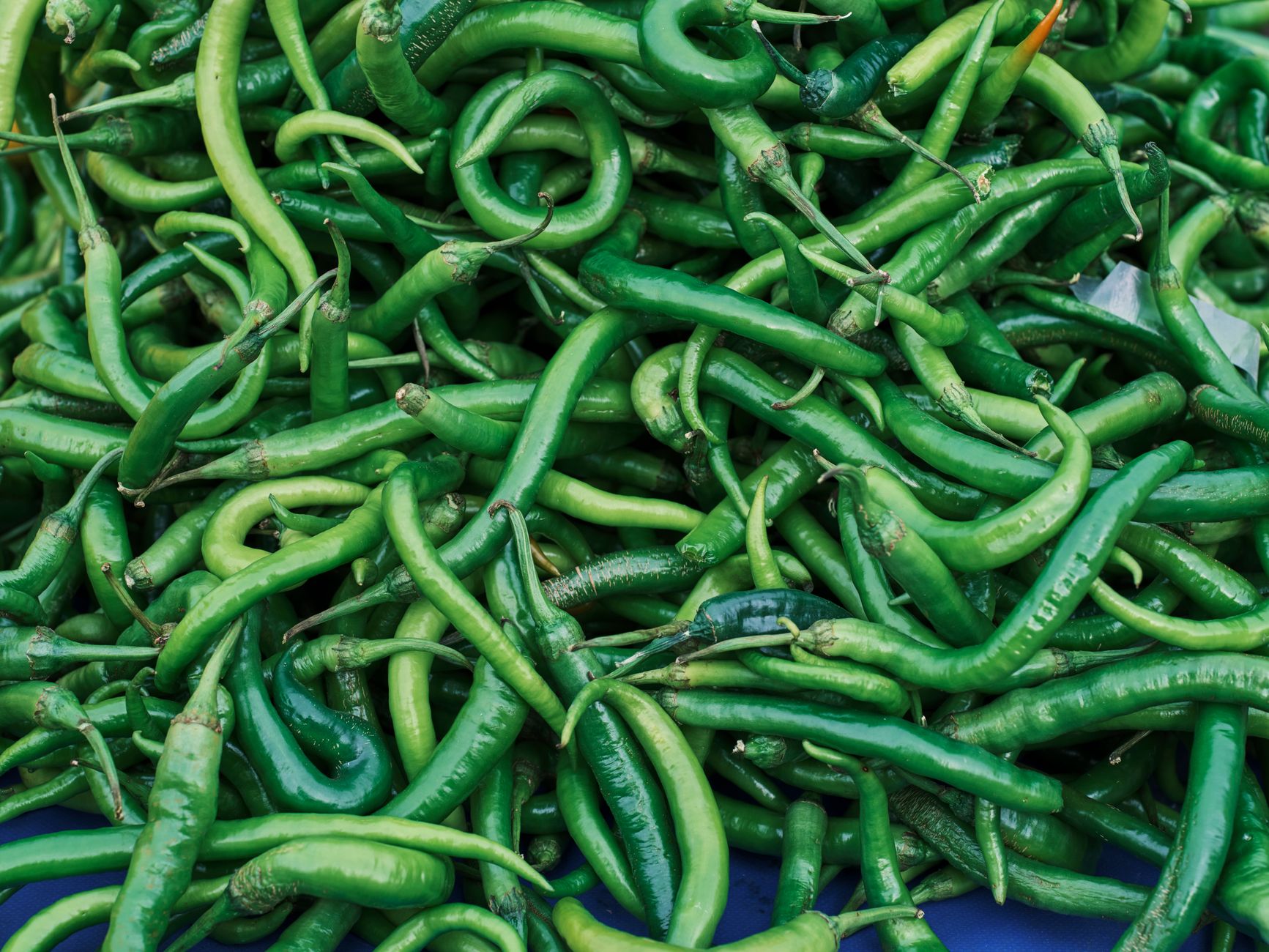
When you hear the term “spicy,” it typically evokes a range of sensations, flavors, and heat levels. Spiciness is a characteristic that enhances many dishes, adding depth and complexity to flavors. Understanding what spicy means can help you better navigate your culinary adventures, whether you are a beginner or an expert in the kitchen.
This article will take a deep dive into the world of spiciness, exploring what contributes to heat, various types of spicy ingredients, and how to incorporate them into your cooking. You’ll also learn about the heat levels associated with different spices and how to balance their flavors in your dishes.
What Is Spicy?
Spicy refers to the sensation of heat or pungency that comes from certain foods, primarily due to the presence of compounds known as capsaicinoids. The most famous of these is capsaicin, found in chili peppers. This component activates pain receptors in our mouths, leading to that recognizable burning sensation.
Spiciness can also refer to a variety of flavors resulting from other ingredients, such as ginger, black pepper, or mustard. These compounds not only provide heat but can also enhance overall flavor profiles, making dishes more interesting and enjoyable.
Heat Levels of Spices
Understanding the heat levels of various spicy ingredients is essential for any cooking endeavor. The Scoville Heat Scale is a widely recognized measure of spiciness that quantifies the heat of chili peppers and spicy foods based on the concentration of capsaicin. Here’s a quick overview of common ingredients and their approximate Scoville Heat Units (SHU):
| Ingredient | SHU |
|---|---|
| Bell Pepper | 0 |
| Poblano Pepper | 1,000 – 2,000 |
| Jalapeño Pepper | 2,500 – 8,000 |
| Serrano Pepper | 3,500 – 5,000 |
| Cayenne Pepper | 30,000 – 50,000 |
| Habanero Pepper | 100,000 – 350,000 |
| Ghost Pepper | 800,000 – 1,000,000 |
Common Spicy Ingredients
Various ingredients contribute to spiciness in cooking. Here’s a closer look at some popular spicy components you might consider:
- Chili Peppers: Used worldwide in various cuisines, they come in many shapes and sizes, each with its distinct flavor and heat level.
- Black Pepper: Often overlooked, freshly ground black pepper adds a warmth and slight bite to foods. It can pair well with both savory and sweet dishes.
- Ginger: This root has a warm, zesty flavor that adds a nice kick to dishes. It’s commonly used in Asian cuisines and can be enjoyed fresh, pickled, or powdered.
- Mustard: Mustard, especially when prepared with horseradish, can deliver a sharp heat that complements meats and sauces beautifully.
- Wasabi: Often served with sushi, it provides a fierce heat that is markedly different from chili peppers, causing a sinus-clearing sensation rather than burning the mouth.
- Curry Powders: These blends vary in spice levels, but many contain ingredients like cayenne pepper or black pepper which contribute a warming spice.
How to Use Spicy Ingredients in Cooking
Incorporating spicy ingredients into your cooking can elevate your dishes significantly. Here are some tips for using them effectively:
1. Start Small
If you’re new to cooking with spicy ingredients, start with small amounts and gradually increase as you become accustomed to the heat. This prevents overwhelming your dish or your palate.
2. Balance Flavors
To ensure that the spiciness enhances your dish rather than dominating it, balance it with other flavors. Sweet, sour, and salty components can help mitigate heat. Ingredients like sugar, lime juice, or coconut milk can provide that balance.
3. Cook Time Affects Heat Level
Longer cooking times can alter the flavor profile of spicy ingredients. For example, cooking chili peppers for extended periods can mellow their heat, while using them fresh can yield a sharper bite. Experiment with cooking times to see how it affects your dish.
4. Pair with Dairy
Dairy products, such as yogurt, sour cream, and cheese, can help cool down spicy dishes. Consider garnishing spicy meals with a dollop of yogurt or serving cheese on the side.
5. Be Mindful of Others
When cooking for guests, gauge their tolerance for spice. Having a range of spicy and mild options can accommodate everyone’s preferences. This approach ensures a pleasant dining experience for all.
Common Mistakes When Cooking with Spicy Ingredients
When incorporating spiciness into your cooking, avoiding certain pitfalls is crucial:
1. Overdoing It
It’s easy to let enthusiasm for spicy flavors result in using too much. Remember that you can always add more heat, but it’s challenging to dial it back once it’s there.
2. Ignoring Heat Retention
Spicy heat can intensify as dishes sit. Consider this when preparing meals ahead of time, especially if they will be stored for later. Make adjustments accordingly to prevent excessive heat after reheating.
3. Using Old Spices
Spices lose their potency over time. If you’re using dried spices, ensure they are fresh. Old spices may not provide the intended heat or flavor.
Spicy Cuisine Around the World
Many cultures around the globe embrace spiciness in their food. Here’s a look into some spicy cuisines:
1. Mexican Cuisine
Known for its colorful salsas, enchiladas, and tacos, Mexican cuisine predominantly uses chili peppers like jalapeño, poblano, and habanero. Each offers distinct heat levels and flavor combinations, often paired with tomatoes, beans, and meats.
2. Indian Cuisine
India boasts dishes rich in spices, where heat is designed to balance flavors. Various chilis and curry powders create diverse heat levels, complemented by fragrant spices like cumin and coriander.
3. Thai Cuisine
Thai dishes often meld heat with sweet, sour, and salty elements. Basil, lime, and coconut milk blend with chili peppers to create dishes that are as flavorful as they are spicy, such as green curry or spicy pad Thai.
4. Sichuan Cuisine
Sichuan peppercorns are unique in creating a numbing sensation alongside traditional heat from chili peppers, making dishes like hot pot and mapo tofu extraordinary in flavor. This combination leaves a lasting imprint on the palate.
Spicy Recipes to Try
Incorporating spicy ingredients into your cooking can be both experimentation and tradition. Here are a couple of easy spicy recipes for you to try:
Spicy Salsa
This versatile salsa can be used with chips, tacos, or as a condiment for grilled meats.
- Yield: 2 cups
- Preparation Time: 10 minutes
Ingredients
- 4 medium tomatoes, diced
- 1 small onion, finely chopped
- 1 jalapeño pepper, seeded and minced
- 2 tablespoons fresh cilantro, chopped
- Juice of 1 lime
- Salt to taste
Method
- In a bowl, combine diced tomatoes, onion, jalapeño, and cilantro.
- Drizzle with lime juice and add salt. Stir well to combine.
- Let the salsa sit for about 15 minutes to allow flavors to meld before serving.
Spicy Chicken Stir-Fry
This recipe is perfect for a quick weeknight meal that delivers on flavor and heat.
- Yield: 4 servings
- Preparation Time: 15 minutes
- Cooking Time: 10 minutes
- Total Time: 25 minutes
Ingredients
- 1 pound chicken breast, sliced
- 2 tablespoons soy sauce
- 2 tablespoons oyster sauce
- 1 tablespoon sesame oil
- 1 tablespoon vegetable oil
- 1-2 tablespoons sambal oelek or another chili paste
- 2 cups mixed vegetables (bell peppers, broccoli, snap peas)
- 1 teaspoon fresh ginger, minced
- 1 teaspoon garlic, minced
- Cooked rice, for serving
Method
- In a bowl, marinate the chicken with soy sauce, oyster sauce, and sambal oelek for at least 10 minutes.
- In a large skillet or wok, heat vegetable oil over medium-high heat.
- Add the marinated chicken and stir-fry until partially cooked, about 5 minutes.
- Add garlic, ginger, and mixed vegetables, cooking until the chicken is cooked through and vegetables are tender, about 5 more minutes.
- Drizzle sesame oil over the stir-fry and toss everything thoroughly before serving over rice.
Storing and Reheating Spicy Foods
Proper storage of your spicy dishes is crucial to maintain flavor and heat. Here are some guidelines:
Storage
Most cooked spicy dishes can be stored in the refrigerator for up to three days. Ensure that the food is in a sealed container to prevent it from absorbing other flavors and to limit moisture loss.
Freezing
Many spicy dishes freeze well. If you are working with sauces or stews, let them cool completely before transferring them to airtight freezer containers. They can last up to three months in the freezer. Always label with the date for future reference.
Reheating
When reheating, do so gently over low to medium heat, ensuring not to scorch the spicy elements. Stir occasionally to achieve even heating, and taste to ensure the flavors remain balanced after reheating.
Next Steps in Your Spicy Journey
Spiciness can transform any dish into a flavor-packed experience. By experimenting with different spicy ingredients and understanding how to balance their heat, you can enhance your culinary repertoire significantly. Don’t hesitate to explore and expand your spice tolerance!
As you refine your palate, you may want to explore related topics such as cumin’s spice level or dive into the heat levels of gochujang.