
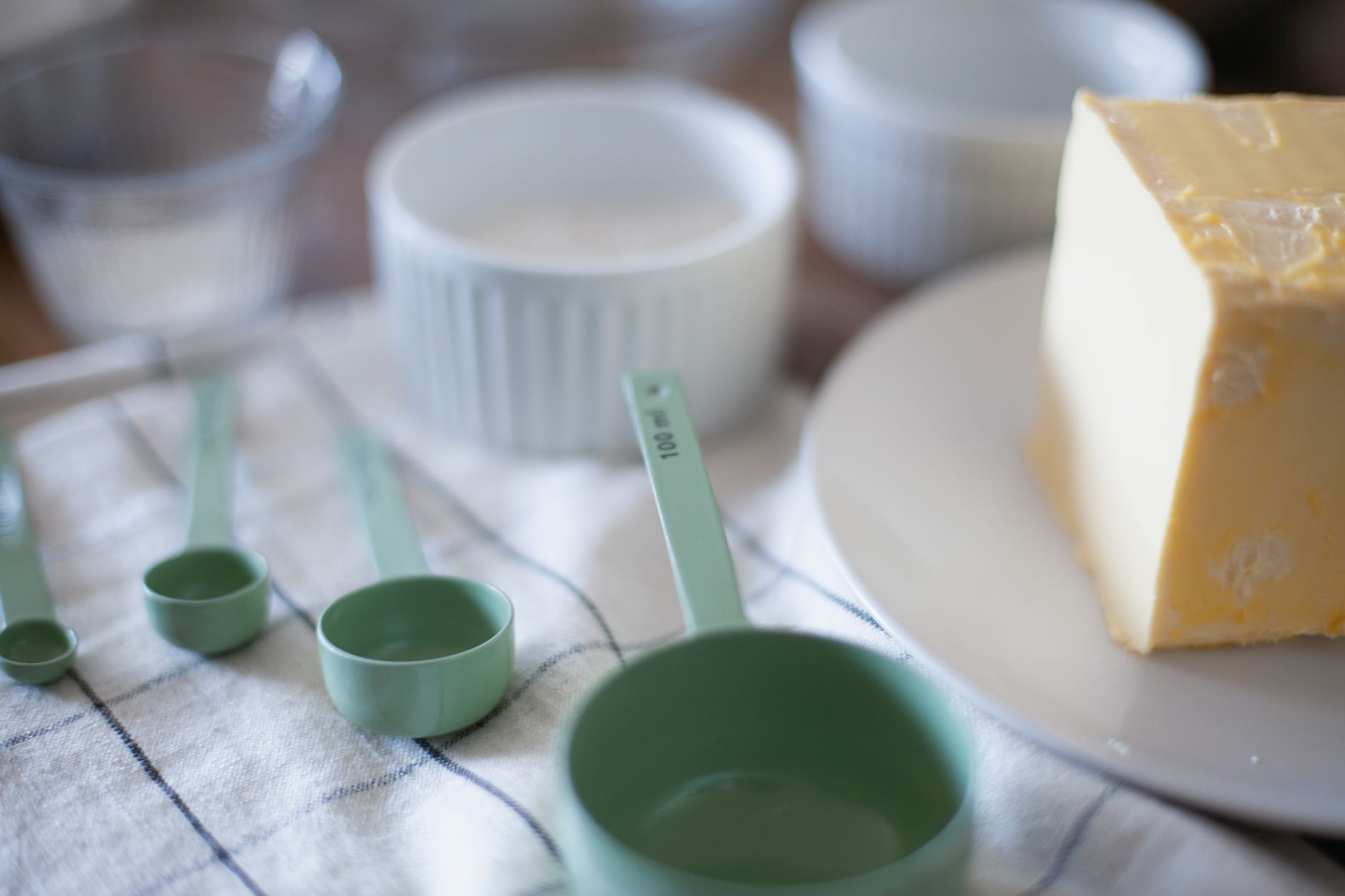
Understanding kitchen measurements can significantly impact your cooking and baking success. One common question that arises is, “How many tablespoons are in 3/4 cup of butter?” Accurately measuring ingredients like butter is essential because it can affect the texture, moisture, and flavor of your dishes.
This article will focus on the conversion of butter from cups to tablespoons, explain why precise measurements matter, and provide helpful tips and tricks for working with butter in various culinary applications.
How Many Tbsp Is 3/4 Cup Butter?
There are 12 tablespoons in 3/4 cup of butter. Since 1 cup equals 16 tablespoons, you can easily derive this by calculating 3/4 of 16.
The Importance of Accurate Measurements in Cooking
Precise measurements are crucial, especially in baking, where the balance of wet and dry ingredients directly affects outcomes. For example, too much butter can lead to overly greasy cookies, while too little can result in dry, crumbly texture. By understanding how to measure butter accurately, you can enhance your culinary success.
Converting Between Cups and Tablespoons
When converting fluid ounces or cups to tablespoons, remember these basic conversions:
- 1 cup = 16 tablespoons
- 1/2 cup = 8 tablespoons
- 1/3 cup = 5 tablespoons + 1 teaspoon (approximately)
- 1/4 cup = 4 tablespoons
- 1 tablespoon = 1/16 cup
Now, let’s break down how we reach 12 tablespoons for 3/4 cup:
- Start with the full cup measurement: 1 cup = 16 tablespoons.
- To find 3/4 cup, multiply 16 tablespoons by 3/4: 16 x 0.75 = 12 tablespoons.
Measuring Butter: Methods and Tips
When measuring butter, especially for recipes requiring precision, there are a few methods you can use:
1. Stick Measurements
In many countries, butter comes in sticks that are marked with tablespoons. For instance, a standard stick of butter measures 1/2 cup or 8 tablespoons. To obtain 3/4 cup, you would typically use 1½ sticks of butter.
2. Using a Liquid Measuring Cup
If a recipe doesn’t specify stick measurements and calls for melted butter instead, you can use a liquid measuring cup. Here’s how:
- Place the liquid measuring cup on a flat surface.
- Pour the butter into the measuring cup until it reaches the 3/4 cup line.
- Ensure to check the measurement at eye level to avoid parallax errors.
3. Digital Kitchen Scale
For the most accuracy, consider using a digital kitchen scale. Butter weighs about 227 grams per cup. Therefore, for 3/4 cup:
- Calculate the weight: 227 grams x 0.75 = 170.25 grams.
This method is particularly helpful for recipes where precision is vital.
Common Uses for Butter in Cooking and Baking
Butter is a versatile ingredient prominently featured in countless recipes, ranging from savory to sweet. Here are a few notable uses:
1. Baking
Butter serves as a primary fat in many baked goods, contributing to richness, flavor, and moisture. It helps create flaky pastries, tender cakes, and delicious cookies. Some popular butter-based recipes include:
- Cakes (such as pound cake or layer cakes)
- Cookies (such as chocolate chip or butter cookies)
- Pies and tarts (like buttery pie crusts)
2. Sauteing and Roasting
Butter’s ability to enhance flavors makes it great for sauteing vegetables or meats. Using butter for roasting can also impart a lovely, rich flavor to the finished dishes. For best results, combine butter with oil to raise the smoke point.
3. Sauces and Soups
Butter can add a luscious mouthfeel to sauces and soups, making them feel more indulgent. It can also shine in classic French sauces like beurre blanc and hollandaise.
Flavor, Texture, and Different Types of Butter
When using butter, the flavor and texture can vary depending on the type you choose:
1. Unsalted Butter
This is the most common butter used in baking. Its lack of salt provides more control over seasoning in recipes. Unsalted butter is often recommended for pastries and cookies where precise salt content is essential.
2. Salted Butter
Salted butter is often used for spreading on toast or for general cooking. When using salted butter in baking, be mindful of the added flavors. You might want to reduce or omit any additional salt in the recipe.
3. European or Cultured Butter
This type of butter often has a higher fat content and a tangy flavor due to the cultures used in its production. It can elevate the flavor profile of baked goods, but it may also alter the texture slightly. Adjustments may be needed in recipes.
4. Clarified Butter
Clarified butter has the milk solids and water removed. As a result, it’s ideal for high-heat cooking and lends a nutty flavor. Substitute clarified butter for regular butter in sautéing and frying.
For home cooks looking to make clarified butter, check out this clarified butter recipe.
Common Mistakes When Measuring Butter
Even experienced chefs can make errors when measuring butter. Here are some common pitfalls:
1. Not Softening Butter
Many recipes call for softened butter. While it’s tempting to measure cold butter directly from the fridge, it can hinder proper mixing and texture. Cut your butter into smaller pieces to speed up softening or leave it at room temperature for about 30 minutes before use.
2. Using the Wrong Measurement Tool
Using a liquid measuring cup for dry ingredients, or vice versa, can lead to inaccurate measurements. Always select the right measuring tool based on the ingredient.
3. Skipping Weighing
For precision, especially in baking, a scale can eliminate discrepancies in measurement that affect the final product. Ensure you zero the scale before weighing.
Substitutes for Butter in Recipes
Sometimes, you may find yourself needing to replace butter in recipes. Here are some common substitutes and what to keep in mind:
1. Margarine
A common substitute, margarine works similarly to butter in most recipes. When substituting margarine for butter, use the same measurement for the best results.
2. Vegetable Oil
Vegetable oil can replace butter in some recipes, especially in baking. The general conversion is to use 1/4 cup less oil than the amount of butter called for. For 3/4 cup butter, you would use about 1/2 cup oil. However, keep in mind that this will change the flavor profile.
3. Coconut Oil
For a dairy-free option, solid coconut oil can act as a direct substitute. Use it measure-for-measure, but be aware it will impart a slight coconut flavor.
4. Applesauce or Yogurt
These can replace butter in some baking recipes to add moisture without the fat, particularly in cakes and muffins. Use half the amount of butter and add a little additional flour to prevent sogginess.
Storing Butter Correctly
Proper storage is essential to maintaining the quality of your butter:
1. Refrigeration
Store butter in the refrigerator if you won’t be using it within a week. Wrap it tightly in its original packaging or in wax paper to prevent it from absorbing other odors.
2. Freezing
Butter can be frozen for up to six months. Slice it into portions for easy measuring when needed and wrap it tightly in freezer-safe packaging.
3. Room Temperature
If you use butter regularly, it’s perfectly fine to keep a small amount at room temperature in a butter dish for spreading. Ensure that it is protected from heat and exposure to air.
Cooking Techniques That Highlight Butter
Understanding which cooking techniques work best with butter can elevate your culinary skills:
1. Browning Butter
Brown butter is achieved by melting butter and cooking it until it turns golden brown and has a nutty aroma. Use it in sauces, baked goods, or as a unique flavor enhancer for roasted vegetables.
2. Buttermilk
Buttermilk can be made by adding vinegar or lemon juice to milk and letting it sit for a few minutes. It’s often used in recipes for pancakes and cakes to give added flavor and moisture. Many dishes calling for buttermilk may also require a butter base.
3. Creaming Method
In baking, the creaming method involves beating butter with sugar until fluffy, helping to incorporate air for leavening. This is foundational for cakes and cookies.
Wrapping Up
Understanding how many tablespoons are in 3/4 cup of butter is just the tip of the iceberg in mastering your kitchen. Precision in measurement can make all the difference between good and great, especially in baking.
Experiment with the various types, uses, and techniques highlighted in this article. Apply your newfound knowledge to your next baking project or savory dish, and you may be surprised at the delightful results.
For a fresh take on unique butter recipes, consider trying butter swim biscuits from this butter swim biscuits recipe. It’s a delicious way to use butter and impress your family or guests!