
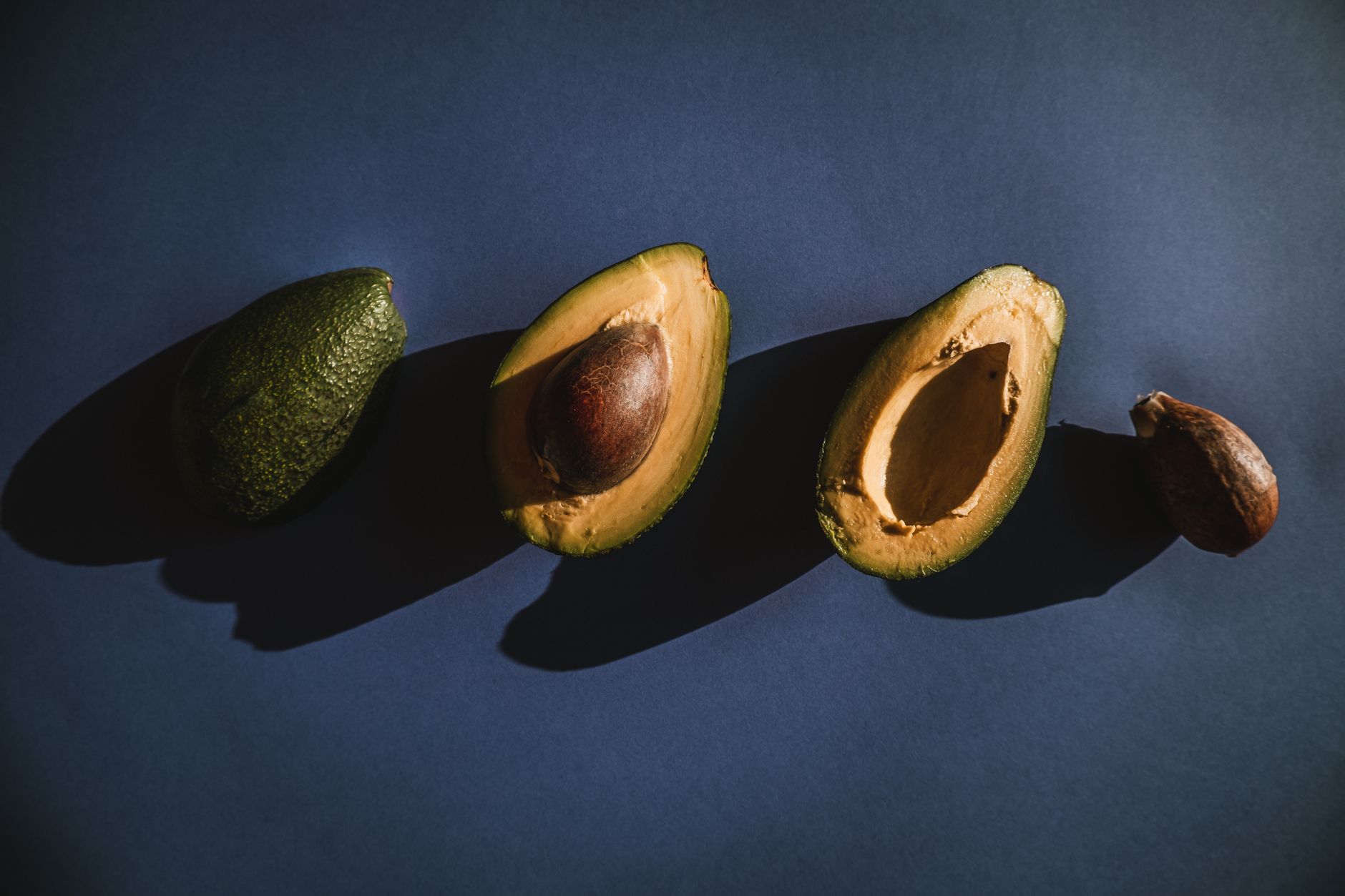
Avocados have surged in popularity as a versatile and nutritious ingredient in modern diets. Whether you slice them for a salad, mash them for guacamole, or spread them on toast, they bring creamy texture and rich flavor to a variety of dishes. But how many calories does one avocado actually have?
Understanding the caloric value of an avocado is essential for meal planning, especially for those watching their dietary intake. Let’s dive into the nutritional aspects of avocado consumption, how it fits into a broader diet, and more specifics about this beloved fruit.
How Many Calories Does One Avocado Have?
A medium-sized avocado, roughly 150 grams, comprises about 240 to 300 calories. The variation in calories stems from different sizes and varieties of avocados. Most of the calories come from healthy fats, primarily monounsaturated fat, which can promote heart health.
Understanding the Nutritional Composition of Avocado
Beyond calories, avocados pack a plethora of nutrients that contribute positively to health. Here is a breakdown of the nutritional content of a typical medium avocado:
- Total Fat: 22 grams
- Monounsaturated Fat: 15 grams
- Polyunsaturated Fat: 3 grams
- Saturated Fat: 3 grams
- Carbohydrates: 12 grams
- Fiber: 10 grams
- Protein: 3 grams
- Vitamins: B vitamins (B6, riboflavin, folate), Vitamin C, Vitamin E, and Vitamin K
- Minerals: Potassium, magnesium, and copper
This impressive nutrient profile makes avocados not just a source of calories, but also a healthful addition to a variety of dishes.
Calories in Different Types of Avocados
While the Hass avocado is the most commonly consumed variety, there are several types available globally, each with varying nutrient profiles. Here’s a glance at how calories and nutrients might differ among some common types:
| Avocado Type | Calories (per 100g) | Fat (g) | Fiber (g) |
|---|---|---|---|
| Hass | 160 | 15 | 7 |
| Fuerte | 135 | 13 | 6 |
| Pinkerton | 200 | 18 | 8 |
| Bacon | 162 | 15 | 4 |
Each variety brings its unique flavor and textural qualities, which can be fun to explore in your culinary creations.
Health Benefits of Avocado
In addition to being calorie-dense, avocados offer numerous health benefits:
- Heart Health: The high monounsaturated fat content helps to lower bad cholesterol levels.
- Rich in Fiber: The fiber in avocados aids digestion and can help with weight management.
- Vitamins and Antioxidants: Avocados contain several vitamins and antioxidants that can aid in reducing inflammation and promoting overall health.
- Healthy Skin: Vitamin E in avocados helps maintain hydration and enhances skin health.
Incorporating avocados into your diet can be beneficial for maintaining a balanced and health-conscious eating plan.
How to Incorporate Avocado into Your Diet
If you’re unsure how to add avocados into your meals, here are some practical ideas:
- Breakfast: Mash avocado on whole grain toast and top with a poached egg, or blend it into smoothies for creaminess.
- Lunch: Use slices of avocado in salads, sandwiches, or wraps for added flavor and healthy fats.
- Dinner: Incorporate avocado into taco fillings, pasta dishes, or serve alongside grilled meats for a fresh touch.
- Snacks: Prepare guacamole for dipping veggies, or mix avocado with yogurt and honey for a delicious dessert-like snack.
No matter the meal, avocados are a versatile ingredient worth including in your cooking repertoire.
Practical Tips for Choosing and Storing Avocados
Here are some tips for selecting ripe avocados and maximizing their shelf life:
Selecting Avocados
- Look for avocados that yield slightly to gentle pressure, indicating ripeness.
- The skin color can vary by variety; however, generally, a darker color indicates a ripe Hass avocado.
- Avoid avocados with large dents or dark spots, which may indicate over-ripeness or spoilage.
Storing Avocados
- Store unripe avocados at room temperature until they yield slightly to pressure.
- Once ripe, store them in the refrigerator to extend their freshness.
- If you have cut an avocado, sprinkle lemon or lime juice on the exposed flesh and cover it tightly to minimize browning.
Proper handling and storage can enhance the quality and longevity of your avocados.
Common Mistakes When Eating Avocados
While enjoying avocados, it’s essential to know some common mistakes to avoid:
- Overconsumption: Given their high-calorie content, it’s easy to overlook portion sizes. Stick to one medium avocado per serving to enjoy its benefits without excessive calories.
- Ignoring Ripeness: Eating unripe avocados can be a letdown. Ensure you allow avocados ample time to ripen if they’re still hard.
- Throwing Away the Seed: The seed can be used for various culinary purposes, including making smoothies or and preparing antioxidants-rich coconut meals.
By avoiding these common pitfalls, you can better enjoy the benefits of this nutritious fruit.
Avocado Recipes to Try
For those eager to experiment with avocados, here are two simple, delicious recipes to get started:
Avocado Toast
This classic dish highlights the creamy richness of avocado while being versatile enough for any time of day.
Ingredients
- 1 ripe avocado
- 2 slices of whole-grain bread
- Salt and pepper, to taste
- Optional toppings: sliced radishes, cherry tomatoes, poached egg, or chili flakes
Instructions
- Toast the slices of whole-grain bread until golden brown.
- In a bowl, mash the ripe avocado until smooth and creamy.
- Spread the mashed avocado evenly over the toasted bread.
- Season with salt, pepper, and any optional toppings of choice.
Guacamole
Guacamole is a favorite dip that is simple to prepare and always a crowd-pleaser.
Ingredients
- 2 ripe avocados
- 1 small onion, finely chopped
- 1 tomato, diced
- 1 lime, juiced
- Salt, to taste
- Optional: chopped cilantro and minced jalapeño for a kick
Instructions
- In a mixing bowl, mash the avocados with a fork until preferred smoothness is achieved.
- Add the chopped onion, tomato, lime juice, and salt. Mix until combined.
- If desired, incorporate cilantro and jalapeño for added flavor.
These recipes offer an easy and delicious way to incorporate avocados into your meals while keeping calorie counts in check.
Final Thoughts
Avocados are not only rich in calories but are also a powerhouse of nutrients and health benefits. Understanding their caloric content can help you incorporate them into your diet effectively. With so many ways to enjoy avocados, from spreads to salads, they provide delicious options for clean eating and meal planning.
Next time you wonder how to use avocados, consider exploring their rich flavors in dishes like avocado bread or avocado crema for an exciting culinary experience. Cooking with avocados can enhance your meals while keeping nutrition in mind.