
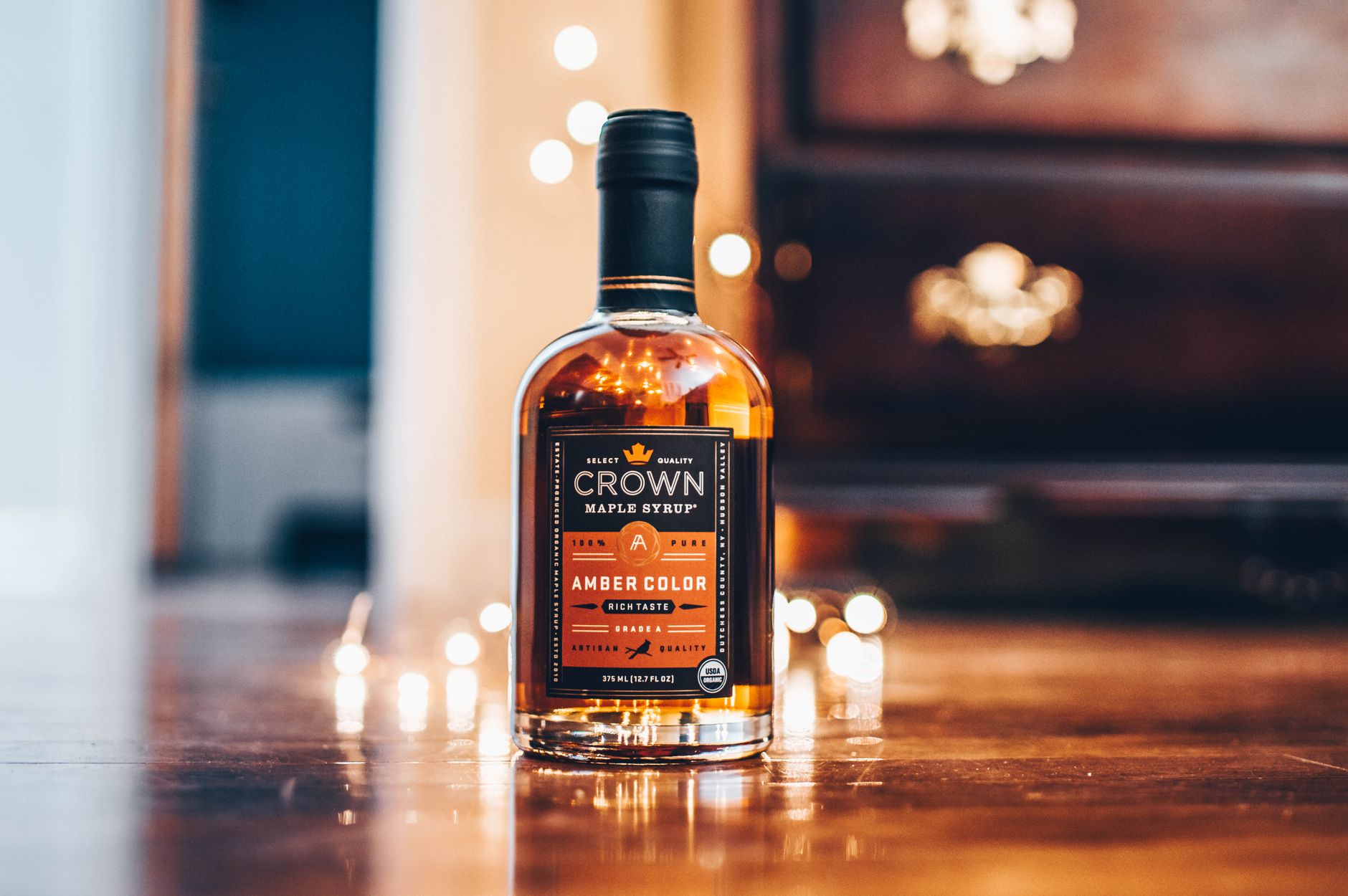
Maple syrup is a beloved natural sweetener that adds rich flavor to a variety of dishes, from pancakes to glazes. However, many wonder whether it needs to be refrigerated after opening. Understanding the proper storage of maple syrup is essential for maintaining its quality, flavor, and safety.
This article will explore the necessity of refrigeration, how to store maple syrup correctly, and tips for maximizing its shelf life. We’ll also discuss whether there are any differences based on the type of syrup and provide practical advice on usage and preservation.
Does Maple Syrup Have to Be Refrigerated?
No, maple syrup does not have to be refrigerated, but doing so is recommended for preserving its quality and safety after opening. Unopened maple syrup can be safely stored at room temperature, but once it has been opened, refrigeration can help prevent spoilage and mold growth.
Understanding Maple Syrup
Made from the sap of sugar maple trees, maple syrup is a natural sweetener that varies in flavor, color, and texture depending on various factors, including the time of collection and the processing method. Typically, maple syrup is categorized into two main types: pure maple syrup and imitation maple syrup.
- Pure Maple Syrup: This syrup is made directly from the sap of sugar maple trees and contains no additives or preservatives. It offers a rich, complex flavor profile and is often more expensive.
- Imitation Maple Syrup: Often made from high-fructose corn syrup and artificial flavoring, this variant is less costly but lacks the depth of flavor found in pure maple syrup.
How to Store Maple Syrup
The storage method for maple syrup depends on whether it is opened or unopened. Here’s a detailed guide on storing it properly to ensure its longevity:
Unopened Maple Syrup
- Cool, Dry Place: Unopened bottles of maple syrup can be kept in a cool, dry cupboard or pantry. This protects it from direct sunlight and heat, preserving its flavor and quality.
- Avoid Extreme Temperatures: Maintaining a consistent temperature is key. Store syrup away from ovens, stoves, or any appliances that generate heat.
Opened Maple Syrup
- Refrigeration Recommended: After opening, it’s best to store maple syrup in the refrigerator. Cold storage helps inhibit yeast and bacteria growth that can lead to spoilage.
- Alternative Freezing: Maple syrup can also be frozen for long-term storage. It will retain its quality for up to a year when frozen. Use a tightly sealed container to prevent crystallization.
Signs of Spoiled Maple Syrup
Even with proper storage, maple syrup can spoil over time. Here are some indicators that your syrup may no longer be good to consume:
- Mold Growth: If you see any mold on the surface, it’s a sign that the syrup has fermented. In this case, discard the syrup.
- Off Odor: A sour smell indicates spoilage. Fresh maple syrup should have a sweet, rich scent.
- Off Flavor: If the syrup tastes strangely or has an unusual aftertaste, it’s likely gone bad.
Using Maple Syrup Beyond Breakfast
While most people think of maple syrup as a topping for breakfast foods, it can enhance a variety of dishes, bringing natural sweetness and depth. Here are some creative uses for maple syrup in your cooking and baking:
- Cooking and Sauces: Maple syrup can act as a glaze for meats, such as chicken or pork, adding a delightful caramelized flavor. It can also enhance salad dressings with a touch of sweetness.
- Baking: Substitute part of the sugar with maple syrup in recipes for cookies, cakes, or muffins. It can add moisture and unique flavor. Just reduce the total liquid in the recipe accordingly.
- Drinks: Maple syrup can sweeten drinks like coffee, tea, or cocktails, providing a warm, rich flavor.
Practical Tips for Maple Syrup Use
To make the most of your maple syrup, keep the following tips in mind:
- Measure Precisely: When substituting maple syrup for sugar, use about ¾ cup of syrup for every cup of sugar and reduce other liquid ingredients by 3 tablespoons.
- Serve at Room Temperature: If refrigerated, allow maple syrup to warm at room temperature before using. This makes it easier to pour and enhances flavor.
- Glass vs. Plastic Containers: Maple syrup can be stored in glass or plastic. However, glass containers are preferred as they do not leach chemicals and can help maintain flavor quality.
Comparing Pure vs. Imitation Maple Syrup Storage
While the general storage principles apply to both types, there are some differences to consider:
- Pure Maple Syrup: Because it contains natural sugars, it requires more careful handling and storage. Refrigeration after opening is strongly recommended.
- Imitation Maple Syrup: This type often contains preservatives, giving it a longer shelf life even when not refrigerated. However, for best flavor, you can choose to store it in the fridge after opening.
Common Mistakes When Storing Maple Syrup
Here are some common mistakes to avoid, ensuring that your maple syrup stays fresh for as long as possible:
- Storing with the Lid Loose: Always ensure the lid is tightly sealed after each use. A loose cap allows air and moisture in, which can lead to spoilage.
- Storing Near Heat Sources: Avoid keeping maple syrup close to the oven or stove, where heat can degrade its quality over time.
- Ignoring Expiration Dates: Check the expiration dates on the bottle. Depending on the quality and type, maple syrup can last for years if stored properly.
Conclusion
In summary, it is not strictly necessary to refrigerate maple syrup, but doing so is recommended to ensure its longevity and quality after it has been opened. Always store unopened syrup in a cool, dry place and consider refrigeration for opened syrup to prevent spoilage. With the right storage methods, you can enjoy the rich flavor of maple syrup in various recipes well beyond breakfast.
For more information about ingredient storage, check out whether ghee needs to be refrigerated, or learn how to prepare your own maple syrup at home. Explore related recipes and cooking tips to expand your culinary knowledge.