
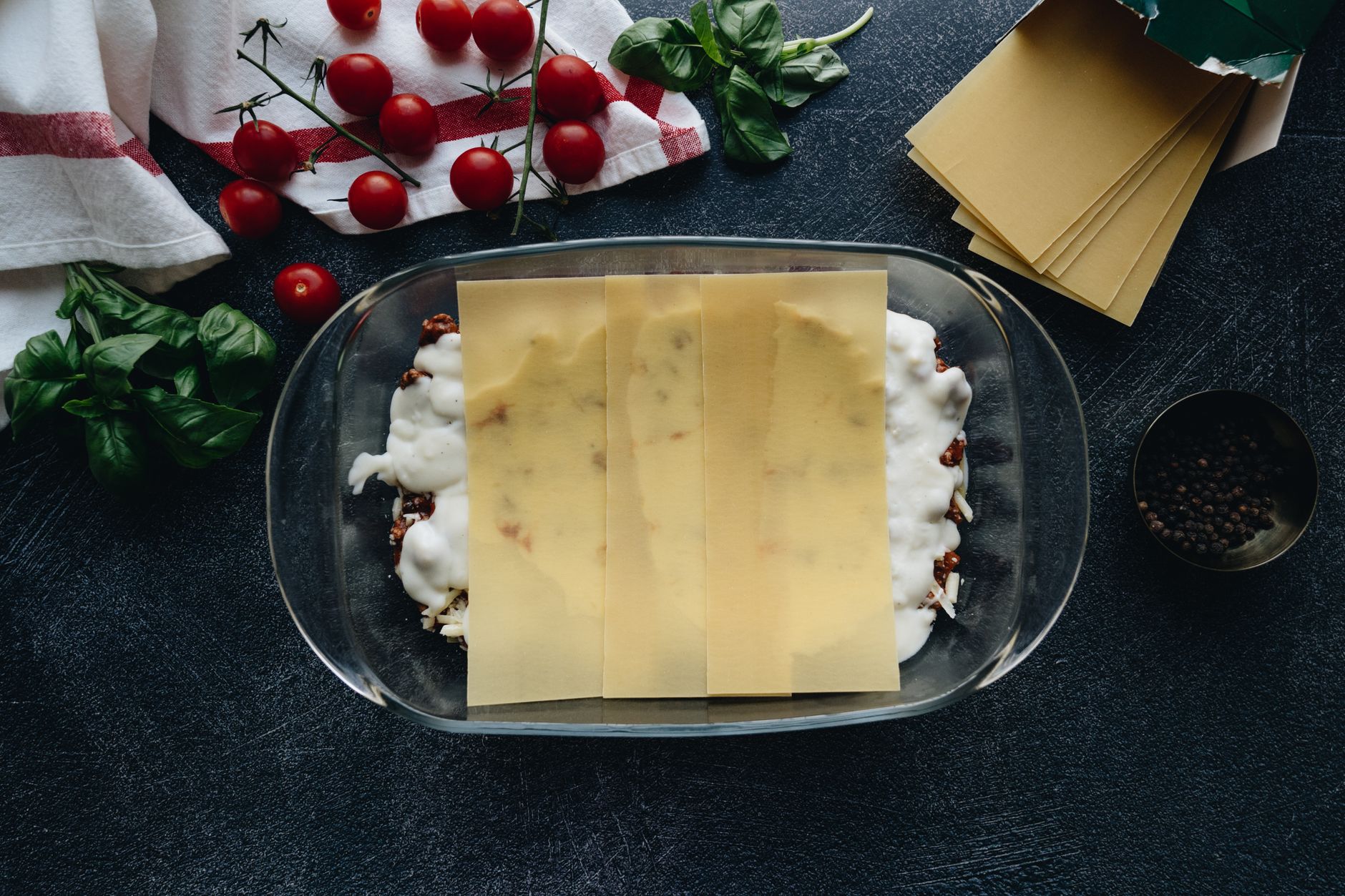
Lasagna is a beloved Italian dish known for its rich layers of flavors and comforting textures. It consists of pasta sheets layered with various fillings, typically including meat, cheese, and tomato sauce. Creating lasagna from scratch can be a fulfilling culinary endeavor, and understanding what you need to make it is crucial for success.
This article will guide you through essential ingredients, equipment, and tips to prepare perfect lasagna. Whether you’re a beginner or looking to refine your skills, knowing the components of preparing this classic dish will make the process easier and more enjoyable.
What Do You Need to Make Lasagna?
To prepare a delicious lasagna, you’ll need specific ingredients and equipment that contribute to its unique flavor and texture. Here’s a breakdown of these essentials.
Key Ingredients for Lasagna
The ingredients for lasagna can vary based on personal taste, dietary restrictions, and regional variations. However, most traditional recipes include the following components:
- Lasagna Noodles: These are the flat pasta sheets that form the base and layers of the dish. You can use either dry or fresh noodles, depending on your preference.
- Meat: Ground beef, pork, or Italian sausage are commonly used. For a vegetarian option, you can substitute with vegetables such as spinach, mushrooms, or zucchini.
- Tomato Sauce: A good quality marinara or homemade tomato sauce adds richness and moisture to the dish.
- Ricotta Cheese: A creamy cheese that contributes to the layers of flavor and texture in the lasagna.
- Shredded Cheese: Mozzarella is the most popular choice for its melting qualities, while Parmesan cheese is often sprinkled on top for added flavor.
- Egg: Often mixed with ricotta to enhance creaminess and help bind the cheese mixture.
- Herbs and Spices: Common additions include basil, oregano, salt, pepper, and garlic for flavor enhancement.
Essential Equipment for Making Lasagna
Having the right tools can make preparing lasagna much more efficient. Here’s a list of equipment you’ll likely need:
- Large Pot: For boiling lasagna noodles, especially if using the traditional kind that requires cooking before layering.
- Colander: To drain the noodles after boiling.
- Large Skillet: For browning the meat and sautéing vegetables if desired.
- Baking Dish: A deep 9×13-inch dish is ideal for layering the lasagna.
- Mixing Bowls: To combine your cheese mixtures and sauces.
- Spoon or Spatula: For spreading sauces and cheese mixtures evenly between layers.
- Aluminum Foil: Used to cover the lasagna while baking to prevent excessive browning and drying out.
- Knife or Pizza Cutter: To slice the finished product into portions.
Preparation and Assembly Methods
Now that you have your ingredients and equipment ready, it’s time to prepare and assemble your lasagna. Below is a step-by-step guide that outlines the typical process.
- Cook the Noodles: If you are using traditional lasagna noodles, bring a large pot of salted water to a boil and cook the noodles according to the package instructions. Drain and set aside. If using no-boil noodles, you can skip this step.
- Prepare the Meat Sauce: In a large skillet over medium heat, add the ground meat and cook until brown. Drain excess fat, then add your tomato sauce, herbs, salt, and pepper. Let it simmer for about 15-20 minutes.
- Mix the Cheese: In a separate bowl, combine ricotta cheese, an egg, a pinch of salt, pepper, and some grated Parmesan cheese. Mix until well combined.
- Layer the Ingredients: In your baking dish, start by spreading a thin layer of meat sauce on the bottom. Then place a layer of noodles over the sauce. Add a layer of the ricotta mixture, then top with mozzarella cheese. Repeat the layering process until all ingredients are used, finishing with a layer of meat sauce and a sprinkle of mozzarella and Parmesan on top.
- Cover and Bake: Cover the baking dish with aluminum foil (to avoid sticking, spray the foil with cooking spray). Bake in a preheated oven at 375°F (190°C) for 25-30 minutes. Then remove the foil and bake for an additional 15-20 minutes, or until bubbly and golden on top.
- Cool and Serve: Allow the lasagna to sit for at least 15-20 minutes before cutting. This resting period will help the layers set, making it easier to serve.
Variations and Substitutions
Lasagna offers flexibility concerning ingredients, making it easy to customize. Here are some common variations and substitutions:
- Vegetarian Lasagna: Replace meat with a mixture of vegetables, such as mushrooms, zucchini, and spinach. Add a layer of fresh tomato slices for added freshness.
- Whole Wheat or Gluten-Free Noodles: For a healthier option or dietary requirements, consider whole wheat lasagna noodles or gluten-free alternatives.
- Creamy White Sauce Lasagna: For a different approach, try using a béchamel sauce instead of tomato sauce, adding flavors of nutmeg and lots of cheese.
- Herbed Cheese Mixtures: Enhance the ricotta layer with various herbs, such as thyme or chives, for added flavor and aromatic qualities.
Common Mistakes When Making Lasagna
Even experienced cooks can encounter issues when making lasagna. Here’s a list of common mistakes and how to avoid them:
- Overcooking the Noodles: If using traditional noodles, cook them just until al dente. Overcooking can result in mushy layers.
- Insufficient Sauce: Ensure you have enough sauce to keep the lasagna moist. A drier lasagna can crumble upon serving.
- Layering Order: Pay attention to the order of layering. Always start with sauce, followed by noodles, and then cheese mixtures to create a stable base.
- Slicing Too Early: Allowing the lasagna to rest before slicing is essential. Cutting too soon may lead to messy servings.
Serving Suggestions for Lasagna
Lasagna can be a hearty meal on its own, but it can also be complemented with various sides and garnishes:
- Salad: A light salad with mixed greens tossed in vinaigrette can counterbalance the richness of the lasagna.
- Garlic Bread: Serve warm garlic or herb bread on the side for a classic touch.
- Red Wine: Pair your lasagna with a nice Chianti or Sangiovese to enhance the flavors.
Make-Ahead Guidance
Lasagna can be a great dish to prepare ahead of time. Here are tips for make-ahead lasagna:
- Prepare and Refrigerate: You can assemble your lasagna a day in advance and keep it covered in the refrigerator. It may need a few extra minutes of baking time if baked straight from the fridge.
- Freezing Lasagna: Unbaked lasagna can be frozen for up to three months. Wrap it tightly in plastic wrap and foil. Bake directly from frozen, adding extra cooking time.
Storage and Reheating Tips
Leftover lasagna can be stored and reheated effectively. Here are some guidelines:
- Refrigeration: Cover leftover lasagna with plastic wrap or foil and keep it in the refrigerator for up to four days.
- Freezing Leftovers: If you’ve made too much, lasagna freezes well if wrapped properly, lasting about three months in the freezer.
- Reheating: Reheat individual portions in the microwave or preheat the oven to 350°F (175°C) and bake covered for about 25 minutes.
Making lasagna from scratch is a rewarding process that results in a dish perfect for gatherings or family dinners. With the right ingredients, equipment, and techniques, anyone can create a tasty and visually appealing lasagna.
For further exploration, you can try a delicious million-dollar lasagna recipe, or learn how long to cook lasagna for ideal results. Discover even more recipes, cooking tips, and food guides to enhance your culinary journey!