
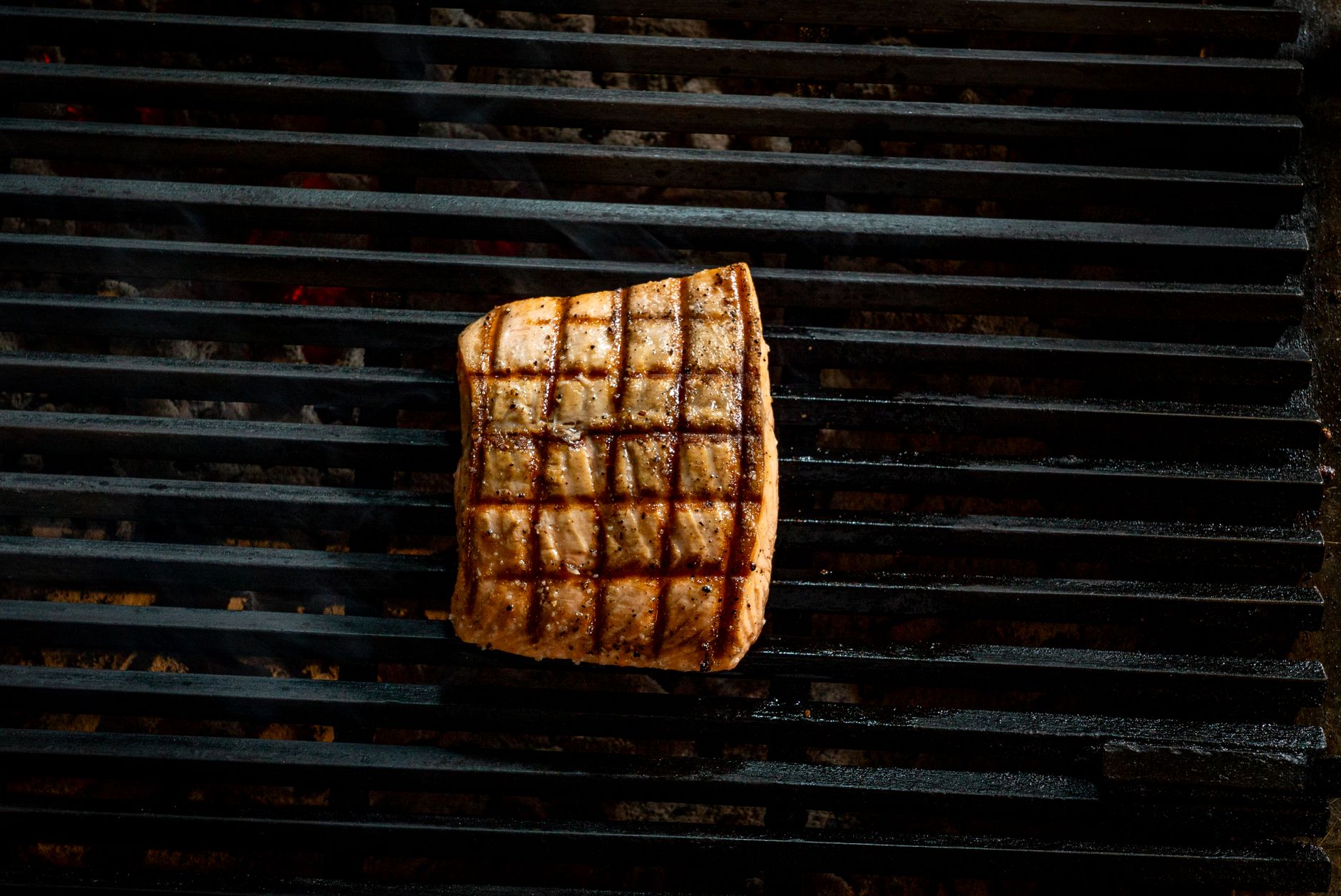
Mahi-mahi, also known as dolphin fish or dorado, is a vibrant, delicious fish that is easily identifiable by its characteristic colors and firm texture. This fish is popular in various cuisines due to its versatile nature, making it suitable for grilling, baking, broiling, and sautéing.
When cooked properly, mahi-mahi has a slightly sweet flavor and a meaty texture that pairs well with a variety of seasonings and side dishes. This article will explore several ways to cook mahi-mahi, including preparation tips, cooking times, and serving suggestions.
How Do You Cook Mahi-Mahi?
Cooking mahi-mahi involves understanding the best techniques to enhance its flavor and maintain its moisture. Whether grilling, baking, or pan-searing, you’ll learn how to prepare this delicious fish with optimal results.
Understanding Mahi-Mahi
Mahi-mahi is a tropical fish commonly found in warm ocean waters worldwide. It features a light pink to white flesh that becomes flaky when cooked. Its flavor is often described as mild but slightly sweet, making it an excellent canvas for tasty marinades and sauces.
Preparation Tips for Mahi-Mahi
Before diving into the various cooking methods, proper preparation is crucial. Here are some tips for preparing mahi-mahi:
- Choose Fresh Fish: Look for firm, bright-colored fillets with a fresh ocean smell. Avoid fish that has a dull color or a strong fishy odor.
- Thawing: If using frozen mahi-mahi, thaw it in the refrigerator overnight or under cold running water to maintain quality.
- Portioning: Mahi-mahi fillets usually come in 6 to 8-ounce portions, which are ideal for a single serving. You can adjust the size based on your needs.
- Marinating: Many cooks prefer to marinate mahi-mahi to enhance its flavor. A simple marinade can consist of olive oil, lemon juice, garlic, and herbs for up to 30 minutes before cooking.
Cooking Methods for Mahi-Mahi
Several cooking techniques can be applied to mahi-mahi, each providing a different flavor and texture. Below are some popular methods:
Grilling Mahi-Mahi
Grilling is one of the most popular methods for cooking mahi-mahi, especially in summer. This technique imparts a smoky flavor while keeping the fish moist.
Ingredients
- 4 mahi-mahi fillets (6 to 8 ounces each)
- 2 tablespoons olive oil
- Juice of 1 lemon
- 2 cloves garlic, minced
- Salt and pepper to taste
- Fresh herbs (like parsley or cilantro) for garnish
Equipment
- Grill or grill pan
- Brush for oiling
- Tongs for turning fish
- Meat thermometer
Instructions
- Preheat the grill to medium-high heat (approximately 400°F or 200°C).
- In a bowl, combine olive oil, lemon juice, minced garlic, salt, and pepper.
- Brush the mahi-mahi fillets with the marinade on both sides.
- Place the fillets on the grill grate for about 4 to 5 minutes without moving them.
- Carefully flip the fillets using tongs. Grill for an additional 3 to 5 minutes or until the fish flakes easily with a fork and is opaque in the center.
- Remove from the grill and allow to rest for a couple of minutes before serving. Garnish with fresh herbs.
Baking Mahi-Mahi
Baking mahi-mahi is an excellent method for those who prefer a healthier cooking option that requires minimal oil. The fish bakes evenly, ensuring a moist and tender result.
Ingredients
- 4 mahi-mahi fillets (6 to 8 ounces each)
- 2 tablespoons olive oil
- 1 teaspoon smoked paprika
- Salt and black pepper to taste
- 1 lemon, sliced
- Fresh dill or parsley for garnish
Equipment
- Baking sheet or dish
- Parchment paper (optional)
- Aluminum foil (optional)
- Meat thermometer
Instructions
- Preheat the oven to 375°F (190°C).
- Line a baking sheet with parchment paper or lightly grease it with olive oil.
- In a bowl, mix olive oil, smoked paprika, salt, and black pepper. Brush this mixture over both sides of the mahi-mahi fillets.
- Arrange the fillets on the prepared baking sheet and place lemon slices on top of each fillet.
- Bake in the preheated oven for approximately 15 to 20 minutes or until the fish is opaque and flakes easily with a fork.
- Garnish with fresh dill or parsley before serving.
Pan-Searing Mahi-Mahi
Pan-searing is a quick method perfect for achieving a crispy, golden crust while keeping the inside juicy and tender. It’s great for weeknight dinners.
Ingredients
- 4 mahi-mahi fillets (6 to 8 ounces each)
- 2 tablespoons olive oil
- Salt and black pepper to taste
- 1 tablespoon capers (optional)
- 1 tablespoon butter (optional)
- Lemon wedges for serving
Equipment
- Large skillet or frying pan
- Tongs or a spatula
- Meat thermometer
Instructions
- Heat olive oil in a large skillet over medium-high heat until shimmering.
- Season both sides of the mahi-mahi fillets with salt and black pepper.
- Add the fillets to the hot skillet, cooking for about 4 to 5 minutes on each side, or until golden brown and the fish flakes easily with a fork.
- If desired, add capers and butter to the pan during the last minute of cooking to create a flavorful sauce.
- Remove from heat and serve with lemon wedges.
Broiling Mahi-Mahi
Broiling is another simple and effective technique that cooks the fish quickly under high heat, giving it a delicious char and preserving moisture. Ideal for busy weeknights!
Ingredients
- 4 mahi-mahi fillets (6 to 8 ounces each)
- 2 tablespoons olive oil
- 1 teaspoon garlic powder
- Salt and pepper to taste
- Sliced jalapeños or chili flakes for heat (optional)
Equipment
- Broiler in the oven
- Baking tray
- Meat thermometer
Instructions
- Preheat the broiler in your oven and position the oven rack 6 inches from the heat.
- Line a baking tray with aluminum foil and lightly brush it with olive oil.
- Mix the olive oil, garlic powder, salt, and black pepper. Coat the mahi-mahi fillets with the mixture.
- Place the fillets on the prepared baking tray.
- Broil the fish for about 5 to 7 minutes, keeping a close watch to prevent burning. The fish should be opaque and flake easily with a fork.
Serving Suggestions
When it comes to serving mahi-mahi, the possibilities are endless. Consider these suggestions to enhance your meal:
- Pair grilled mahi-mahi with fresh mango salsa or avocado crema for a refreshing contrast.
- Serve baked mahi-mahi with a side of roasted vegetables and quinoa for a healthy dinner.
- Top pan-seared mahi-mahi with a lemon-caper butter sauce for added richness.
- Include a fresh salad or slaw to add crunch and brightness to the plate.
- Serve with jasmine rice or couscous for a filling and balanced meal.
Common Mistakes to Avoid
Here are some common pitfalls to watch out for while cooking mahi-mahi:
- Overcooking: Mahi-mahi should be cooked until it just flakes easily to avoid dryness. Use a meat thermometer to check for doneness; it should reach an internal temperature of 137°F (58°C).
- Skipping marination: A simple marinade can greatly enhance the flavor of the fish. Don’t skip this step for the best results.
- Cooking in a pan that’s not hot enough: Ensure that your grill or pan is properly heated before adding the fish to achieve a sear.
Storage and Reheating Tips
If you have leftover mahi-mahi, it’s essential to store it properly for later enjoyment. Here are some guidelines:
- Cool leftovers quickly and store them in an airtight container in the refrigerator within two hours of cooking.
- Consume refrigerated leftovers within 2-3 days for the best quality.
- To reheat, warm it gently in the oven at 350°F (175°C) until heated through. Avoid microwaving as it may result in overly dry fish.
Final Thoughts
Cooking mahi-mahi can be an easy and delicious way to include more seafood in your diet. With various cooking methods ranging from grilling to baking, there’s a technique suitable for any occasion. The key is to select quality fish, marinate it for flavor, and cook it just until flaky and tender.
Now that you have all the necessary information to cook mahi-mahi, it’s time to gather your ingredients and get started. Whether you try grilling, baking, or pan-searing, you’ll have a delightful dish ready to enjoy.
For more culinary inspiration, explore related recipes like this oven-baked mahi-mahi recipe and check out our seared ahi tuna recipe for more seafood ideas!