
Picture this: golden, flaky fish emerging from the oven with a buttery crust and a delicate interior that practically melts on your tongue. Oven-baked mahi mahi delivers restaurant-quality results with minimal fuss, making it the weeknight dinner hero you didn’t know you needed.
This recipe shines because it keeps the fish moist and tender while building incredible flavor in under 30 minutes. The beauty of mahi mahi lies in its firm, mild flesh that welcomes bold seasonings without falling apart, and baking it locks in everything you want.
You’ll walk away with a foolproof technique that works for any white fish and a dish so impressive your guests will assume you spent hours in the kitchen. Ready to impress without the stress? Let’s get cooking.
Why You’ll Love This Recipe
This oven-baked mahi mahi hits every mark for a perfect dinner. It comes together fast, tastes like you know what you’re doing, and works for weeknights and dinner parties alike.
- Ready in under 30 minutes from start to finish
- Minimal cleanup with everything baking on one sheet pan
- Naturally gluten-free and packed with protein
- Adaptable to whatever herbs and seasonings you love
- Stays incredibly moist and tender when cooked properly
My Experience Making This Recipe
I first fell in love with baked mahi mahi during a vacation in the Keys, where a local chef showed me that less is often more with fresh fish. When I returned home, I spent weeks perfecting the temperature and timing to replicate that restaurant magic in my home oven.
The first time I made it for my family, my kids actually asked for seconds, which felt like a miracle. Since then, it’s become my go-to when I want something that feels fancy but doesn’t require fussy techniques or weird ingredients.
What really won me over was how forgiving the method is and how consistent the results became once I nailed the oven temperature. Now I can whip this together on a Tuesday night with confidence, knowing it’ll turn out beautifully every single time.
Recipe Overview
- Recipe Name: Oven-Baked Mahi Mahi with Lemon Butter
- Servings: 4
- Prep Time: 10 minutes
- Cook Time: 15 minutes
- Total Time: 25 minutes
- Course: Main Dish
- Cuisine: Contemporary American
- Calories per Serving: 280
Equipment You Will Need
- Large rimmed baking sheet
- Parchment paper or aluminum foil
- Small mixing bowl
- Measuring spoons and cups
- Fish spatula or flexible metal spatula
- Instant-read thermometer
- Whisk
Ingredients for Oven-Baked Mahi Mahi
- Four 6-ounce mahi mahi fillets, skin-on or skin-off (about 1 inch thick)
- 4 tablespoons unsalted butter, softened
- 3 cloves garlic, minced
- 2 tablespoons fresh lemon juice
- 1 tablespoon fresh parsley, finely chopped
- 1 teaspoon kosher salt
- 1/2 teaspoon black pepper
- 1/2 teaspoon paprika
- Zest of 1 lemon
- 2 tablespoons extra-virgin olive oil
- Lemon slices for garnish (optional)
Ingredient Notes and Substitutions
- Mahi mahi fillets bring firm texture and mild flavor that won’t overpower delicate seasonings. Substitute with cod, halibut, or sea bass if mahi mahi isn’t available.
- Unsalted butter lets you control the salt level and carries garlic flavor beautifully. You can swap in ghee for a nuttier taste or use olive oil for a lighter version.
- Fresh lemon juice adds brightness that cuts through richness. Bottled juice works in a pinch, but fresh always tastes cleaner and more vibrant.
- Fresh parsley brightens the dish and looks beautiful on the plate. Fresh dill, tarragon, or chives work equally well depending on your mood.
- Kosher salt dissolves evenly and doesn’t overpower like table salt. Use sea salt if that’s what you have, but reduce the amount slightly.
How to Make Oven-Baked Mahi Mahi
Step 1: Preheat and Prepare Your Pan
Set your oven to 400 degrees Fahrenheit and place a rack in the upper-middle position. This temperature is high enough to cook the fish through quickly without drying it out, and the upper position helps the fish cook evenly from above.
Line a large baking sheet with parchment paper or foil for easy cleanup and even heat distribution. Drizzle the paper lightly with olive oil so the fish doesn’t stick.
Step 2: Pat the Fish Completely Dry
Remove your mahi mahi fillets from the refrigerator and pat them thoroughly dry with paper towels on both sides. Moisture on the surface prevents browning and can make the fish steam instead of bake, so don’t skip this step.
Step 3: Season the Fish
Arrange the fillets skin-side down (or presentation-side down if skinless) on the prepared baking sheet. Sprinkle each fillet evenly with salt, pepper, and paprika, dividing the seasonings equally among all four pieces.
Step 4: Make the Garlic Butter Mixture
In a small bowl, whisk together the softened butter, minced garlic, lemon juice, lemon zest, and fresh parsley until smooth and well combined. This compound butter will melt over the fish and infuse it with flavor as it bakes.
Step 5: Top Each Fillet with the Butter Mixture
Divide the garlic butter mixture evenly among the four fillets, spreading a generous dollop on top of each one. The butter will melt and create a flavorful sauce as the fish cooks, keeping everything moist and tender.
Step 6: Drizzle with Olive Oil
Drizzle the remaining olive oil around the fish on the baking sheet, not directly on top. This oil will heat up and create a gentle cooking environment that helps the fish cook evenly without drying out.
Step 7: Bake Until Just Cooked Through
Transfer the baking sheet to the preheated oven and bake for 12 to 15 minutes, depending on the thickness of your fillets. The fish is done when it flakes easily with a fork and reaches an internal temperature of 145 degrees Fahrenheit at the thickest point.
Don’t overcook it, even by a minute or two, or the mahi mahi will become dry and tough. Err on the side of pulling it out when it still looks slightly underdone because carryover cooking will finish the job.
Step 8: Rest and Garnish
Let the fish rest on the hot pan for 2 minutes before serving, allowing the carryover heat to gently finish cooking while the juices settle. Garnish with fresh lemon slices, extra parsley, and any pan juices spooned over the top.
Pro Tip: Use an instant-read thermometer to check doneness at 145 degrees Fahrenheit, the exact temperature for perfectly cooked mahi mahi without any guesswork.
Tips for the Best Oven-Baked Mahi Mahi
- Choose fillets that are roughly the same thickness so they cook evenly. If some are thicker than others, gently pound them to even them out before seasoning.
- Don’t skip patting the fish dry before cooking. This one step makes the difference between fish that browns and fish that steams.
- Bring the fillets to room temperature for 10 minutes before baking so they cook through evenly without the outside drying out first.
- Watch the fish closely during the last few minutes of cooking, especially if your oven runs hot. Overcooked fish dries out instantly and can’t be salvaged.
- Make the compound butter ahead of time and store it in the fridge, letting you assemble the entire dish in under 10 minutes on busy nights.
- Arrange the fillets with plenty of space between them on the baking sheet so heat circulates evenly and they bake rather than steam.
Common Mistakes to Avoid
- Cooking from cold: Fillets straight from the fridge cook unevenly, with dry edges and a raw center. Let them sit out for 10 minutes first.
- Overcrowding the pan: Too many fillets packed together trap steam and prevent browning. Use two baking sheets if needed.
- Skipping the dry step: Damp fish steams instead of bakes, resulting in pale, flavorless flesh. Always pat dry.
- Using water instead of butter: Olive oil and butter carry flavor and create a silky sauce. Water dilutes everything and leaves the fish bland.
- Baking at a low temperature: Temps below 400 degrees take too long and dry the fish out before it can cook through properly.
Serving Suggestions
Mahi mahi shines alongside bright, fresh sides that won’t overpower its delicate flavor. Pair it with anything from roasted vegetables to simple grains for a complete meal.
- Roasted asparagus with garlic and lemon zest
- Jasmine rice pilaf with herbs and toasted nuts
- Fresh arugula salad with shaved Parmesan and lemon vinaigrette
- Roasted baby potatoes with rosemary and sea salt
- Sauteed spinach with garlic and a squeeze of fresh lemon
Variations to Try
- Cajun-Spiced: Skip the lemon butter and coat fillets with Cajun seasoning, then top with a lime cilantro butter for a bold, spicy twist.
- Mediterranean Style: Add sliced tomatoes, Kalamata olives, and fresh oregano to the pan around the fish, creating a rustic one-pan meal.
- Coconut Curry: Replace the butter with coconut milk mixed with curry paste and fresh ginger for a warm, aromatic version.
- Herb-Crusted: Mix panko breadcrumbs with melted butter, fresh herbs, and minced garlic, then press onto the fillets before baking for extra texture.
- Asian-Inspired: Brush fillets with soy sauce, ginger, and sesame oil, then top with sliced scallions and sesame seeds for an umami-rich dish.
Dietary Adaptations
- Gluten-Free: This recipe is naturally gluten-free as written. Just verify that your seasonings and any additions are certified gluten-free.
- Dairy-Free: Replace the butter with extra-virgin olive oil or ghee, adjusting amounts to maintain richness and moisture.
- Vegan or Vegetarian: This recipe contains fish and is not suitable for vegan or vegetarian diets without substituting the mahi mahi entirely.
- Low-Carb or Keto: Mahi mahi is naturally low-carb and high-protein, making it perfect for keto diets. Serve with non-starchy vegetable sides.
Storage and Reheating
Refrigerator
Store leftover baked mahi mahi in an airtight container for up to 3 days in the refrigerator. The fish will keep its flavor and texture better if you store it in the pan juices.
- Transfer the fish and any pan juices to a glass container immediately after it cools
- Keep the container on the coldest shelf of your fridge
- Don’t store for longer than 3 days to avoid food safety issues
Freezer
Mahi mahi freezes well for up to 2 months when stored properly, though the texture may be slightly softer after thawing. Wrap each fillet individually to prevent freezer burn.
- Wrap each cooled fillet tightly in plastic wrap then foil
- Label with the date and contents before freezing
- Thaw overnight in the refrigerator before reheating
Reheating
Reheat gently in a 300-degree oven for 8 to 10 minutes, covered with foil, until warmed through. This low temperature prevents the fish from drying out further.
- Place the fish in an oven-safe dish and cover tightly with foil
- Bake at 300 degrees for 8 to 10 minutes until heated through
- Add a splash of lemon juice or broth if the fish seems dry
- Avoid microwaving, which can make the texture rubbery and dry
Nutrition Information
| Nutrient | Amount |
|---|---|
| Calories | 280 |
| Total Fat | 14g |
| Saturated Fat | 5g |
| Carbohydrates | 2g |
| Fiber | 0g |
| Sugar | 0g |
| Protein | 38g |
| Sodium | 520mg |
| Cholesterol | 95mg |
These values are estimates based on standard ingredient sizes and USDA nutritional databases. Actual nutrition may vary based on your specific ingredients and preparation method.
Frequently Asked Questions
Can I use frozen mahi mahi for this recipe?
Yes, but thaw it completely in the refrigerator overnight before cooking. Frozen fish releases excess water that prevents browning and can make the texture mushy if you don’t thaw it first.
What’s the best way to tell when the fish is done cooking?
An instant-read thermometer inserted into the thickest part should read 145 degrees Fahrenheit, or the fish should flake easily with a fork and look opaque throughout. These two methods together give you confidence without guesswork.
Can I make the compound butter ahead of time?
Absolutely, and this saves you tons of time on busy nights. Mix the butter up to 2 days ahead and store it in the refrigerator, or freeze it for up to 3 months in a small container or rolled in plastic wrap.
What if my fillets are much thicker than 1 inch?
Gently pound them to an even thickness before seasoning, or add a few extra minutes to the baking time and check the internal temperature. Consistency in thickness matters more than exact thickness for even cooking.
Can I use a different white fish instead of mahi mahi?
Yes, halibut, cod, sea bass, and flounder all work beautifully with this recipe. Adjust cooking time slightly based on thickness, as some fish cook a bit faster or slower than mahi mahi.
Should I remove the skin before or after cooking?
The choice is yours. Cooking skin-on keeps the fillet intact and easier to handle, but some people prefer skinless for a cleaner presentation. Both methods work perfectly in this recipe.
Final Thoughts
This oven-baked mahi mahi recipe proves that restaurant-quality fish doesn’t require fancy techniques or strange ingredients. You need good fish, proper heat, and a little flavored butter, and you’re already halfway to impressing yourself and everyone at your table.
Give this recipe a try this week and watch how quickly it becomes a regular rotation in your kitchen. Once you nail the timing and learn to trust your instincts, you’ll find yourself making it again and again because it always delivers.
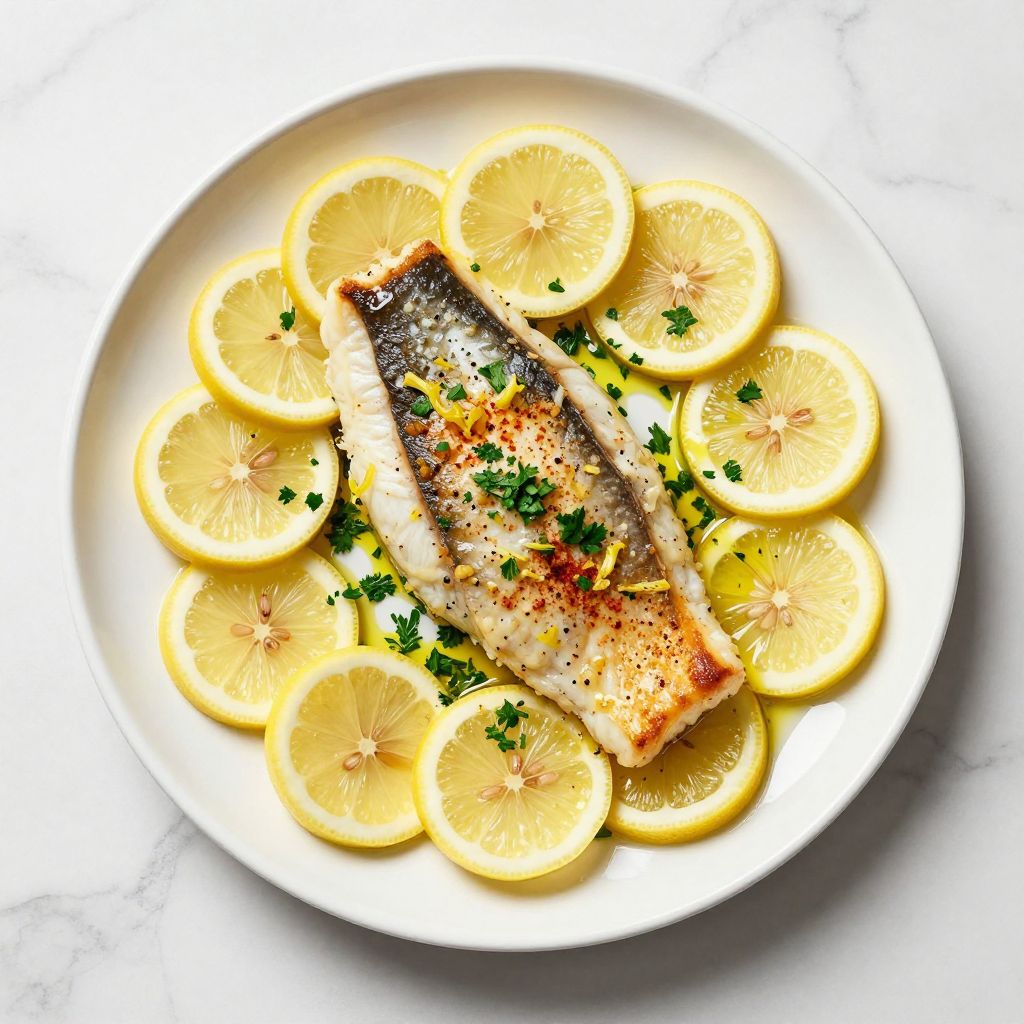
Oven-Baked Mahi Mahi with Lemon Butter
Ingredients
Equipment
Method
- Preheat oven to 400°F and place a rack in the upper-middle position. Line a large baking sheet with parchment paper or foil and drizzle lightly with olive oil.
- Remove mahi mahi fillets from the refrigerator and pat them thoroughly dry with paper towels on both sides.
- Arrange the fillets skin-side down (or presentation-side down if skinless) on the prepared baking sheet. Sprinkle each fillet evenly with salt, pepper, and paprika.
- In a small bowl, whisk together the softened butter, minced garlic, lemon juice, lemon zest, and fresh parsley until smooth and well combined.
- Divide the garlic butter mixture evenly among the four fillets, spreading a generous dollop on top of each one.
- Drizzle the remaining olive oil around the fish on the baking sheet, not directly on top.
- Transfer the baking sheet to the preheated oven and bake for 12 to 15 minutes, depending on thickness, until the fish flakes easily with a fork and reaches an internal temperature of 145°F at the thickest point.
- Let the fish rest on the hot pan for 2 minutes before serving. Garnish with fresh lemon slices, extra parsley, and spoon any pan juices over the top.