
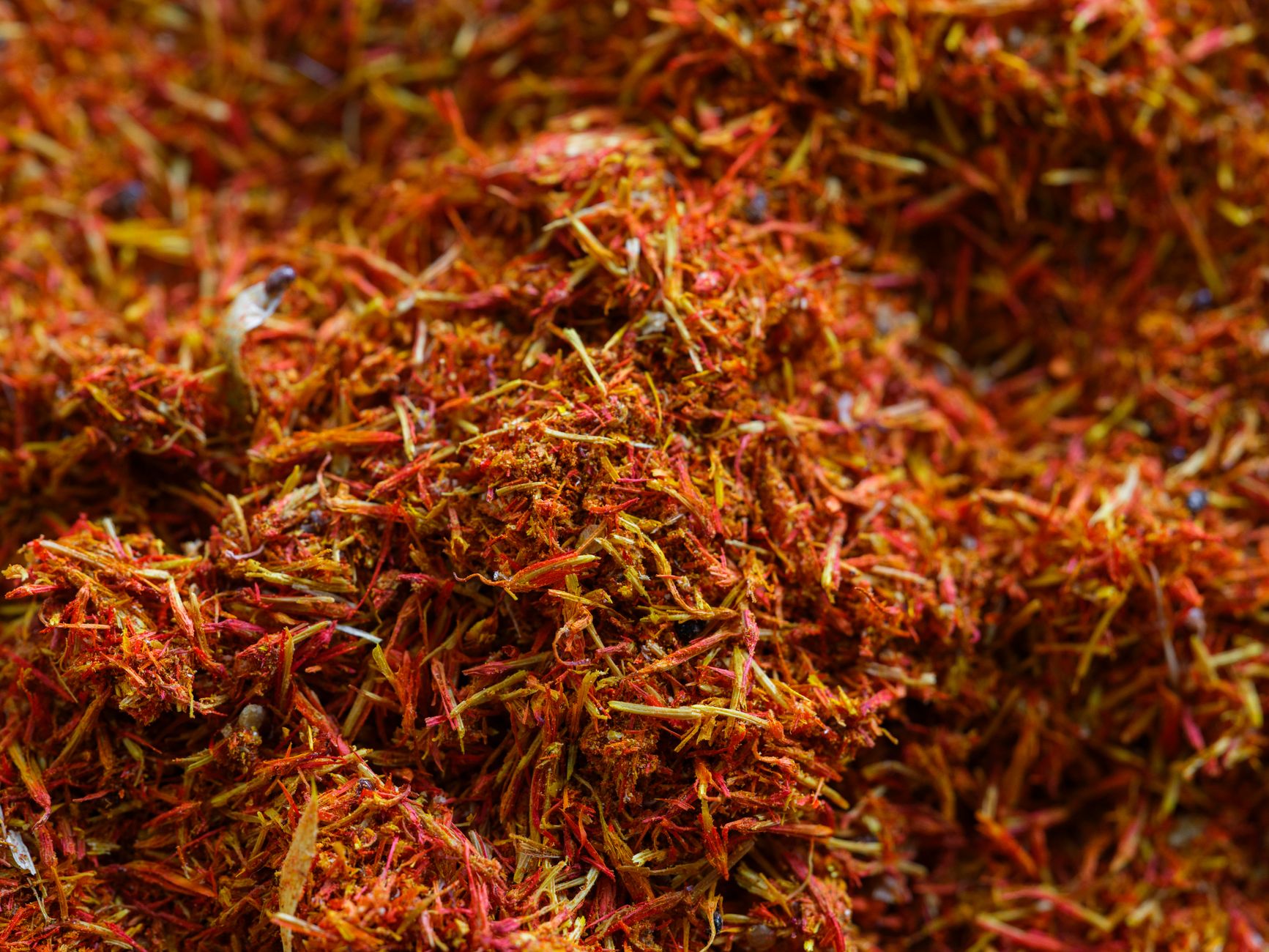
When it comes to spices, few evoke the allure and fascination of saffron. Known for its vivid color, unique flavor, and delicate texture, saffron stands out as the most expensive spice in the world. This article delves deep into the intriguing world of saffron, exploring its history, cultivation, culinary uses, and how to incorporate it into your cooking.
Understanding saffron’s price tag and elevating it from just a seasoning to an essential ingredient in a range of dishes can enhance both your cooking skills and appreciation for this remarkable spice.
What Is the Most Expensive Spice in the World?
The most expensive spice in the world is saffron, derived from the flower Crocus sativus, also known as the saffron crocus. Its cost can reach upwards of $5,000 to $10,000 per kilogram due to labor-intensive harvesting techniques and the vast number of flowers needed to yield a small quantity of spice. Each flower produces only three red stigmas, which are hand-harvested annually during a short blooming season.
The History of Saffron
Saffron has a rich and storied history, believed to have originated in the regions of Greece, Persia, and India. Ancient civilizations utilized it for culinary, medicinal, and even dyeing purposes. It was highly sought after due to its vibrant coloring and aromatic properties. In medieval Europe, saffron was considered more valuable than gold, and its price reflected its rarity.
Throughout history, saffron has been a symbol of luxury and indulgence. Various cultures have cherished it, including the Persians, who used it in traditional dishes, medicine, and even in perfumes. Today, countries like Iran, India, and Spain are leading producers of saffron, each contributing unique flavor profiles and cultivation methods to this exquisite spice.
The Cultivation of Saffron
The cultivation of saffron is a meticulous process, requiring specific climatic conditions and attention to detail. Here’s a closer look at how saffron is grown:
- Climate: Saffron crocuses thrive in areas with a Mediterranean climate, characterized by well-drained soil, ample sunlight, and mild winters.
- Planting: The saffron bulbs, called corms, are planted in summer. They require a dry period before blooming, which usually occurs in late autumn.
- Harvesting: Each flower blooms for a short time, typically lasting only a week. Harvesting takes place at dawn, as the stigmas should be collected while the flower remains fresh.
- Hand-harvesting: Skilled harvesters carefully pick each flower and extract the delicate stigma—a process that is labor-intensive and time-consuming. It takes approximately 150,000 flowers to produce one kilogram of saffron.
- Drying: The harvested stigmas need to be dried quickly and properly to preserve their flavor, color, and potency before being packaged for sale.
Culinary Uses of Saffron
Saffron’s distinct taste and aroma can elevate a wide variety of dishes. Here are some common culinary uses:
1. Rice Dishes
Saffron is famously used in rice dishes like Paella and Risotto. It adds both color and a unique flavor that complements the other ingredients.
2. Soups and Stews
Adding saffron to soups or stews imparts a warm, earthy flavor. One popular dish is Bouillabaisse, a traditional Provençal fish stew.
3. Desserts
Saffron can also be used in desserts, such as saffron-infused panna cotta or ice cream, offering a fragrant sweetness that delights the palate.
4. Baked Goods
In some cultures, saffron is used in baked goods like breads and pastries. It adds both color and an exotic flavor that sets these treats apart.
5. Beverages
Finally, saffron infusion is common in various beverages, including tea and luxurious cocktails, making your drink experience unique and sophisticated.
How to Use Saffron in Cooking
Incorporating saffron into your dishes requires a bit of knowledge to maximize its potential. Here are some essential tips:
Proper Preparation
To unlock the full flavor of saffron, it’s best to prepare it before adding it to your dish:
- Soaking: Soak saffron threads in warm water, broth, or milk for 10-15 minutes before adding them to your dish. This process helps release the color and flavor.
- Quantity: A little goes a long way. Generally, 10-15 threads will suffice for most recipes. Adjust according to your taste.
Answer Frequently Asked Questions About Saffron
Here are some common queries regarding saffron:
Can I substitute saffron with anything else?
While no spice can replicate saffron’s unique flavor, you may substitute with turmeric, albeit with a different taste. Use it sparingly to mimic the color, but keep in mind it alters the dish’s flavor profile.
How should saffron be stored?
Saffron should be stored in an airtight container in a cool, dark place. Proper storage helps preserve its aroma and flavor for up to two years.
Common Mistakes and Troubleshooting
Cooking with saffron can be daunting, especially for beginners. Here are some common mistakes to avoid:
- Adding saffron directly to hot dishes: This may lead to a loss of flavor. Always soak it first.
- Using too much: Overusing saffron can overpower other flavors. Moderation is key to achieving balance in your dish.
- Storing saffron improperly: Exposure to light, heat, and moisture can degrade saffron’s quality. Always store in a cool, dry place.
Buying and Selecting Saffron
When purchasing saffron, quality matters. Here’s how to choose the best:
- Look for deep red threads: The color should be a rich crimson, which indicates quality. Avoid yellow or orange fibers.
- Smell it: True saffron has a unique, delicate aroma. If it smells too strong or chemical, it could be adulterated.
- Check for authenticity: Purchase from reputable sources to ensure you receive pure saffron and avoid imitation products.
The Cost of Saffron
The high cost of saffron is primarily due to the labor-intensive processes involved in harvesting it. Factors contributing to its price include:
- Labor costs: Harvesting saffron is a delicate process, requiring skilled labor to hand-pick the stigmas.
- Harvesting season: Saffron blooms for a brief period annually, making it a seasonal crop.
- Supply and demand: A growing demand for saffron in culinary and cosmetic fields contributes to its high market price.
Conclusion
Saffron, as the world’s most expensive spice, offers more than just a price tag; it provides exquisite flavors, rich history, and vast culinary applications. Understanding its value, how to use it properly, and where to find quality saffron can enhance your cooking experience significantly. As you embrace saffron in your culinary endeavors, remember its nuances and potential to elevate your dishes.
Explore related topics to expand your culinary knowledge and enhance your cooking journey. Consider learning more about saffron’s unique flavor by visiting our page on what saffron tastes like, or delve deeper into saffron with our guide on what is the most expensive spice in the world.