
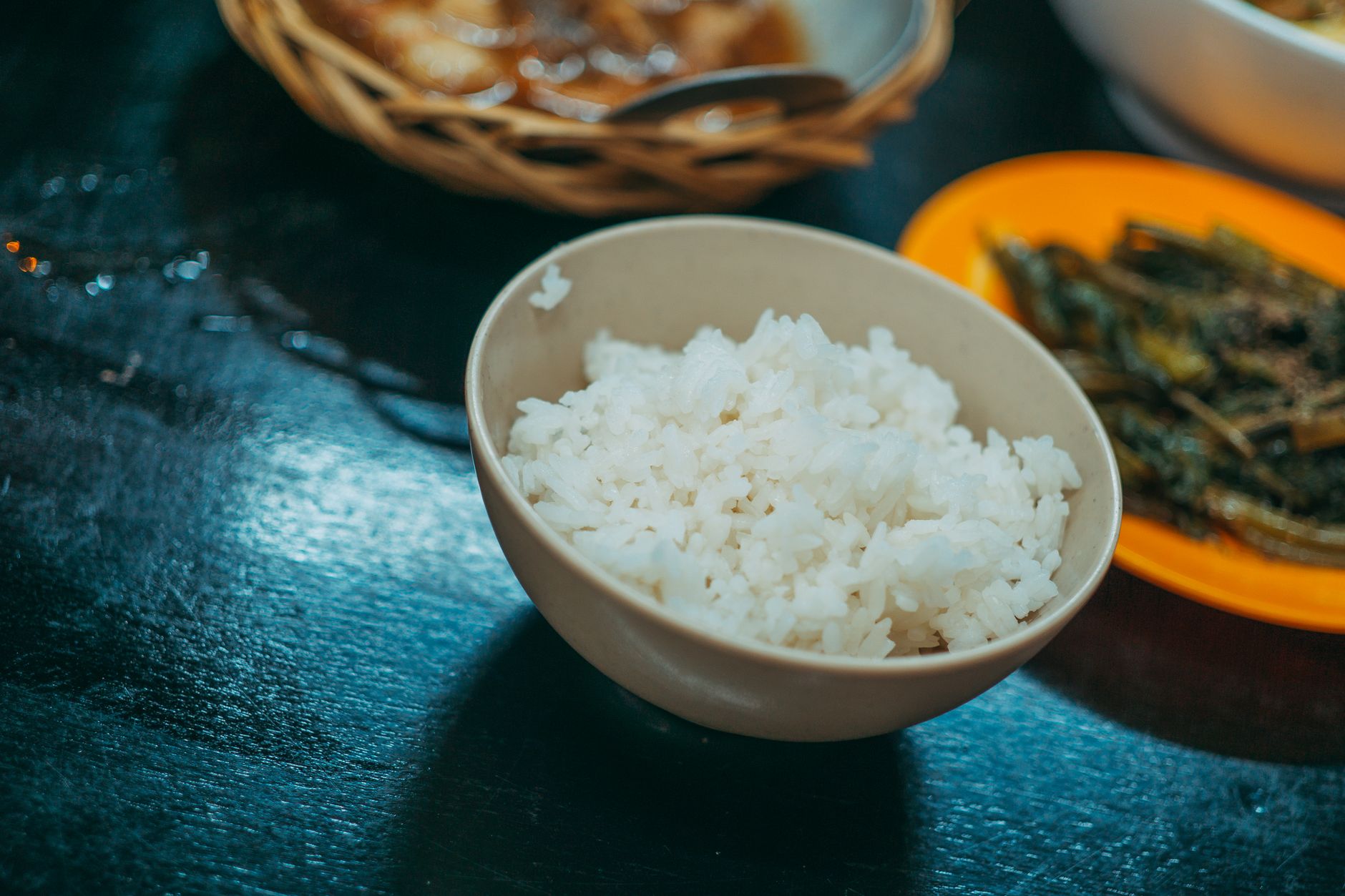
Cooking rice is a fundamental skill that opens the door to countless delicious meals. Whether you’re preparing a simple side dish or a hearty main course, understanding how to cook rice perfectly is essential. This guide will cover everything from preparation and cooking methods to serving suggestions, ensuring you can achieve fluffy, flavorful rice every time.
Rice is a versatile staple enjoyed worldwide, and mastering its preparation can elevate any dish. Read on to learn the ins and outs of cooking rice, including tips for different types of rice, common mistakes, and variations to enhance flavor.
How Cook Rice?
To cook rice, rinse it to remove excess starch, measure the rice and water accurately, and cook it with the right method to achieve fluffy results. Common methods include the stovetop method and the rice cooker. This article will guide you through each step in detail.
Types of Rice
Before cooking rice, it’s essential to understand the different types available, as each variety has unique cooking requirements.
- Long-Grain Rice: Examples include Basmati and Jasmine rice. It tends to stay separate and fluffy when cooked, making it ideal for pilafs and stir-fries.
- Medium-Grain Rice: Varieties like Arborio are creamier and are used in dishes like risotto or paella.
- Short-Grain Rice: Sushi rice is a common short-grain type that is sticky and ideal for sushi and rice balls.
- Brown Rice: Whole grain and nuttier in flavor, brown rice has more fiber and takes longer to cook than white rice.
- Wild Rice: Not actually rice, but a grain that offers a unique flavor and requires longer cooking time.
Essential Equipment for Cooking Rice
Having the right tools can simplify cooking rice and yield better results. Here’s what you’ll need:
- Heavy-bottomed saucepan with a tight-fitting lid
- Measuring cups and spoons
- Colander or fine-mesh sieve for rinsing
- Rice cooker (optional but convenient)
- Fork for fluffing
Preparation: Rinsing the Rice
Rinsing rice is often a crucial step that helps prevent it from becoming overly sticky and gummy. Here’s how to do it:
- Measure the amount of rice you need.
- Place the rice in a colander or a bowl and rinse it under cold water. Swirl the rice gently with your fingers to ensure even rinsing.
- Continue rinsing until the water runs clear, indicating that the excess starch has been removed.
Cooking Methods
Below are two popular methods for cooking rice: the stovetop method and the rice cooker method.
Stovetop Method
The stovetop method is versatile and requires minimal equipment. Follow these steps:
- After rinsing, measure the rice and water. The general rule is 1 part rice to 2 parts water for white rice. Check the specific ratio for brown rice or specialty varieties.
- In a heavy-bottomed saucepan, combine the rinsed rice and the appropriate amount of water.
- Add a pinch of salt and a splash of olive oil or butter for added flavor (optional).
- Bring the mixture to a boil over medium-high heat, then reduce the heat to low and cover the saucepan with a tight-fitting lid.
- Simmer for 18-20 minutes for white rice or 40-45 minutes for brown rice without lifting the lid.
- Once the water is absorbed and the rice is cooked, remove the saucepan from the heat and let it sit, covered, for an additional 5-10 minutes.
- Fluff the rice gently with a fork before serving.
Rice Cooker Method
A rice cooker simplifies the process and ensures perfectly cooked rice. Here’s how to use one:
- Rinse the rice as described earlier.
- Place the rinsed rice in the rice cooker and add the corresponding amount of water according to the manufacturer’s instructions (usually 1 cup rice to 2 cups water).
- Add any desired seasonings, such as salt or butter.
- Close the lid and start the rice cooker. It will automatically adjust cooking time based on the amount of rice.
- Once the cooking cycle is complete, let the rice sit for 5-10 minutes before opening the lid.
- Fluff the rice with a fork before serving.
Common Mistakes When Cooking Rice
A few common pitfalls can lead to rice cooking disasters. Here’s how to avoid them:
- Not Rinsing: Failing to rinse can result in sticky rice. Always rinse your rice thoroughly.
- Incorrect Water Ratio: Using too much water results in mushy rice, while too little will leave the rice undercooked. Measure accurately.
- Lifting the Lid: Removing the lid during cooking releases steam. Keep it closed!
- Not Letting It Rest: Allowing the rice to rest after cooking improves texture. Don’t skip this step!
Serving Suggestions for Rice
Rice can be served in a variety of ways, making it a versatile side or base for many dishes. Here are some serving suggestions:
- As a base for stir-fry, topped with vegetables and protein.
- In a bowl with curry, chili, or soup.
- As a side dish, seasoned with herbs, spices, or fried onions.
- In salads with vegetables, nuts, and a dressing.
Flavor Variations
Add variety to your rice by incorporating different flavors. Here are some ideas to experiment with:
- Herbs and Spices: Cook rice with bay leaves, thyme, or saffron for added aroma.
- Broth Instead of Water: Substitute water with vegetable or chicken broth for more depth of flavor.
- Coconut Milk: Use coconut milk instead of water for a creamy, tropical flavor.
- Zest and Citrus: Add lemon or lime zest for a refreshing taste.
Storage and Reheating Rice
Knowing how to store and reheat rice properly is crucial for food safety and quality. Here are some guidelines:
- Cooked rice should be cooled quickly and stored in an airtight container in the refrigerator for up to 4 days.
- For longer storage, freeze cooked rice in portions for up to 6 months. Ensure it is completely cooled before freezing.
- To reheat, add a splash of water to the container and cover to create steam. Microwave in 1-minute intervals until heated through.
Rice Cooking FAQs
Here are answers to common questions about cooking rice:
- Can I cook rice without rinsing it? Yes, but rinsing removes excess starch and prevents it from becoming gummy.
- What to do if my rice is too sticky? If your rice turns out sticky, you can rinse it again. For future cooking, ensure you rinse thoroughly and measure water accurately.
- How do I flavor rice while cooking? Add spices, herbs, or broth to the cooking water to infuse flavors directly.
Common Rice Variants and Their Uses
Each type of rice has its specific culinary uses. Here’s an overview:
- Basmati: Ideal for pilafs and Indian dishes.
- Arborio: Perfect for creamy risottos.
- Sushi Rice: Best for making sushi rolls.
- Brown Rice: Great for salads or as a healthy side.
- Wild Rice: Excellent in hearty dishes and salads.
Make-Ahead Tips
Preparing rice in advance can save time on busy days. Here are some tips:
- Cook a large batch of rice and portion it out for different meals throughout the week.
- Use pre-cooked rice varieties available in stores for instant meals.
- Mix cooked rice with vegetables or proteins to create quick meal prep options.
Now that you’re equipped with the know-how on cooking rice, it’s time to put these tips into practice and experiment with your favorite varieties and flavors. Rice can be a blank canvas or the star of your dish, and learning to cook it well is a valuable culinary skill.
For more techniques on cooking rice, check out how many cups of water for 1 cup of rice and explore a delicious Puerto Rican rice recipe. Elevate your cooking repertoire with these essential guides.