
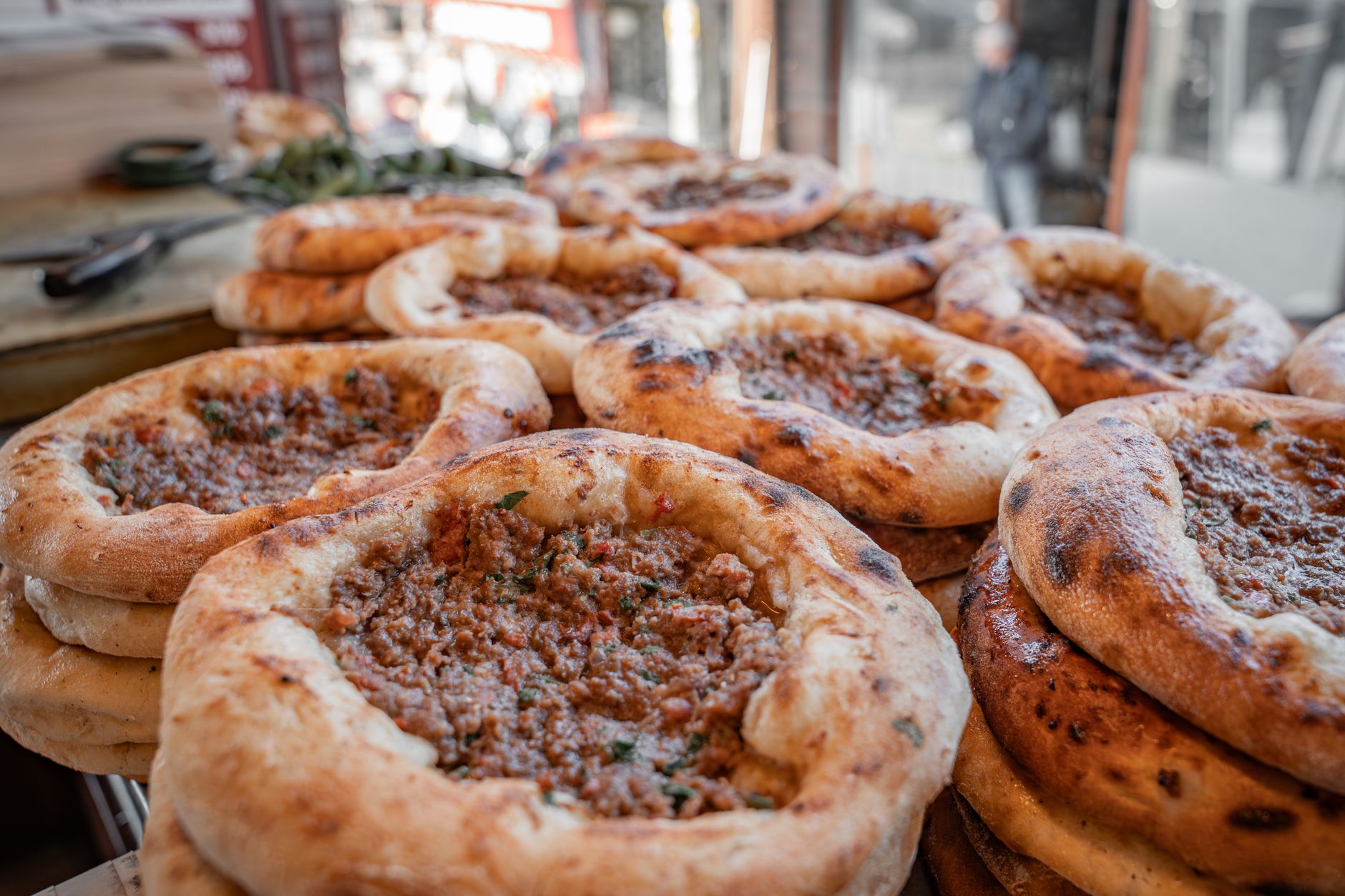
Pita bread is a staple in many cuisines around the world, cherished for its versatility and unique pocket-like structure. But with the rising interest in health and nutrition, many people are asking the question: Is pita bread fattening? Understanding pita bread’s nutritional value and how it fits into a balanced diet can help you make informed choices.
This article delves into the composition of pita bread, its potential impact on weight, and practical suggestions for incorporating it into meals while maintaining a healthy lifestyle.
Is Pita Bread Fattening?
Pita bread is not inherently fattening. It is relatively low in calories compared to other types of bread, particularly when measured by the serving size. However, the overall impact on weight management depends on factors like portion size, toppings, and balance within your overall diet.
Nutritional Profile of Pita Bread
Understanding the nutritional content of pita bread helps clarify its place in a healthy diet. Here’s a typical breakdown for a standard 60-gram (approximately 2-ounce) serving of whole wheat pita bread:
- Calories: 170
- Carbohydrates: 36 grams
- Protein: 6 grams
- Fat: 1 gram
- Fiber: 2-3 grams
- Sodium: 300 mg
Whole wheat pita bread contains various nutrients such as B vitamins, iron, magnesium, and zinc and offers more fiber than white pita, contributing to improved digestion and a feeling of fullness.
How Pita Bread Fits into a Healthy Diet
Pita bread can be part of a healthy eating plan when consumed in moderation and paired with nutritious fillings and toppings. Its low fat content is ideal for those monitoring their fat intake. However, moderation and combination with other healthy foods are essential for maintaining balance.
Servings and Portions
One serving of pita bread typically consists of one pita. Depending on your dietary goals and energy needs, you can consume one to two servings per meal. For example, a meal could include one stuffed pita with protein, vegetables, and healthy fats.
Choosing the Right Type of Pita Bread
Not all pita bread is created equal. Several types exist, with whole wheat and sprouted varieties often being the healthiest options:
- Whole Wheat Pita: Offers more fiber and nutrients than traditional white pita, making it a better choice for those focused on health.
- Sourdough Pita: Typically easier to digest due to the fermentation process, which can also enhance flavor.
- Gluten-Free Pita: Made with alternative flours, suitable for individuals with gluten intolerance. Nutritional content may vary.
Common Ingredients in Pita Bread
Pita bread is primarily made from basic ingredients. Here are the most common ones:
- Flour (usually wheat or a gluten-free alternative)
- Water
- Yeast
- Salt
The simplicity of these ingredients contributes to the healthfulness of pita bread, especially when made from whole grain or sprouted grains. Always check the ingredient list for added sugars or preservatives, which can increase the calorie content.
How to Use Pita Bread in Meals
Pita bread is versatile and can complement many meals. Here are some tips on how to incorporate it into your diet:
- Wraps and Sandwiches: Use pita pockets to fill with lean proteins such as grilled chicken, turkey, falafel, or tofu paired with fresh vegetables and healthy sauces.
- Dips and Spreads: Cut pita into triangles and serve with hummus, tzatziki, or baba ganoush for a light snack.
- Salads: Crumble or toast pita pieces for added crunch in salads.
- Breakfast: Top with spreads like almond butter or avocado for a nutritious start to your day.
Popular Dishes Featuring Pita Bread
Pita bread features prominently in various cuisines, especially Mediterranean and Middle Eastern dishes. Here are some classic examples:
- Gyro: A Greek dish made with meat cooked on a vertical rotisserie, served in pita bread with toppings like tomatoes, onion, and tzatziki sauce.
- Falafel: Deep-fried chickpea balls served in pita with salad and sauces, providing a vegetarian protein option.
- Shawarma: Spiced meats cooked on a rotating spit, sliced and served in pita with vegetables and various sauces.
Pita Bread: A Healthy Snack Option
When considering snacks, pita bread is a health-conscious choice due to its low calorie count and versatility. Here are some quick snack ideas:
- Pita Chips: Cut pita bread into triangles, brush with olive oil, sprinkle with salt, and bake until crispy.
- Pita and Hummus: Enjoy pita with a side of hummus for a balanced snack rich in protein and fiber.
- Stuffed Pita: Fill with tuna salad, egg salad, or sliced cucumbers for a satisfying midday snack.
Potential Health Considerations When Eating Pita Bread
While pita bread can be a healthful addition to your diet, there are a few considerations to keep in mind:
- Portion Control: Eating too many pita breads can lead to excess calorie intake, particularly if toppings are calorie-dense.
- High-Sodium Options: Some store-bought pitas may contain higher sodium levels; it’s best to check labels or consider making your own.
- Empty Carbohydrates: While pita provides carbohydrates for energy, combining it with fibers and proteins helps maintain blood sugar levels.
Making Your Own Pita Bread
If you prefer to control the ingredients and freshness, making your own pita bread at home can be a rewarding experience. Here is a simple guide to follow:
Ingredients
- 2 cups whole wheat flour
- 1 teaspoon active dry yeast
- 1 teaspoon salt
- 3/4 cup warm water
- 1 tablespoon olive oil (optional)
Equipment Needed
- Mixing bowl
- Rolling pin
- Baking sheet
- Oven
Instructions
- In a small bowl, combine warm water and yeast. Let it sit for about 5-10 minutes until it becomes frothy.
- In a mixing bowl, combine the flour and salt. Create a well in the center and pour in the yeast mixture and olive oil.
- Knead the dough until smooth (about 5-7 minutes). If the dough is sticky, add small amounts of flour as needed.
- Place the dough in a greased bowl, cover with a cloth, and let rise in a warm area for about 1 hour or until it doubles in size.
- Preheat your oven to 475°F (245°C) and place a baking sheet inside to heat up.
- Once the dough has risen, punch it down and divide it into 6 equal pieces. Roll each piece into a disc about 1/4 inch thick.
- Carefully place the rolled-out pita on the preheated baking sheet. Bake for about 5-7 minutes, watching closely as they puff up.
- Remove from the oven and let cool before storing or using.
Common Mistakes When Making Pita Bread
When making pita bread, some common mistakes can affect the outcome:
- Using Cold Water: Warm water is crucial for activating yeast; cold water will hinder the rising process.
- Overkneading the Dough: Kneading should be sufficient to create a smooth texture, but overworking can lead to dense bread.
- Incorrect Oven Temperature: If the oven is not hot enough, the pita won’t puff properly, leading to a flat bread.
Storage and Reheating Tips for Pita Bread
Proper storage is vital for extending the lifespan of pita bread:
- Short-Term Storage: Store pita bread in a sealed plastic bag at room temperature for 2-3 days.
- Long-Term Storage: For extended freshness, freeze pita bread in an airtight container for up to 3 months. Thaw in the refrigerator or at room temperature before use.
- Reheating: Warm in an oven or toaster to restore softness and texture before serving.
Conclusion
Pita bread, when consumed mindfully and paired with nutritious ingredients, is not fattening and can be part of a balanced diet. As you incorporate it into your meals, be mindful of portion sizes and combinations to ensure it enhances your overall health. Always opt for whole wheat or sprouted options when possible to maximize nutritional benefits.
Explore more delicious ideas and tips, such as making freezing tortillas or trying a fry bread recipe to expand your culinary repertoire. Your journey toward exploring diverse and healthy foods is just beginning!