
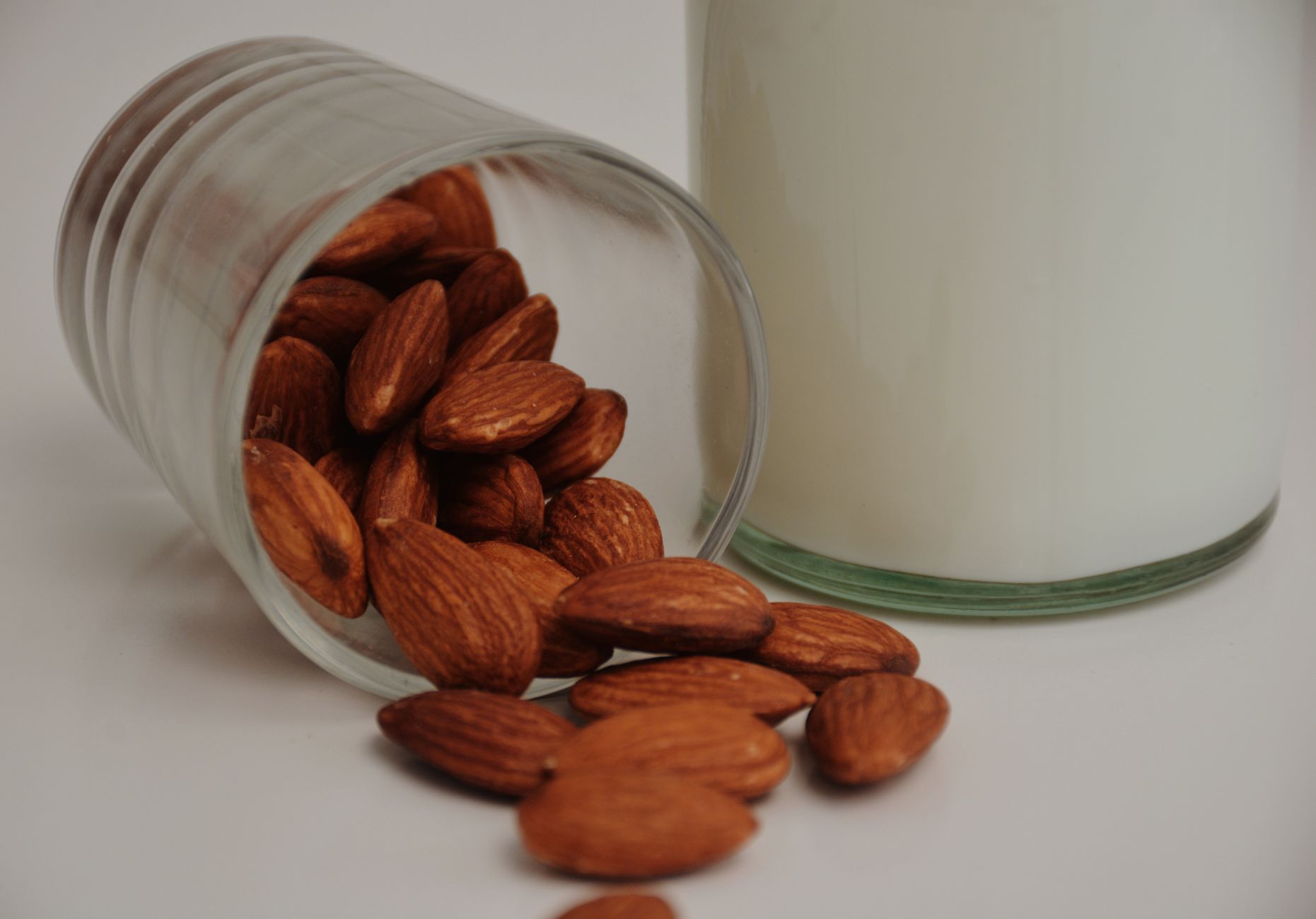
Almond milk has increasingly gained popularity as a dairy alternative, especially among those seeking low-calorie or lactose-free options. But does almond milk have fewer calories than regular milk? Understanding the calorie differences and nutritional profiles of these two options can help you make informed dietary choices.
This article delves into the caloric content of almond milk compared to regular milk, exploring their nutritional benefits, cooking uses, and even some practical tips on incorporating them into your diet.
Does Almond Milk Have Less Calories Than Regular Milk?
Yes, almond milk typically contains fewer calories than regular cow’s milk. A standard serving of unsweetened almond milk (about 1 cup) generally has around 30-40 calories, while a similar serving of whole cow’s milk contains approximately 150 calories. However, it’s essential to consider the various types of milk and their sugar content, which can affect the overall calorie count.
Caloric Breakdown: Almond Milk vs. Regular Milk
Nutritional Comparison
| Type of Milk | Calories (per 1 cup) | Protein (g) | Fat (g) | Carbohydrates (g) | Calcium (% DV) |
|---|---|---|---|---|---|
| Unsweetened Almond Milk | 30-40 | 1 | 2.5 | 1 | 45% |
| Whole Cow’s Milk | 150 | 8 | 8 | 12 | 30% |
| Skim Cow’s Milk | 80-90 | 8 | 0.5 | 12 | 30% |
| 1% Cow’s Milk | 100-110 | 8 | 2.5 | 12 | 30% |
The difference in calories between almond milk and regular milk is especially notable when you compare unsweetened almond milk with whole cow’s milk. The lower calorie count in almond milk often makes it a popular choice among those looking to manage their weight or reduce caloric intake.
Understanding Different Varieties
When comparing milk types, it’s crucial to recognize that variations exist. Regular cow’s milk comes in several fat contents—whole, 2%, 1%, and skim—which significantly impacts their calorie counts. Additionally, flavored or sweetened almond milk options can contain more calories due to added sugars. For example, sweetened almond milk may have 60-80 calories per cup, which begins to narrow the gap in caloric difference with lower-fat cow’s milk varieties.
Nutritional Benefits of Almond Milk
Vitamins and Minerals
Almond milk is often fortified with vitamins and minerals, such as:
- Vitamin D
- Vitamin E
- Calcium
- Magnesium
These nutrients can help support overall health and well-being. Vitamin E, in particular, is known for its antioxidant properties, which can be beneficial in combating free radicals in the body.
Lactose-Free and Plant-Based Option
One of the standout features of almond milk is that it is lactose-free, making it suitable for individuals who are lactose intolerant or have a dairy allergy. Additionally, as a plant-based product, it appeals to vegans and those looking to reduce their animal-product consumption.
Uses of Almond Milk and Regular Milk in Cooking
Culinary Applications
Both almond milk and regular milk can add flavor and texture to various dishes. Here are some common ways to incorporate them:
- Baking: Almond milk can be used in muffin, cake, or pancake batters as a substitute for regular milk, imparting a slightly nutty flavor.
- Cooking: Use almond milk in creamy soups, sauces, or casseroles. It may alter the flavor slightly but can still yield satisfying results.
- Cereal and Oatmeal: Pouring almond milk over cereal or using it to cook oatmeal can enhance your breakfast while keeping calorie counts lower.
- Smoothies: Almond milk serves as an excellent base for smoothies and shakes, adding creaminess without excess calories.
Practical Cooking Substitutions
If you find yourself without regular milk, here are some case scenarios where almond milk can effectively serve as a substitute:
- For every cup of regular milk, you can typically use one cup of unsweetened almond milk. Adjustment in flavor may be necessary, especially in savory dishes.
- In baked goods, note that almond milk has a lighter consistency, so starting with a small amount and gradually adding until reaching the desired texture is advisable.
Common Mistakes and Troubleshooting
Choosing the Right Type
When selecting almond milk, be cautious of flavored or sweetened varieties, as they can significantly increase caloric content. Always opt for unsweetened versions if you’re tracking calories closely.
Cooking and Baking Observations
In baked goods, almond milk may lead to a slightly different texture than regular milk. If you notice your baked product is too dry, consider adding a bit more almond milk for moisture.
Storage and Shelf Life
Almond Milk
Unopened almond milk can last for several months past its printed expiration date if stored in a cool, dry place. Once opened, it should be refrigerated and consumed within 7-10 days. Always check for off smells or changes in texture before using.
Regular Milk
Regular milk typically lasts about a week past its expiration date when refrigerated. Ultra-pasteurized varieties might last longer, but it’s wise to monitor freshness. Look out for sour smells and curdling as indicators of spoilage.
Conclusion
In summary, almond milk does indeed have fewer calories compared to regular cow’s milk, especially when choosing unsweetened varieties. Each type of milk offers unique nutritional benefits, making them suitable for different dietary needs and preferences. Whether you enjoy almond milk for its low-calorie profile or regular milk for its protein content, understanding the nuances can assist in meal planning and ingredient selection.
For those interested in experimenting with plant-based alternatives, consider making chia pudding with coconut milk or try whipping up dairy-free pancakes. Expanding your culinary repertoire with these alternatives can be both delicious and beneficial for your health.