
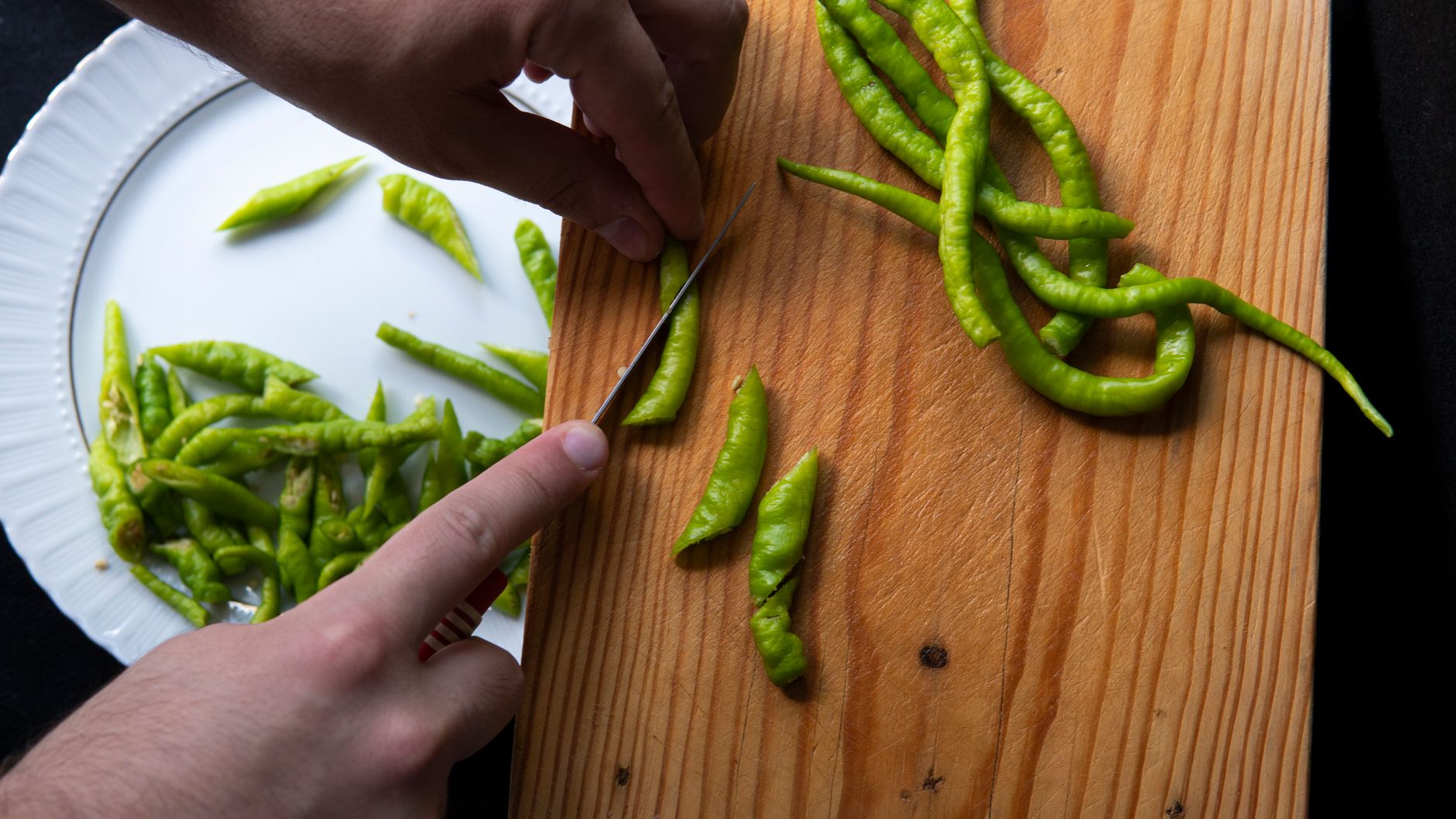
Green peppers, often called bell peppers, are versatile vegetables that add flavor, crunch, and color to a variety of dishes. They are a staple in many cuisines and can be enjoyed in salads, stir-fries, sandwiches, and more.
In addition to their culinary uses, green peppers offer numerous nutritional benefits that can contribute to a healthy diet. This article explores what green peppers are good for, their nutritional content, portion sizes, and practical cooking tips.
What Are Green Peppers Good For?
Green peppers are good for adding flavor and nutrients to a wide range of dishes. They are low in calories but rich in vitamins A and C, making them a great addition to salads, salsas, and stir-fries.
Additionally, their crisp texture and mild taste make them an excellent ingredient for stuffing, stir-frying, or slicing as a snack.
Nutritional Benefits of Green Peppers
Understanding the nutritional profile of green peppers can help you appreciate their role in a balanced diet. Here is a breakdown of the key nutrients found in green peppers:
- Low in Calories: Green peppers contain about 20 calories per medium-sized pepper, making them a low-calorie food choice.
- High in Vitamins: They are an excellent source of vitamin C, which supports the immune system and promotes skin health. A single medium green pepper can provide 120% of the daily recommended intake of vitamin C.
- Antioxidants: Green peppers contain antioxidants that combat oxidative stress and inflammation in the body.
- Fiber: They provide dietary fiber, which promotes digestive health.
- Vitamin A: While not as rich in vitamin A as their yellow or red counterparts, green peppers still contribute to eye health and immune function.
Portion Sizes and Serving Suggestions
Portion sizes can vary depending on individual dietary needs, but general servings can help guide consumption:
- Raw Snacks
- Salads: Typically, half a medium pepper adds flavor, color, and crunch to a salad without overwhelming the dish.
- Stuffed Peppers: When used as a stuffing base, one large green pepper serves about two people when filled, depending on the stuffing’s richness.
Cooking Techniques for Green Peppers
Green peppers can be enjoyed in many cooking methods. Here are some popular techniques:
Raw
Raw green peppers can add a refreshing crunch to salads, sandwiches, and wraps. They are often sliced into sticks as a healthy snack or served with dips.
Roasting
Roasting intensifies the flavor and sweetness of green peppers. To roast them:
- Preheat the oven to 425°F (220°C).
- Wash and slice the green peppers into quarters, removing the seeds and membranes.
- Toss the peppers with olive oil, salt, and pepper.
- Spread them on a baking sheet in a single layer.
- Roast for 20-25 minutes or until the edges are slightly charred and tender.
Grilling
Grilled green peppers add a smoky flavor to dishes. To grill:
- Preheat the grill to medium-high heat.
- Cut the peppers into large pieces or leave them whole if using skewers.
- Toss with olive oil, salt, and any preferred seasoning.
- Grill for 5-7 minutes on each side, or until tender and charred.
Sautéing
Sautéing is ideal for incorporating green peppers into stir-fries and other quick dishes. Here’s how to do it:
- Heat a tablespoon of oil in a pan over medium heat.
- Slice the green peppers into strips and add them to the pan.
- Sauté for 5-7 minutes until they are tender but still crisp.
Stuffing
Stuffed green peppers are a classic dish. Follow these steps to prepare them:
- Preheat the oven to 375°F (190°C).
- Cut the top off each green pepper and remove the seeds and membranes.
- Prepare your stuffing (rice, quinoa, meat, or vegetables) and fill the peppers.
- Place the stuffed peppers in a baking dish and cover with tomato sauce or broth.
- Bake for 25-30 minutes, until the peppers are tender.
Common Mistakes When Cooking with Green Peppers
While cooking with green peppers, it’s easy to encounter some common pitfalls. Here are a few mistakes to avoid:
- Overcooking: Green peppers lose their crisp texture when cooked too long. Cook just until they are tender but still retain some crunch.
- Using Ripened Peppers: Many cooks mistakenly use ripe peppers in recipes meant for green ones, altering the dish’s flavor and sweetness.
- Ignoring the Seeds: The inner membranes and seeds can impart a bitterness to dishes if not removed. Always ensure they are cleaned properly.
Practical Substitutes for Green Peppers
If you find yourself without green peppers or prefer something else, consider these substitutes:
- Other Bell Peppers: Yellow or red bell peppers can replace green peppers; they will add more sweetness.
- Cucumber: For raw applications like salads, cucumber can provide a similar crunch.
- Zucchini: For cooked dishes, zucchini can be a good substitute in stir-fries.
Storing Green Peppers
Proper storage can extend the freshness of green peppers:
- Refrigeration: Store whole green peppers in a plastic bag in your refrigerator. They can last up to a week.
- Freezing: If you want to store green peppers for a longer time, wash, cut, and blanch them for a couple of minutes before freezing.
Health Considerations
While green peppers are generally safe for most people to consume, it’s important to consider specific dietary restrictions:
- Allergies: Those with a nightshade allergy should avoid bell peppers altogether.
- IBS and FODMAP: Some individuals with irritable bowel syndrome may experience adverse effects from consuming bell peppers due to their fructan content.
Flavor Pairings
Green peppers have a mild flavor profile that pairs well with various ingredients. Here are some popular pairings:
- Cheeses: Great coupled with cheeses like feta, cheddar, or mozzarella.
- Herbs: Basil, oregano, and parsley enhance their freshness.
- Proteins: Ground meats, beans, and grainless proteins like chickpeas complement green peppers perfectly.
Recipes Featuring Green Peppers
Incorporating green peppers into recipes can enrich meals. Here are a couple of ideas for inspiration:
Stuffed Green Peppers
This classic dish involves hollowing out green peppers and filling them with a mix that can include rice, beans, vegetative pieces, or ground meats.
Green Pepper Stir-Fry
A simple stir-fry using green peppers, onions, and your choice of protein can create an easy, healthy weeknight dinner.
Green Pepper Salsa
Chop green peppers with tomatoes, onions, cilantro, and lime juice for a fresh salsa that adds zest to chips and tacos.
Final Thoughts
Green peppers are versatile, nutritious vegetables that can enhance the flavor and texture of many dishes. With their low-calorie count and rich vitamin profile, they’re a smart choice for health-conscious cooking. Whether you’re using them in salads, stir-fries, or stuffed dishes, the culinary possibilities are extensive.
To incorporate green peppers into your meals, consider making stuffed peppers for a hearty main or a vibrant salad that highlights their crispness. Explore additional recipes and tips to make the most of this colorful ingredient.
For more cooking ideas, check out what to serve with stuffed peppers or explore an unstuffed peppers recipe for a quick meal option.