
Sweet potatoes are a nutritious and versatile ingredient that can enhance various dishes, from savory sides to sweet desserts. Cooking them at 400°F (200°C) is a popular method, yielding beautifully tender and slightly caramelized potatoes. In this article, we will address how long to cook sweet potatoes at 400°F, plus provide cooking techniques, tips for doneness, and other essential information.
Whether you’re roasting, baking, or prepping for a meal, understanding the cooking times and techniques for sweet potatoes will help you achieve the perfect result each time. Let’s delve into the details of cooking sweet potatoes at this ideal temperature.
How Long to Cook Sweet Potato at 400?
The general time for cooking whole sweet potatoes at 400°F is about 45-60 minutes. However, the exact cooking duration can vary based on the size and method of preparation, such as baking whole, cubing, or roasting. Here’s a closer look at the various methods and times involved.
Cooking Methods for Sweet Potatoes at 400°F
Sweet potatoes can be prepared in several ways, each yielding slightly different textures and flavors. Below are some common methods along with their cooking times.
Baking Whole Sweet Potatoes
Baking whole sweet potatoes is one of the simplest and healthiest ways to prepare them. This method allows the sweet potato’s natural sweetness to develop fully.
- Preparation Time: 10 minutes
- Cooking Time: 45-60 minutes
- Total Time: 55-70 minutes
- Preheat your oven to 400°F (200°C).
- Wash sweet potatoes thoroughly under cold water and pat them dry.
- Pierce each sweet potato several times with a fork to allow steam to escape during cooking.
- Optionally, rub the skin with olive oil and sprinkle with salt for added flavor.
- Place the sweet potatoes directly on the oven rack or on a baking sheet.
- Bake for 45-60 minutes or until a fork easily pierces through the thickest part.
Roasting Cubed Sweet Potatoes
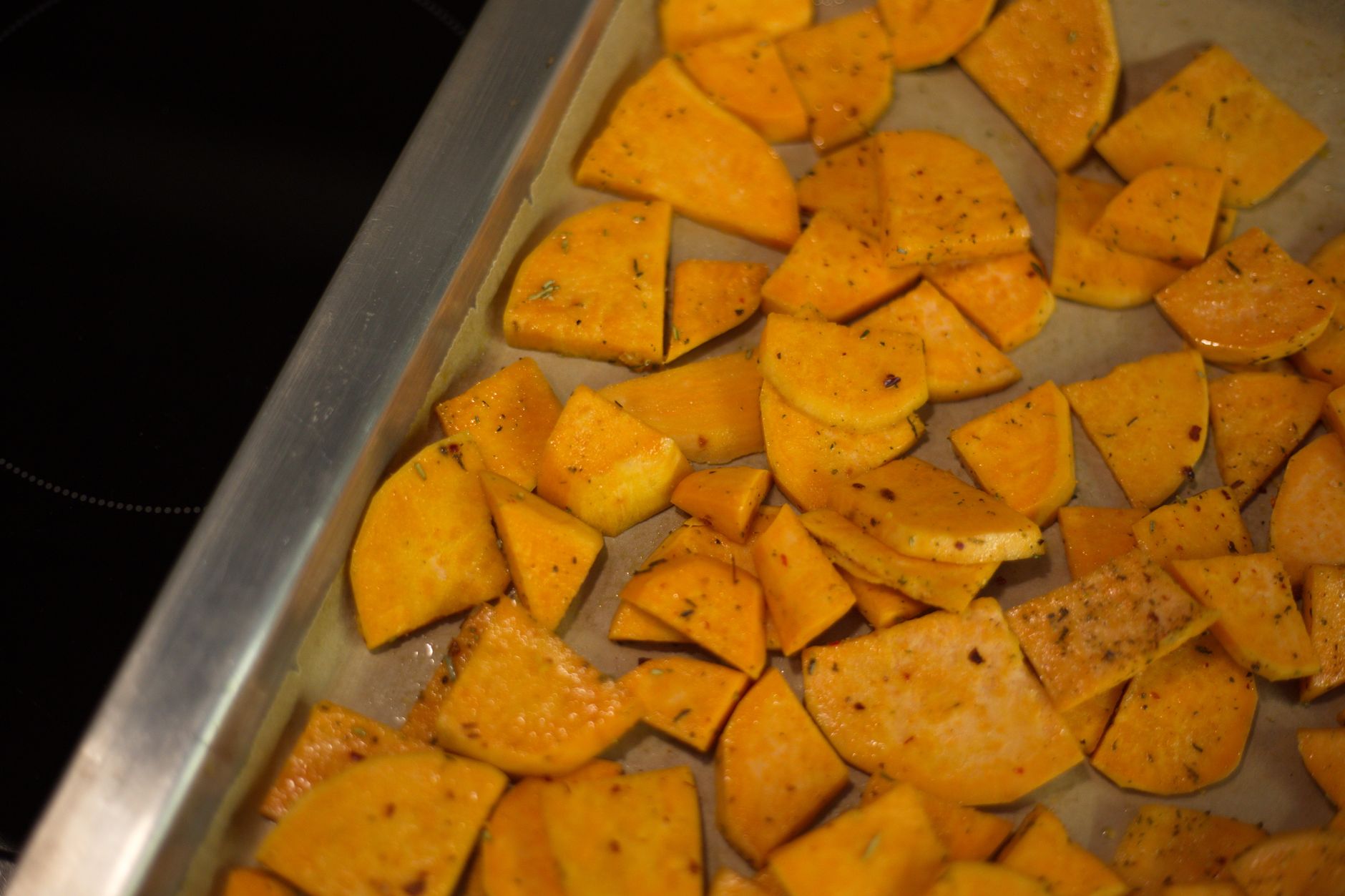
If you prefer crispy, caramelized edges, roasting cubed sweet potatoes is an excellent choice. This method also cuts down on cooking time.
- Preparation Time: 15 minutes
- Cooking Time: 25-30 minutes
- Total Time: 40-45 minutes
- Preheat your oven to 400°F (200°C).
- Peel and cube sweet potatoes into 1-inch pieces.
- In a bowl, toss the sweet potato cubes with olive oil, salt, and any desired seasonings such as paprika or garlic powder.
- Spread the cubes in a single layer on a parchment-lined baking sheet.
- Roast for 25-30 minutes, flipping once halfway through, until they are golden and fork-tender.
Sweet Potato Wedges
Sweet potato wedges are another delightful preparation. They are easy to make and perfect for dipping in sauces.
- Preparation Time: 10 minutes
- Cooking Time: 30-35 minutes
- Total Time: 40-45 minutes
- Preheat your oven to 400°F (200°C).
- Wash and cut sweet potatoes into wedges (about 8 wedges per potato).
- Toss the wedges with olive oil, salt, and your choice of spices (cinnamon, cayenne, or herbs work well).
- Arrange on a baking sheet in a single layer.
- Bake for 30-35 minutes or until golden brown and crispy.
Testing for Doneness
When cooking sweet potatoes, knowing how to test for doneness is essential for achieving the best texture and flavor. Here are some effective methods:
- Fork Test: Insert a fork or knife into the thickest part of the sweet potato. If it slides in easily, the sweet potato is done.
- Internal Temperature: Use a food thermometer; sweet potatoes should reach an internal temperature of around 205-212°F (96-100°C) when cooked.
- Visual Cues: The exterior skin may look wrinkled or slightly caramelized when the sweet potato is properly cooked.
Common Mistakes to Avoid
When cooking sweet potatoes, several common mistakes can affect your final dish. Here are some potential pitfalls and how to avoid them:
- Not Preheating the Oven: Always preheat your oven for even cooking.
- Skipping the Fork Piercing: Failing to pierce whole sweet potatoes can lead to bursting in the oven.
- Overcrowding the Baking Sheet: Leaving space between pieces when roasting ensures even cooking and crispy edges.
- Not Being Patient: Rushing the cooking time can result in undercooked or hard centers.
Practical Substitutions and Variations
If sweet potatoes are not available, several alternatives can work in similar recipes:
- Butternut Squash: A similar texture and sweetness, good for roasting or mashing.
- Carrots: Will yield a sweeter flavor, especially when roasted.
- Yams: Often confused with sweet potatoes, yams can be used in most recipes interchangeably.
Flavor Pairings
Sweet potatoes are incredibly versatile and can pair well with many flavors. Here are a few suggestions to enhance your dish:
- Maple Syrup: A natural pairing that complements sweet potatoes’ sweetness.
- Brown Sugar and Cinnamon: Perfect for a sweet side or dessert.
- Garlic and Herbs: Excellent for savory dishes, adding depth and flavor.
Storage and Reheating Guidelines
To maximize freshness and flavor, it’s essential to store cooked sweet potatoes properly:
- Store cooked sweet potatoes in an airtight container in the refrigerator for up to 4 days.
- For longer storage, consider freezing them. Mashed or cubed sweet potatoes can last up to 6 months in the freezer.
- Reheat cooked sweet potatoes in the microwave or oven until heated through. If using the oven, cover with foil to retain moisture.
Meal Planning with Sweet Potatoes
Sweet potatoes are a fantastic component for meal planning because of their versatility and nutritional value. Here are a few meal ideas:
- Breakfast: Sweet potato hash with eggs and spinach.
- Lunch: Quinoa salad with roasted sweet potatoes, chickpeas, and feta cheese.
- Dinner: Grilled chicken with garlic butter sweet potato wedges and steamed broccoli.
Conclusion
Cooking sweet potatoes at 400°F is a straightforward process that can result in delicious, nutritious meals. Whether you choose to bake them whole, roast them in cubes, or cut them into wedges, following the correct timing and techniques ensures a perfect outcome every time. Take these tips into your kitchen and enjoy sweet potatoes in various delightful forms.
To enhance your cooking skills further, discover how long to bake boneless pork chops and learn how long to cook fresh green beans for balanced meal planning. Explore these and other recipes to expand your culinary repertoire.