
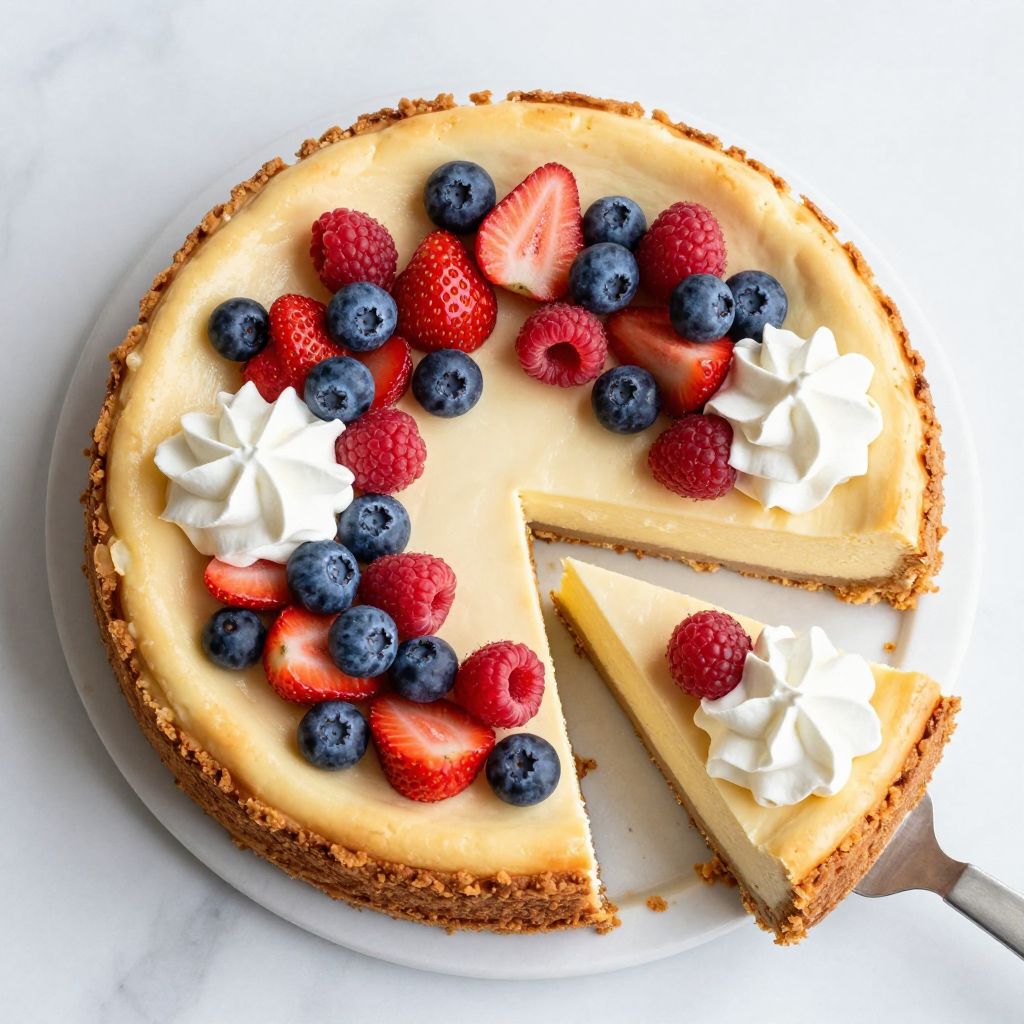
Picture a creamy, dreamy cheesecake, perfectly set atop a buttery graham cracker crust, with a hint of springtime zest. This Easter Cheesecake is not just dessert; it’s a celebration on a plate, bringing joy to holiday gatherings with its rich flavor and velvety texture.
What makes this cheesecake special is its balance of sweetness and tang, along with the delightful crunch of the crust. Whether it’s a family tradition or your first time making cheesecake, this recipe is sure to impress and create lasting memories.
Why You’ll Love This Recipe
This Easter Cheesecake is a delightful twist on a classic favorite. It’s easy to make and perfect for festive occasions.
- Rich, creamy texture that melts in your mouth.
- Bright, tangy flavors that signal spring.
- Customizable with your favorite toppings.
- Perfect for both novice and experienced bakers.
- Can be made ahead of time for stress-free entertaining.
My Experience Making This Recipe
Making this Easter Cheesecake has become a cherished tradition in my home. The aroma of baking fills the kitchen, and I can’t help but sneak a taste of the creamy filling!
When I shared it with friends and family, their smiles said it all. The combination of flavors and textures made it an instant hit, and I knew I had found a winner.
Recipe Overview
- Recipe Name: Easter Cheesecake
- Servings: 12
- Prep Time: 20 minutes
- Cook Time: 60 minutes
- Total Time: 1 hour 20 minutes
- Course: Dessert
- Cuisine: American
- Calories per Serving: 320
Equipment You Will Need
- 9-inch springform pan
- Mixing bowls
- Electric mixer
- Rubber spatula
- Measuring cups and spoons
- Oven
Ingredients for Easter Cheesecake
- For the Crust:
- 1 ½ cups of crushed graham crackers
- ½ cup of unsalted butter, melted
- ¼ cup of granulated sugar
- For the Filling:
- 4 (8-ounce) packages of cream cheese, softened
- 1 cup of granulated sugar
- 1 teaspoon of vanilla extract
- 4 large eggs
- 1 cup of sour cream
- 1 tablespoon of lemon juice
- For the Topping (optional):
- Fresh berries
- Whipped cream
Ingredient Notes and Substitutions
- Graham Crackers: They add a sweet, crunchy base. You can substitute with digestive biscuits if needed.
- Cream Cheese: Provides the creamy texture. Use a low-fat version for a lighter option.
- Sour Cream: Adds richness and tanginess. Greek yogurt can be used as a substitute.
- Lemon Juice: Brightens the flavor. You can use lime juice for a different twist.
How to Make Easter Cheesecake
Step 1: Prepare the Crust
Preheat your oven to 325°F (160°C). This ensures that your cheesecake bakes evenly.
Step 2: Mix the Crust Ingredients
In a bowl, combine the crushed graham crackers, melted butter, and sugar. This mixture should resemble wet sand for the best texture.
Step 3: Press the Crust
Press the graham cracker mixture firmly into the bottom of the springform pan. A well-packed crust holds together beautifully.
Step 4: Bake the Crust
Bake the crust for 10 minutes, then let it cool. This step helps to set the crust and adds a nice toasty flavor.
Step 5: Prepare the Filling
In a large bowl, beat the softened cream cheese until smooth. This helps eliminate lumps for a creamy filling.
Step 6: Add Sugar and Flavorings
Add the sugar, vanilla extract, sour cream, and lemon juice to the cream cheese. Mix until fully combined, ensuring no dry spots remain.
Step 7: Incorporate the Eggs
Add the eggs one at a time, mixing gently after each addition. Overmixing can incorporate too much air, causing cracks.
Step 8: Bake the Cheesecake
Pour the filling into the cooled crust and bake for 60 minutes. The center should be slightly jiggly, as it will firm up while cooling.
Pro Tip: Let your cheesecake cool gradually in the oven with the door ajar to prevent cracks.
Tips for the Best Easter Cheesecake
- Use room temperature ingredients for even mixing.
- Don’t skip the sour cream; it adds a delightful tang.
- Cover the cheesecake with foil for the first half of baking to prevent over-browning.
- Chill the cheesecake for at least 4 hours before serving for the best texture.
- Top with seasonal fruits for a beautiful presentation.
Common Mistakes to Avoid
- Overmixing the filling can lead to cracks; mix just until combined.
- Not allowing the cheesecake to cool properly can affect its texture.
- Using cold ingredients may result in lumps in the batter.
- Baking at too high a temperature can cause the cheesecake to crack.
Serving Suggestions
This cheesecake is perfect on its own, but a few accompaniments can elevate it even more. Consider pairing it with fresh fruits or whipped cream.
- Fresh strawberries and blueberries
- Chocolate sauce drizzle
- Caramel sauce for a sweet contrast
- Mint leaves for a fresh touch
Variations to Try
- Add chocolate chips to the filling for a rich twist.
- Swirl in raspberry or strawberry puree before baking for a fruity flavor.
- Use a cookie crust instead of graham crackers for a different taste.
- Top with lemon curd for an extra zing.
Dietary Adaptations
- Gluten-Free: Use gluten-free graham crackers.
- Dairy-Free: Substitute with dairy-free cream cheese and yogurt.
- Vegan: Use vegan cream cheese and a flax egg.
- Low-Carb/Keto: Use almond flour for the crust and sugar substitutes.
Storage and Reheating
Refrigerator
Store leftover cheesecake in the fridge for up to 5 days. Cover it tightly to maintain freshness.
- Use plastic wrap or an airtight container.
- Keep it away from strong-smelling foods.
Freezer
This cheesecake can be frozen for up to 3 months. Proper wrapping is key to avoid freezer burn.
- Wrap tightly in plastic wrap and then in aluminum foil.
- Label with the date for easy tracking.
Reheating
Thaw frozen cheesecake overnight in the refrigerator. This preserves its texture and flavor.
- For a warm slice, microwave for 15-20 seconds.
- Avoid reheating multiple times to keep it fresh.
Nutrition Information
| Nutrient | Amount |
|---|---|
| Calories | 320 |
| Total Fat | 22g |
| Saturated Fat | 12g |
| Carbohydrates | 28g |
| Fiber | 1g |
| Sugar | 20g |
| Protein | 5g |
| Sodium | 250mg |
| Cholesterol | 80mg |
This information is approximate and may vary based on specific ingredients and brands used.
Frequently Asked Questions
Can I make this cheesecake in advance?
Absolutely! It can be made a day ahead and stored in the refrigerator.
What can I use instead of sour cream?
Greek yogurt is a great substitute that still adds creaminess.
How do I prevent my cheesecake from cracking?
Cooling it gradually in the oven helps prevent cracks.
Can I freeze leftover cheesecake?
Yes, wrap it well and freeze for up to 3 months.
What if my cheesecake is too runny?
It may need more baking time, or ensure your ingredients were at room temperature.
Final Thoughts
This Easter Cheesecake is a delightful centerpiece for your holiday table. Its creamy texture and vibrant flavors will surely make it a favorite.
Give this recipe a try, and you might just find yourself making it for every celebration!
If you’re looking for more delicious desserts, check out this banana cheesecake recipe or try the scrumptious churro cheesecake recipe.
Easter Cheesecake
Ingredients
Equipment
Method
- Preheat your oven to 325°F (160°C).
- In a bowl, combine the crushed graham crackers, melted butter, and sugar.
- Press the graham cracker mixture firmly into the bottom of the springform pan.
- Bake the crust for 10 minutes, then let it cool.
- In a large bowl, beat the softened cream cheese until smooth.
- Add the sugar, vanilla extract, sour cream, and lemon juice to the cream cheese and mix until fully combined.
- Add the eggs one at a time, mixing gently after each addition.
- Pour the filling into the cooled crust and bake for 60 minutes.
- Let your cheesecake cool gradually in the oven with the door ajar to prevent cracks.