
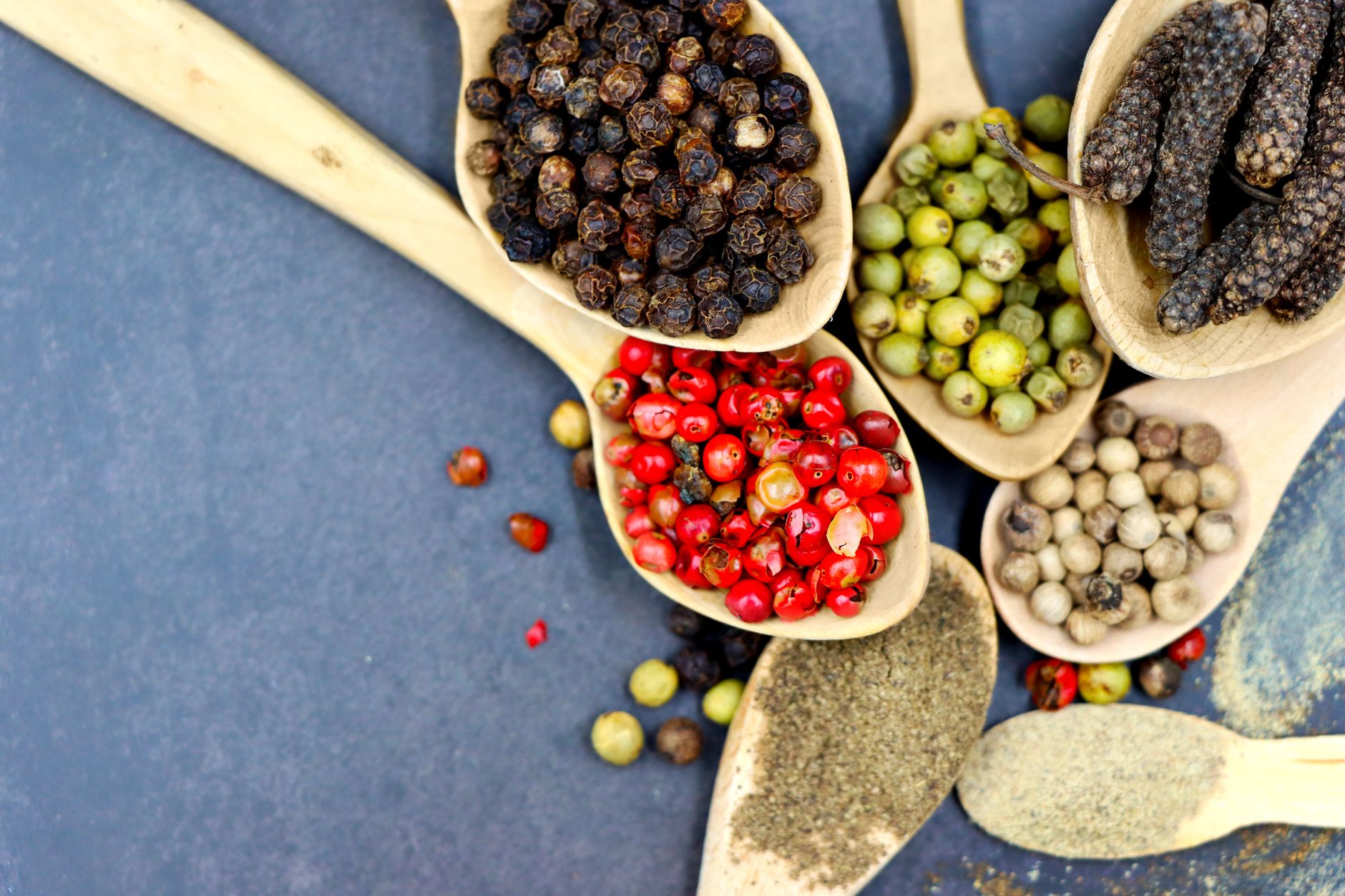
Pepper is a staple spice around the world, known for its ability to enhance the flavor of countless dishes. Understanding the origins of pepper and its historical significance helps deepen our appreciation for this versatile ingredient. This article explores where pepper comes from, its journey through food history, and how it has become a central part of various culinary traditions.
The spice we know as pepper is derived from the dried fruit of the plant Piper nigrum. Native to the Malabar Coast of India, this small black fruit is the source of black and white pepper. Over the centuries, its cultivation has spread to regions with similar climates, integrating it into global cuisines.
Where Is Pepper From?
Pepper originates from the southwestern coast of India, particularly the states of Kerala and Karnataka. This area has been known as the spice capital of the world for centuries. The Malabar Coast boasts the ideal conditions for growing pepper, with its humid climate and rich, fertile soil. The plant thrives in environments where there is ample rainfall and shade from larger trees.
Historically, pepper was highly prized and traded across various civilizations. Its high value made it a sought-after commodity in ancient times, leading to the establishment of trade routes that connected the East and West. Today, although still primarily associated with India, pepper is also cultivated in other regions such as Vietnam, Indonesia, and Brazil, which have become significant contributors to the global pepper market.
The Types of Pepper
Pepper is more than just black and white varieties. Understanding the types can enhance the culinary experience and help in selecting the right flavor profile for your dishes.
- Black Pepper: The most common type, produced from the unripe green fruit of the pepper plant. When dried, the skin turns black and wrinkled. Black pepper has a strong, pungent flavor.
- White Pepper: Made from the same fruit as black pepper but processed differently. The outer skin is removed, leaving only the seed. It has a milder flavor and is often used in light-colored sauces to maintain visual aesthetics.
- Green Pepper: These are harvested before ripening and can be found either dried or pickled. They have a fresher, more delicate flavor compared to black and white pepper.
- Red Pepper: Fully ripened fruit that can be dried or preserved. This variety offers a fruity flavor alongside the spicy heat.
- Long Pepper: A relative of black pepper but has a more complex flavor profile with hints of sweetness. It looks like a longer version of black peppercorns and is less common in modern cooking.
Historical Significance of Pepper
Pepper has a rich history that intertwines with global exploration and trade. Its value in the ancient world was immense, often resulting in wars and the establishment of trade routes. Known as “black gold,” pepper was so valuable that it was used as currency in some cultures.
The spice trade flourished during the Roman Empire, where pepper became a key ingredient in Roman cuisine. The ancient Greeks also valued pepper highly, which paved the way for its introduction to Europe. By the Middle Ages, it had become a mainstay in European kitchens, influencing culinary trends and even medicinal practices.
With the age of exploration in the 15th century, European nations sought direct access to the spice trade. This pursuit led to the establishment of trade routes, colonies, and the introduction of pepper to new worlds. The Portuguese were some of the first to cultivate pepper in regions like Brazil and Indonesia, further expanding its reach.
Culinary Uses of Pepper
Pepper is incredibly versatile, used in a plethora of dishes across various cuisines. It serves as a seasoning, enhancing the flavors of meat, vegetables, and sauces. It can also affect the color and appearance of color-dependent dishes, making it a popular choice in culinary presentations.
Seasoning and Flavoring
Using pepper to season savory dishes is standard, whether it’s in marinades, dressings, or rubs. Its heat may enhance the natural flavors of the ingredients, creating a well-rounded dish.
Cooking Techniques
Pepper can be used in various cooking techniques, such as:
- Grinding: Freshly ground pepper provides a stronger flavor and aroma compared to pre-ground options.
- Infusing: Whole peppercorns can be infused in oils or stocks to impart their flavor.
- Roasting: Combining whole peppercorns with meat before roasting intensifies the scent and flavor.
Regional Culinary Traditions
Pepper plays a significant role in various regional cuisines. Here’s how it’s utilized in different parts of the world:
- Indian Cuisine: Integral to numerous spice blends like garam masala and is used in marinades and curries.
- Italian Cuisine: Black pepper is often used in pasta sauces, risottos, and as a finishing spice on pizza.
- Thai Cuisine: Fresh green peppercorns are used in dishes such as green curry for an aromatic and spicy kick.
- French Cuisine: White pepper is favored in white sauces like béchamel to maintain visual aesthetics.
Storing and Handling Pepper
Proper storage of pepper is crucial to maintain its flavor and aroma. Here are some tips for handling and storing pepper effectively:
- Whole Peppercorns: Store them in an airtight container in a cool, dark place. Whole peppercorns retain their flavor longer than ground pepper.
- Ground Pepper: Keep in a tightly sealed container away from light and heat. Use it within six months for optimal flavor.
- Check Freshness: Whole peppercorns should smell pungent and aromatic; if they lack scent, they may no longer be fresh.
Substitutes for Pepper
If you find yourself without pepper on hand, or if you’re looking for alternative flavors, consider these substitutes:
- Cayenne Pepper: Adds a different, spicier kick; use sparingly as it is significantly hotter.
- Paprika: Offers a milder paprika flavor with sweetness; adjust the quantity according to your preferences.
- Chili Flakes: A great option for those who want heat; use less as these are generally spicy.
- Garlic or Onion Powder: While not a direct substitute, these can add depth of flavor to savory dishes.
Common Mistakes When Using Pepper
While pepper is a simple ingredient, improper use can mask its flavors. Here are some common mistakes to avoid:
- Overusing: Too much pepper can overwhelm a dish. Start with a small amount and adjust according to your taste.
- Using Old Pepper: Old or stale peppercorns will lack flavor; ensure freshness for the best culinary results.
- Not Grinding Fresh: Pre-ground pepper can lose potency quickly. Invest in a pepper mill for the freshest flavor.
Conclusion
Pepper has a rich history and diverse origins, shaping cuisines around the world. Understanding its journey from the Malabar Coast in India to your kitchen enhances its appreciation and usage. By exploring pepper’s culinary applications, historical significance, and handling tips, you can elevate your cooking experience today. A simple sprinkle of freshly ground black pepper can transform an ordinary dish into an extraordinary one.
For more exciting flavors, check out our guides on making a delicious Poblano Pepper recipe or savoring the delightful Pepper Lunch recipe.