
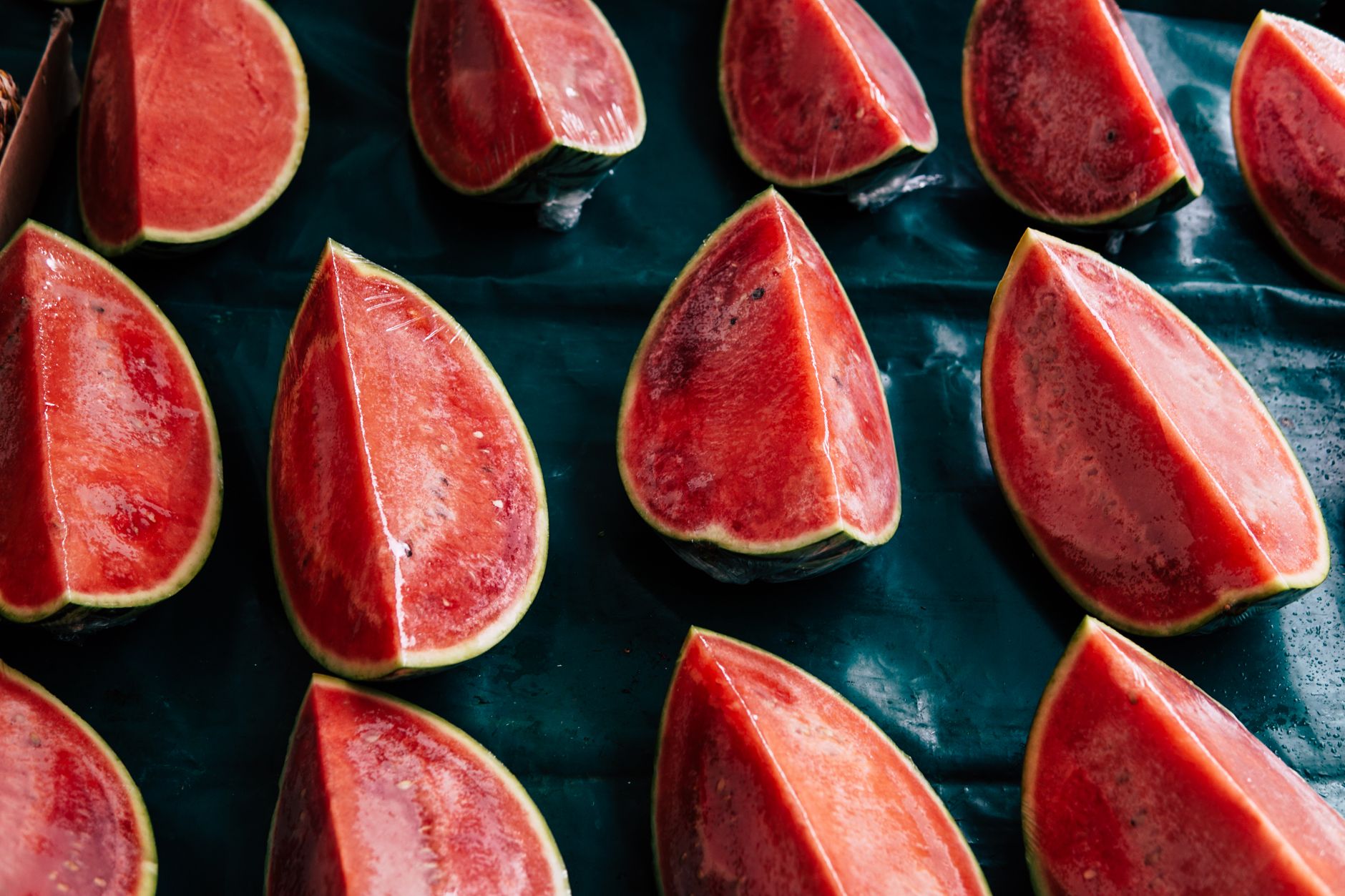
Watermelon, with its refreshing taste and hydrating properties, is a summer staple that many look forward to. However, picking the perfect watermelon can be a bit tricky. Knowing how to tell if a watermelon is ripe ensures that you get the sweetest, juiciest fruit for your enjoyment.
This guide will cover various methods and signs you can look for when selecting a ripe watermelon. Armed with this knowledge, you can shop confidently and enjoy this delightful fruit to its fullest.
How Do You Know If Watermelon Is Ripe?
To determine if a watermelon is ripe, check for a symmetrical shape, a creamy spot, a dull skin finish, and feel its weight. Tapping it should produce a hollow sound, and the tendril should be dry. These signs indicate you are choosing a ripe, sweet watermelon.
Understanding the Watermelon Life Cycle
Before diving into how to pick a ripe watermelon, it’s helpful to understand its life cycle. Watermelon typically takes about 70 to 90 days to grow from seed to harvest. The fruit grows rapidly in warm temperatures and requires consistent moisture and sunlight. As it reaches maturity, certain signs develop that indicate ripeness.
Key Indicators of Ripe Watermelon
1. Look at the Shape
A ripe watermelon should have a symmetrical shape. This often indicates that it has grown evenly and received adequate nutrients throughout its life cycle. Irregular shapes or lumps suggest potential health issues or uneven growth, which can affect the quality of the fruit.
2. Check the Color
Watermelon skin coloration plays a vital role in determining ripeness. Look for a watermelon with a deep green color that is slightly dull. Shiny skin can indicate that the fruit is not yet ripe. A fully ripe watermelon typically has a waxy surface appearance.
3. Inspect the Field Spot
Every watermelon has a “field spot,” which is the area where it sat on the ground while growing. A ripe watermelon will usually have a creamy yellow or light orange field spot. If the field spot is white or green, the watermelon may not be fully ripe.
4. Feel the Weight
When selecting a watermelon, weight is a great indicator of ripeness. A ripe watermelon should feel heavy for its size, indicating it is full of water and juice. Compare it to similarly sized watermelons; the heavier one is usually the riper option.
5. Check the Tendril
The tendril is the curly stem attached to the watermelon. A dry, brown tendril indicates that the fruit has fully matured and is ripe. If the tendril is still green and moist, it may have been harvested too early.
6. Tap the Surface
Tapping the watermelon can help you gauge ripeness. A hollow sound indicates a ripe watermelon, while a dull sound signifies that it may not be ripe. Practice this technique when shopping; it takes time to recognize the sounds accurately.
7. Look for Sugar Spots
Sugar spots are dark, rough patches on the surface of a watermelon, indicating that it has high sugar content and is sweet. However, this can also indicate over-ripeness, so use this sign in combination with the others for the best results.
Where to Buy Watermelon
Watermelon is usually available year-round, but peak season is during the summer months. You can find watermelon at supermarkets, farmers’ markets, and roadside stands. Farmers’ markets often offer locally grown options, which tend to be fresher and more flavorful.
Tips for Shopping
- Visit a store or market that sells high-quality produce.
- Shop during peak watermelon season for the best selection.
- Don’t hesitate to ask vendors about the watermelon’s origin and ripeness.
Preparation and Storage Tips
Once you have selected a ripe watermelon, proper storage and preparation are crucial to maintain its quality and flavor. Here are some tips:
Storage Tips
- Store whole watermelons in a cool, dry place away from direct sunlight to keep them fresh for up to two weeks.
- Once cut, wrap the leftover pieces in plastic wrap and refrigerate them to avoid spoilage. Consume cut watermelon within five days.
- Do not store cut watermelon in the freezer unless you’re planning to use it for smoothies, as freezing changes its texture.
Preparation Tips
When you’re ready to eat your watermelon, here’s how to get it prepped:
- Wash the outside thoroughly to remove any dirt or potential contaminants.
- Using a sharp knife, cut the watermelon in half lengthwise.
- From there, cut into wedges or cubes, depending on your preference.
- Remove the seeds if desired, although many varieties are now seedless.
Creative Ways to Use Watermelon
Watermelon is incredibly versatile! Here are some delicious ways to enjoy this refreshing fruit:
1. Summer Salads
Combine watermelon with feta cheese, mint, and a drizzle of balsamic glaze for a refreshing summer salad. The sweetness of the watermelon pairs beautifully with the salty feta.
2. Watermelon Smoothies
Blend watermelon with yogurt, ice, and a pinch of lime juice for a cool and hydrating smoothie. This ensures a refreshing drink on hot days.
3. Grilled Watermelon
Grilling watermelon brings out its natural sugars. Slice into thick wedges, grill until caramelized, and serve with a sprinkle of salt or mixed into a salad.
4. Watermelon Popsicles
Puree watermelon chunks and pour them into molds for a simple, homemade popsicle. A splash of lime adds an extra zing that’s perfect for summer treats.
Common Mistakes When Choosing Watermelon
Even with all the right indicators, there are still common mistakes people make when trying to choose a ripe watermelon:
1. Ignoring the Field Spot
Many overlook the field spot, but it is a key indicator. A watermelon with a white or faded spot may not be fully ripened.
2. Not Considering Size and Shape
Opting for just the biggest or heaviest watermelon can be misleading. Focus on symmetry and overall shape, as a smaller, well-shaped fruit may be sweeter than a large, lumpy one.
3. Relying Solely on Color
While color is a helpful indicator, it shouldn’t be the only factor. Always check weight, shape, and sound, as well.
Best Varieties of Watermelon
There are many varieties of watermelon, each with unique flavors and textures. Here are a few popular types:
- Seedless Watermelon: Convenient and popular, seedless varieties are great for snacking.
- Mini Watermelon: These small-sized options are perfect for individual servings, especially for small households.
- Crimson Sweet: Known for its sweet flavor and crisp texture, this variety features a striped exterior.
- Black Diamond: Recognized for its dark skin, this type is sweet and juicy, making it a favorite for many.
Conclusion
Knowing how to select a ripe watermelon will elevate your summer fruit game. Remember to check the shape, color, field spot, weight, tendril, sound, and sugar spots. By applying these tips, you can confidently choose watermelons that are juicy and flavorful every time.
Once you’ve mastered selecting the perfect watermelon, explore more related topics such as how to freeze watermelon or learn what a ripe mango looks like. Enjoy your fruit adventures!