
Nothing beats the warm, inviting aroma of spices wafting through your kitchen, especially when you’re preparing a hearty bowl of chili. This Recipe For Chili Seasoning is a delightful blend that captures the essence of comfort food, making it a must-have in your pantry. Quick to make and incredibly versatile, this seasoning mix not only elevates your chili but can enhance stews, soups, and even grilled meats. Let’s dive into how you can whip up your very own chili seasoning that’s bursting with flavor.
Why You’ll Love This Recipe
Making your own chili seasoning is a game changer. Here’s why:
- Customizable to suit your taste preferences.
- Uses simple, pantry-friendly ingredients.
- Freshly made seasoning packs more flavor than store-bought.
- Perfect for meal prep and easy to store.
- Great for various dishes beyond chili.
My Experience Making This Recipe
I remember the first time I made my own chili seasoning; the smell of cumin and paprika filled my kitchen like a warm hug. It was a simple mix, yet it transformed a basic pot of chili into a flavor-packed masterpiece.
Friends and family were blown away by the depth of flavor, and I felt like a culinary wizard. Now, I make this seasoning in batches, ensuring I’m always ready to whip up something delicious.
Recipe Overview
- Recipe Name: Chili Seasoning
- Servings: About 8 servings
- Prep Time: 10 minutes
- Cook Time: 0 minutes
- Total Time: 10 minutes
- Course: Spice Mix
- Cuisine: American
- Calories per Serving: 10
Equipment You Will Need
- Measuring spoons
- Mixing bowl
- Whisk or spoon
- Storage container or jar
Ingredients for Chili Seasoning
- 2 tablespoons chili powder
- 1 tablespoon ground cumin
- 1 tablespoon smoked paprika
- 1 tablespoon garlic powder
- 1 tablespoon onion powder
- 1 teaspoon dried oregano
- 1 teaspoon ground black pepper
- 1 teaspoon salt (adjust to taste)
- 1/2 teaspoon cayenne pepper (optional for heat)
Ingredient Notes and Substitutions
- Chili powder: This is the base flavor; substitute with ancho chili powder for a different heat profile.
- Ground cumin: Adds warmth; caraway seeds can be a substitute if ground finely.
- Smoked paprika: Gives a smoky flavor; regular paprika works but lacks the smokiness.
- Garlic powder: For convenience; fresh garlic can be used but might alter consistency.
- Dried oregano: Provides an earthy note; Italian seasoning can work as an alternative.
How to Make Chili Seasoning
Step 1: Measure the Ingredients
Gather all your spices and measure them accurately. Precise measurements ensure a balanced flavor profile.
Step 2: Combine in a Mixing Bowl
In a mixing bowl, add all the measured spices. This is where the magic happens as the spices intermingle.
Step 3: Mix Thoroughly
Use a whisk or spoon to blend the spices together. Proper mixing ensures each spoonful contains an even distribution of flavor.
Step 4: Taste Test
If you want to adjust the heat, now is the time to add more cayenne pepper. Taste testing helps you customize the spice level to your liking.
Step 5: Store the Seasoning
Transfer your chili seasoning into an airtight container or jar. Proper storage keeps the spices fresh and flavorful.
Step 6: Label the Container
Label your container with the date and contents. This way, you won’t forget what you have in your pantry.
Step 7: Use as Desired
Whenever you make chili, use about 1 tablespoon of the seasoning per pound of meat or beans. This ensures robust flavor in your dish.
Step 8: Enjoy Your Creation
Sprinkle this seasoning into your next chili, soup, or stew. Enjoy the delight of homemade flavor!
Pro Tip: For an extra kick, try adding a pinch of cinnamon to your chili seasoning mix.
Tips for the Best Chili Seasoning
- Use high-quality spices for better flavor.
- Adjust salt levels based on your dietary needs.
- For a richer flavor, let the seasoning sit for a few hours before using it.
- Store in a cool, dark place to prolong freshness.
- Mix in some fresh herbs for a unique twist when cooking.
Common Mistakes to Avoid
- Using stale spices; always check for freshness as it affects flavor.
- Not measuring accurately; a small difference can change the balance.
- Skipping the taste test; trust your palate to adjust flavors.
- Storing in a warm place; heat can degrade spices quickly.
Serving Suggestions
This chili seasoning is fantastic with various dishes, making it versatile. Try pairing it with:
- Classic beef or turkey chili.
- Vegetarian chili with beans and lentils.
- Chili con carne for a meaty twist.
- Spicy chili corn bread for a hearty side.
Variations to Try
- Add cocoa powder for a deep, rich flavor.
- Use lemon zest for a fresh burst of acidity.
- Incorporate a touch of brown sugar to balance spice.
- Experiment with different chili powders for unique flavor profiles.
Dietary Adaptations
- Gluten-free: All ingredients are naturally gluten-free.
- Dairy-free: This mix contains no dairy products.
- Vegan/Vegetarian: Perfectly suitable for plant-based diets.
- Low-carb/Keto: Contains minimal carbs, making it keto-friendly.
Storage and Reheating
Refrigerator
This seasoning does not require refrigeration but can be stored there for maximum freshness.
- Store in an airtight container.
- Keep away from moisture and heat sources.
Freezer
Freezing is not recommended as it may alter the quality of the spices.
- Instead, opt for a cool, dark pantry.
Reheating
Reheating is unnecessary since this is a dry mix. Just use as needed in your cooking.
Nutrition Information
| Nutrient | Amount |
|---|---|
| Calories | 10 |
| Total Fat | 0g |
| Saturated Fat | 0g |
| Carbohydrates | 2g |
| Fiber | 1g |
| Sugar | 0g |
| Protein | 0g |
| Sodium | 400mg |
| Cholesterol | 0mg |
This nutritional information is an estimate and can vary based on the specific brands of ingredients used.
Frequently Asked Questions
Can I substitute chili powder with another spice?
Yes, you can use ancho chili powder or even cayenne for a different heat level.
How long can I store this seasoning?
When stored properly, this seasoning can last up to six months.
Can I make this ahead of time?
Absolutely! Making it ahead of time allows the flavors to meld beautifully.
What if my seasoning clumps?
If it clumps, simply break it apart with a spoon or whisk before using.
Can I use this in recipes other than chili?
Definitely! It’s great in soups, stews, and even on grilled meats.
Final Thoughts
This Recipe For Chili Seasoning is a simple way to enhance your cooking. With just a few ingredients, you can create a delicious blend that brings warmth to your meals.
Give it a try, and you might find yourself never reaching for store-bought seasoning again. For more delicious ideas, check out this chili seasoning recipe and don’t miss out on my over the top chili recipe.
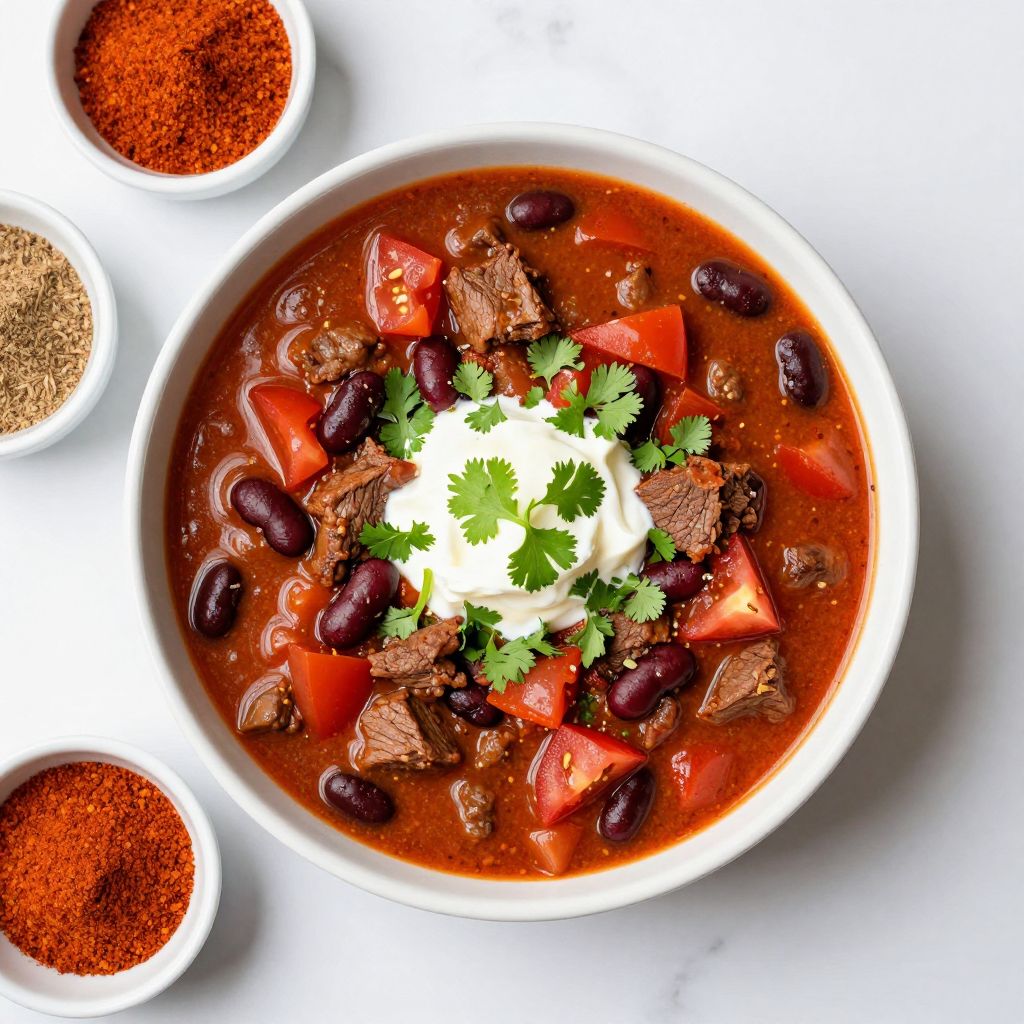
Chili Seasoning
Ingredients
Equipment
Method
- Gather all your spices and measure them accurately.
- In a mixing bowl, add all the measured spices.
- Use a whisk or spoon to blend the spices together.
- Taste test and adjust with more cayenne pepper if desired.
- Transfer your chili seasoning into an airtight container or jar.
- Label your container with the date and contents.
- Use about 1 tablespoon of the seasoning per pound of meat or beans in your chili.
- Enjoy the seasoning in your next chili, soup, or stew.