
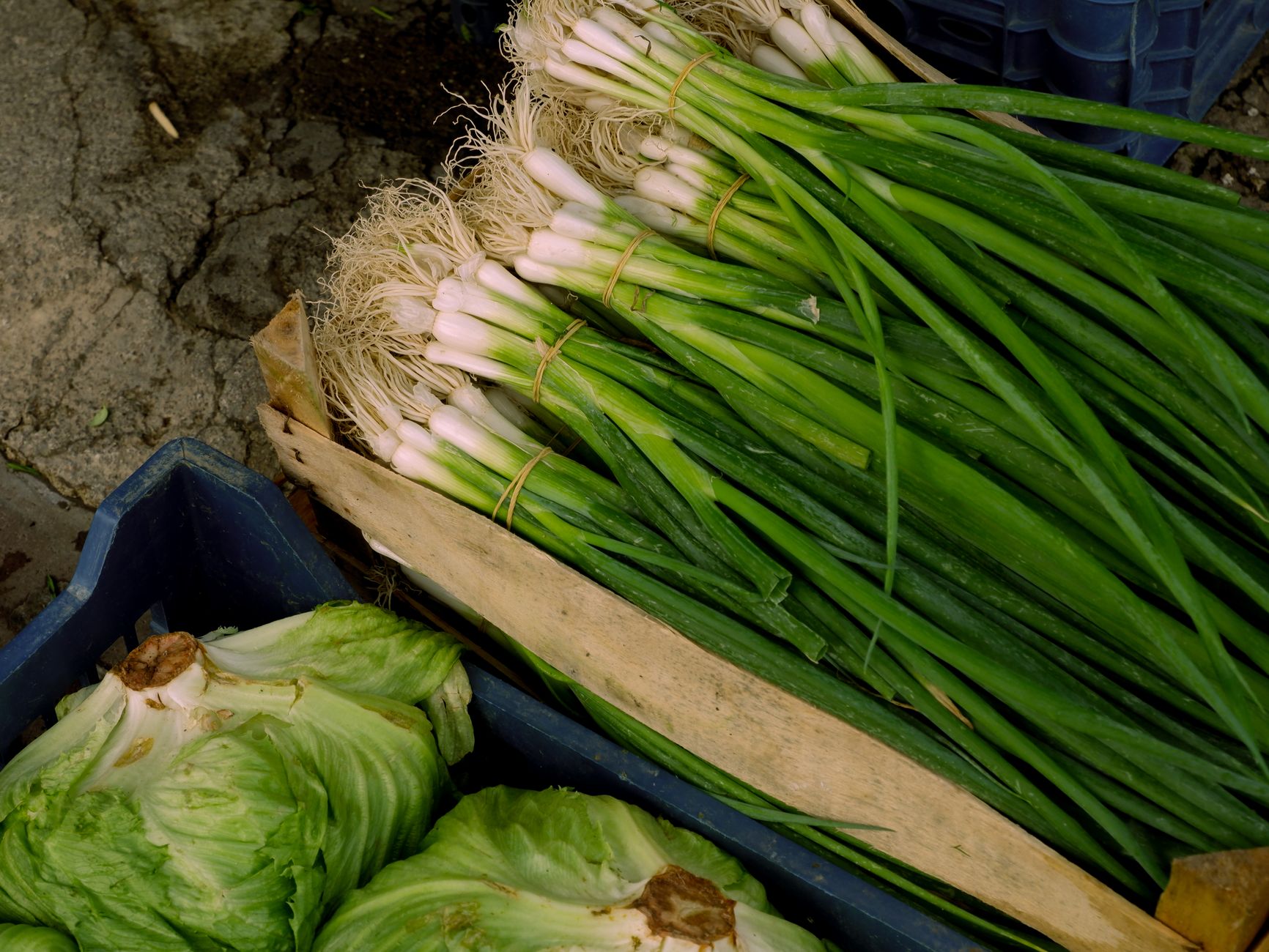
Green onions, also known as scallions or spring onions, are a versatile ingredient found in a variety of cuisines around the world. This culinary staple is celebrated not just for its vibrant green color but also for its mild, fresh flavor that adds a unique touch to dishes. Whether used as a garnish, a base in salads, or incorporated into cooked meals, green onions elevate the overall taste experience.
As you explore green onions, you will discover their culinary uses, how to select and store them, and simple ways to incorporate them into your meals. Here’s an in-depth look at green onions, from their flavor profile to serving suggestions.
What Is Green Onion?
Green onion refers to a type of immature onion that is harvested before the bulb matures. Typically characterized by their long, slender green tops and small white bulbs, green onions belong to the Allium family, which also includes garlic, leeks, and chives. Unlike fully matured onions, green onions have a milder taste, making them a popular choice in salads, salsas, and various dishes.
Flavor Profile of Green Onions
The flavor of green onions is distinct yet subtle. The green tops offer a fresh, slightly peppery flavor, while the white bulb is juicier and has a slightly more pungent taste. This combination enables them to complement many dishes without overwhelming the other ingredients. The mild flavor makes green onions perfect for both raw and cooked preparations.
Nutrition and Health Benefits
Green onions are low in calories but rich in vitamins and minerals. They provide vitamins A, C, and K, as well as folate and minerals such as calcium and potassium. Including green onions in your diet can contribute to overall health through their antioxidant properties and ability to support immune function.
How to Choose Green Onions
When selecting green onions, look for fresh, vibrant green tops and firm, white bulbs without any signs of wilting or yellowing. The tops should be crisp, and there should be minimal moisture surrounding the roots. If the green tops appear droopy, they may not be fresh.
How to Store Green Onions
To maximize the freshness of green onions, store them in the refrigerator. Here are two effective methods for storage:
- In a Jar with Water: Trim about an inch from the bottom of the green onion stalks and place them upright in a jar with about an inch of water. Cover loosely with a plastic bag and store them in the refrigerator. Change the water every few days to keep them fresh.
- In a Plastic Bag: Wrap the green onion stalks in a slightly damp paper towel and place them in a perforated plastic bag. Seal the bag and store in the crisper drawer of the refrigerator.
How to Prepare Green Onions
Before using green onions, rinse them under cold running water to remove any dirt or debris. Here’s a simple process for preparation:
- Trim the root end of the green onion with a sharp knife.
- Cut the green tops to your desired length, usually 3 to 4 inches for most recipes.
- For dishes where you want both the white and green parts, slice the green onion lengthwise or crosswise as needed.
Culinary Uses for Green Onions
Green onions are an extremely flexible ingredient that you can use in countless dishes. Here are a few popular ways to utilize green onions:
1. Salads and Dressings
Green onions add flavor and color to fresh salads. Chop them finely and mix them with leafy greens, tomatoes, cucumbers, and other vegetables. They also work well in homemade salad dressings, providing a zesty touch.
2. Soups and Broths
Incorporate green onions into soups and broths as a finishing touch. Their freshness enhances the overall taste profile. Add them to miso soup, chicken broth, or any vegetable soup just before serving.
3. Salsas and Dips
Chop green onions finely and mix them into salsas, guacamole, or cream cheese spreads. Their mild spiciness complements tomatoes and avocados well, providing an excellent layer of flavor.
4. Stir-Fries and Sautéed Dishes
Add green onions to stir-fries or sautéed dishes for an aromatic boost. They can be included at the beginning of cooking for a deeper flavor or added at the end for a fresh finishing touch.
5. Garnish
Green onions are often used as a garnish to add color and contrast to various dishes, such as omelets, rice bowls, and noodle dishes. Thinly sliced green onions elevate both the visual appeal and flavor of your meals.
Recipe Ideas Featuring Green Onions
Now that you understand the culinary possibilities with green onions, consider these simple recipe ideas to incorporate them into your meals.
Green Onion Pancakes
Green onion pancakes, a popular dish in Chinese cuisine, are crispy and flavorful. Made from simple ingredients, they are an excellent appetizer or snack.
Ingredients
- 2 cups all-purpose flour
- 3/4 cup boiling water
- 1/2 cup chopped green onions
- 1/2 teaspoon salt
- Vegetable oil for frying
Method
- In a mixing bowl, add flour and salt.
- Pour boiling water over the flour and stir until combined. Knead the dough until smooth.
- Cover the dough with a damp towel and let it rest for 30 minutes.
- Divide the dough into four equal pieces, rolling each piece into a thin circle.
- Spread a little oil on the dough, sprinkle with green onions, and roll tightly into a log. Coil the log into a round shape.
- Flatten the coils slightly and fry them in hot oil until crispy on both sides. Serve hot.
Scallion and Egg Fried Rice
This scallion and egg fried rice is a quick and satisfying meal that features green onions prominently.
Ingredients
- 2 cups cooked rice (preferably day-old)
- 2 large eggs
- 1/2 cup chopped green onions
- 3 tablespoons soy sauce
- 2 tablespoons vegetable oil
- Salt and pepper to taste
Method
- Heat vegetable oil in a large skillet or wok over medium-high heat.
- Scramble the eggs in the pan and remove them once cooked through. Set aside.
- Add cooked rice to the pan and stir-fry for a few minutes until heated through.
- Add soy sauce, cooked eggs, and green onions, stirring to combine. Season with salt and pepper.
- Cook for another minute, then serve hot.
Common Substitutes for Green Onions
If you find yourself out of green onions, there are several substitutes that can approximate their flavor:
- Chives: Mild and slightly onion-flavored, chives can be used as a one-to-one substitute for green onions, though they are more delicate.
- Sweet Onions: A small amount of finely chopped sweet onions can be used, keeping in mind that they are stronger in flavor.
- Shallots: Finely minced shallots provide a closer flavor match, though slightly stronger.
- Leeks: Young leeks, finely chopped, can be a good alternative for both flavor and texture.
Common Mistakes When Preparing Green Onions
To ensure you get the best flavor and texture from green onions, keep these common pitfalls in mind:
- Using wilted greens: Always choose fresh green tops for the best flavor.
- Cooking too long: If you overcook green onions, they lose their fresh flavor. Add them toward the end of cooking to retain their crispness.
- Ignoring the white part: Don’t discard the white bulb; it contains flavor and moisture that can enhance dishes.
Storage Tips
To extend the life of your green onions, remember these storage tips:
- Keep them away from fruits that produce ethylene gas, such as apples or bananas, which can cause them to spoil faster.
- Using damp paper towels to wrap them can help maintain moisture without causing rot.
Conclusion and Next Steps
Green onions are a delightful ingredient that brings freshness and subtle onion flavor to your dishes. With the knowledge of how to select, store, and prepare them, you can now confidently incorporate green onions into your cooking. To further explore the culinary potential of this ingredient, consider trying homemade green seasoning here or even making some delicious onion jam here.