
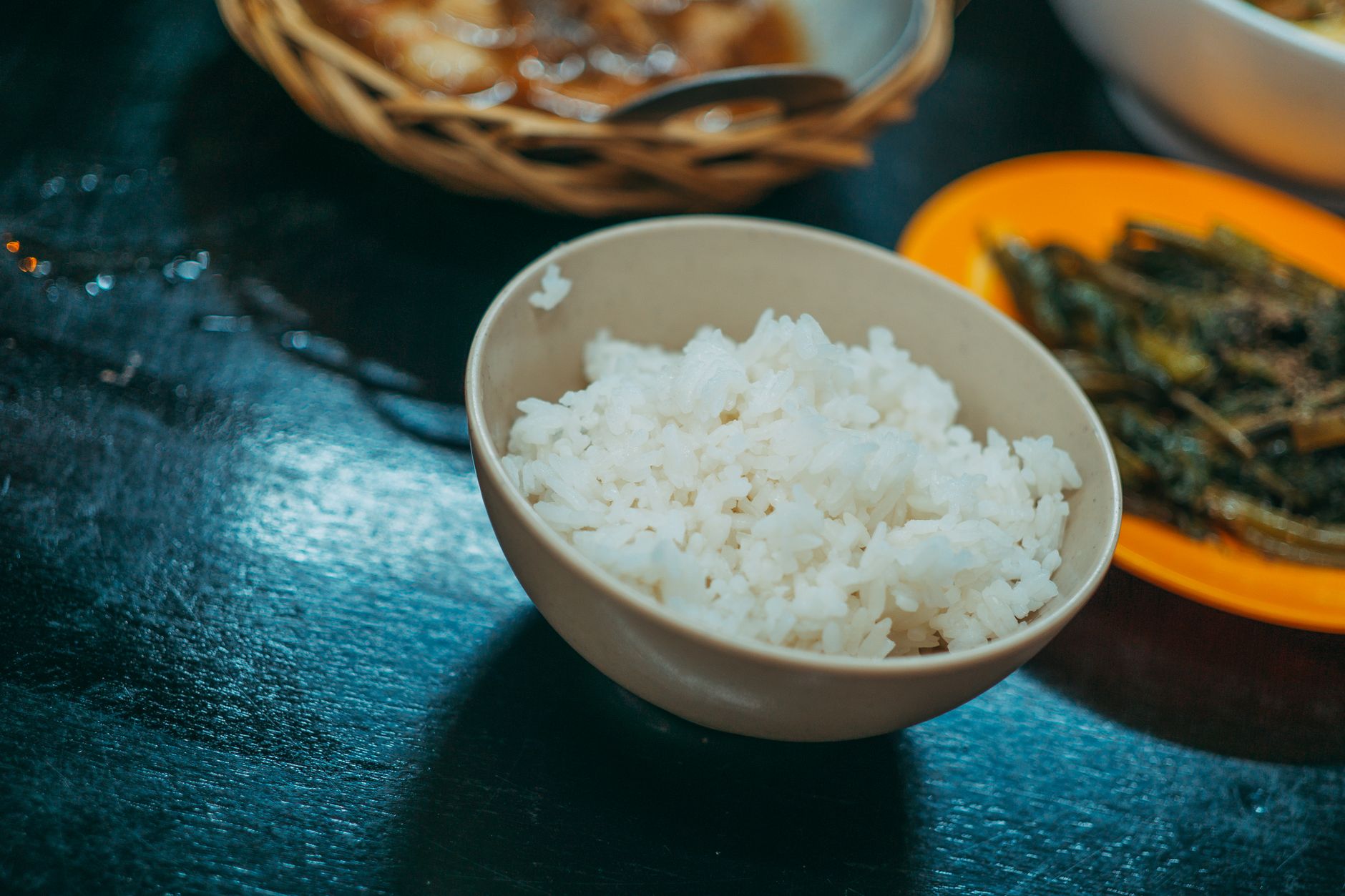
Rice is a staple food in many diets worldwide, but its carbohydrate content often raises questions among health-conscious individuals. Understanding how many carbohydrates are in rice can help you make informed choices about your meals, especially if you’re managing your carbohydrate intake for dietary reasons.
This article will explore the carbohydrate content of various types of rice, typical serving sizes, and how rice fits into different dietary plans. By the end, you will have a clear understanding of whether rice has a lot of carbs and how to incorporate it into your meals.
Does Rice Have a Lot of Carbs?
Yes, rice is relatively high in carbohydrates. Depending on the type, a typical serving of rice can contain anywhere from 30 to 45 grams of carbohydrates, primarily in the form of starch. Understanding these numbers can inform your meal choices, particularly if you’re following a low-carb or ketogenic diet.
Carbohydrate Breakdown by Rice Type
The carbohydrate content in rice can vary significantly depending on its type. Here’s a closer look at some common varieties of rice and their corresponding carbohydrate content per cooked one-cup serving.
| Type of Rice | Carbohydrates (g) | Notes |
|---|---|---|
| White Rice | 45 | Common type, stripped of bran and germ. |
| Brown Rice | 45 | Whole grain, more fiber. |
| Jasmine Rice | 38 | Aromatic, popular in Southeast Asian cuisine. |
| Basmati Rice | 39 | Long grain, nutty flavor. |
| Wild Rice | 35 | Technically a grass, higher in protein. |
| Instant Rice | 38 | Pre-cooked, quick preparation. |
Understanding Serving Sizes
Serving sizes are crucial when considering carbohydrate intake. A standard serving of cooked rice is typically one cup, which can provide a significant portion of daily carbohydrate needs. However, portioning can be adjusted based on individual dietary goals and needs.
Here’s a guideline on how serving sizes affect carbohydrate intake:
- 1/4 cup cooked rice: Approximately 11-12 grams of carbohydrates.
- 1/2 cup cooked rice: Approximately 22-23 grams of carbohydrates.
- 1 cup cooked rice: Approximately 30-45 grams of carbohydrates (depending on the type).
Rice and Dietary Considerations
For those managing carbohydrate intake due to health conditions like diabetes, understanding rice’s carb content is essential. Rice can result in quick spikes in blood sugar levels if consumed in large amounts, especially when it’s white rice. Here are a few dietary considerations when it comes to rice:
1. Low-Carb Diets
If you’re following a low-carb diet, such as the ketogenic or Atkins diet, you might want to limit your intake of rice. Smaller portions can be integrated, but it is often advisable to seek alternatives such as cauliflower rice or other low-carb grains.
2. Diabetic Considerations
Individuals with diabetes should be cautious with rice portions. Opting for brown rice or wild rice can be beneficial due to their higher fiber content, which can help regulate blood sugar levels. It’s also advisable to pair rice with protein or healthy fats to slow down carb absorption.
3. Health-Conscious Choices
For those looking to maintain a balanced diet while enjoying rice, consider the whole grain options like brown rice and wild rice. These types of rice not only provide more fiber but also essential nutrients compared to white rice, which is milled and stripped of several nutrients.
Practical Tips for Cooking Rice
Successfully cooking rice that is both fluffy and nutritious requires proper techniques. Follow these essential tips and techniques to ensure your rice turns out well:
- Rinse before cooking: Rinsing rice helps to remove excess starch, preventing it from becoming gummy. Rinse under cold water until the water runs clear.
- Use the right water-to-rice ratio: Typically, the ratio is 2 cups of water for every 1 cup of white rice and 2.5 cups of water for brown rice.
- Let it rest: After cooking, let the rice sit covered for 5-10 minutes. This step allows excess steam to escape and helps achieve the desired texture.
- Flavor the water: Consider adding herbs or broth to the cooking water for additional flavor.
Rice Alternatives and Substitutions
If you’re looking to reduce carb intake but still enjoy meals that incorporate rice, consider the following alternatives:
- Cauliflower Rice: Grated cauliflower is a popular low-carb substitute for rice. It provides a similar texture and works well in stir-fries and grain bowls.
- Quinoa: Though it contains carbs, quinoa is a higher-protein grain that also offers essential nutrients, making it a beneficial option for a well-rounded diet.
- Shirataki Rice: Made from konjac yam, shirataki rice is extremely low in carbohydrates and calories, making it an excellent substitute for those on strict low-carb diets.
- Brown Rice Pasta: For a different texture and flavor while enjoying a rice-based dish, consider using brown rice pasta, which is gluten-free and offers a healthier profile than regular pasta.
Common Mistakes When Cooking Rice
Cooking rice can be simple, but there are a few common pitfalls to avoid to achieve the best results:
- Not measuring water accurately: The right water-to-rice ratio is crucial. Too much water can make rice mushy, while too little can leave it undercooked.
- Skipping the rinsing step: If you overlook this, your rice may become sticky and clump together.
- Lifting the lid while cooking: Each time you lift the lid, you let steam escape, which can prolong cooking time and lead to uneven texture.
- Not allowing to rest: Skipping the resting period after cooking can affect the texture, leaving the rice overly wet or gummy.
Serving Suggestions for Rice
Rice is a versatile ingredient that can complement a variety of dishes. Here are some delicious serving suggestions:
- Pair with proteins: Rice pairs excellently with grilled chicken, beef stir-fry, shrimp, or tofu to create a balanced meal.
- Add vegetables: Incorporate sautéed or steamed vegetables for added nutrition and color.
- Make a grain bowl: Create a grain bowl with rice as a base, topped with your choice of proteins, vegetables, nuts, and sauces for a nutrient-rich meal.
- Use in soups: Add cooked rice to vegetable soups or chicken broth for a hearty touch.
Storing and Reheating Rice
Proper storage and reheating are also essential to maintain rice’s quality:
Storage:
Cooked rice should be stored in an airtight container in the refrigerator for up to 4-6 days. Avoid leaving cooked rice at room temperature for extended periods, as this can promote bacterial growth.
Reheating:
When reheating rice, add a splash of water to help create steam and prevent it from drying out. You can reheat in the microwave or on the stovetop. Ensure it reaches a minimum temperature of 165°F (74°C) for safe consumption.
Conclusion
Rice is a significant source of carbohydrates, providing essential energy in a typical serving. While it can be high in carbs, understanding its role in your diet can help you make smarter choices about portions and types. If you’re looking to reduce your carbohydrate intake, consider alternatives like cauliflower rice or quinoa. Overall, rice can be a part of a balanced diet when used thoughtfully.
To learn more about rice and its health effects, check out our articles on whether rice is fattening and the proper water-to-rice ratio for cooking. Explore these resources for further insights into cooking and enjoying rice.