
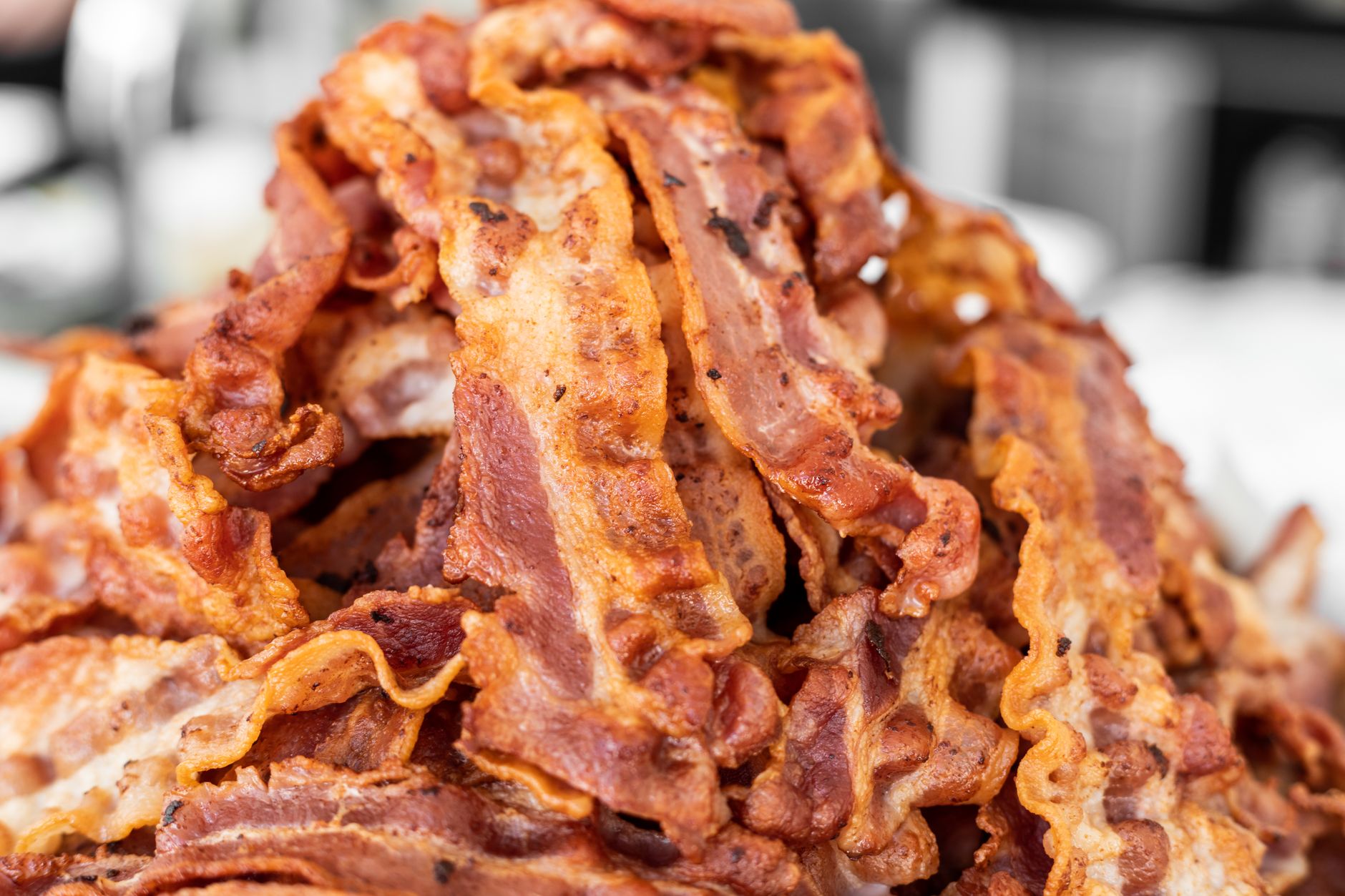
Turkey bacon is a popular alternative to traditional pork bacon, favored by many for its lower fat content and lighter flavor. It’s often enjoyed as part of breakfast or incorporated into various dishes. However, when it comes to preparing turkey bacon, the question arises: can you eat turkey bacon raw?
The short answer is no; consuming turkey bacon raw is not safe. Turkey bacon is typically made from fully cooked turkey meat and often contains curing agents, but it is advisable to cook it thoroughly before consumption. Getting familiar with food safety practices is crucial to enjoy this delicious meat without any health risks.
Can You Eat Turkey Bacon Raw?
No, it is not safe to eat turkey bacon raw. While turkey bacon is often pre-cooked or partially cooked during processing, it can still harbor bacteria that can lead to foodborne illnesses if consumed uncooked. To ensure safety, turkey bacon should always be cooked until it is crispy and heated to the appropriate internal temperature.
Understanding Turkey Bacon
Turkey bacon is an alternative to traditional pork bacon, made from ground turkey meat that is seasoned, cured, and then processed into strips resembling traditional bacon. Its texture, flavor, and nutritional profile differ from pork bacon, making it a popular choice for those seeking a healthier option.
Flavor and Texture
Turkey bacon has a milder flavor compared to pork bacon. It usually has a slightly smoky and savory seasoning. In terms of texture, it is leaner and can become crispy when cooked, although it may not have the same natural fat marbling as pork bacon. This gives it a unique, yet satisfying crunch that many enjoy in various dishes.
Nutritional Information
One significant advantage of turkey bacon is its lower fat content, making it a healthier option for those watching their fat intake. Depending on the brand, turkey bacon generally contains fewer calories and saturated fats than traditional bacon. Nonetheless, one must check product labels since additives and sodium levels can vary widely across brands.
Food Safety and Preparation Tips
Understanding food safety is paramount when handling turkey bacon. While it can often be found pre-cooked, here are essential tips and guidelines to ensure you prepare and consume turkey bacon safely.
Food Safety Guidelines
- Always check the packaging for storage instructions. Turkey bacon should be refrigerated and consumed before the “use by” date.
- Before cooking, wash your hands and all utensils that will come into contact with the raw bacon.
- Cook turkey bacon to an internal temperature of 165°F (74°C). Use a food thermometer to ensure it reaches this safe temperature.
- Never leave cooked turkey bacon at room temperature for more than two hours to avoid bacterial growth.
- Store any leftovers in an airtight container in the refrigerator and consume within three to four days.
Preparation Techniques
Cooking turkey bacon can be done through various methods, each producing different results in flavor and texture. Here are the most common methods:
Pan-Frying Turkey Bacon
- Preheat a non-stick skillet over medium heat.
- Place strips of turkey bacon in the skillet without overlapping.
- Cook for about 6 to 8 minutes, flipping occasionally, until the bacon is crispy and reaches an internal temperature of 165°F (74°C).
- Remove from the pan and drain on paper towels to absorb excess grease.
Baking Turkey Bacon
- Preheat your oven to 400°F (200°C).
- Line a baking sheet with aluminum foil or parchment paper for easy cleanup.
- Arrange turkey bacon strips in a single layer on the baking sheet.
- Bake for 15 to 20 minutes, flipping halfway through, until crispy.
- Using a meat thermometer, check the internal temperature reaches at least 165°F (74°C) before removing from the oven.
Microwaving Turkey Bacon
- Lay turkey bacon strips between paper towels on a microwave-safe plate.
- Microwave on high for 4 to 6 minutes or until crispy, checking often.
- Ensure the internal temperature has reached at least 165°F (74°C) before serving.
Common Mistakes to Avoid
When cooking turkey bacon, it’s essential to avoid common pitfalls that might result in undercooked or unpalatable bacon:
- Cooking at too high of a temperature can result in uneven cooking or burnt edges. Always use medium heat.
- Not allowing enough time for the turkey bacon to become crispy can lead to a rubbery texture. Be patient while it cooks.
- Forgetting to use a food thermometer. It’s crucial to check the internal temperature to avoid foodborne illnesses.
Storage and Reheating Recommendations
Proper storage and reheating of turkey bacon are vital to maintain its quality and safety. Follow these guidelines:
Storage
- Unopened turkey bacon can typically be stored in the refrigerator for up to a week and can be frozen for up to six months. After opening, keep it tightly sealed.
- Leftover cooked turkey bacon should be stored in an airtight container in the refrigerator and can be kept for three to four days.
Reheating
- The best way to reheat cooked turkey bacon is in a skillet over low heat, allowing it to warm up without becoming tough.
- Alternatively, you can reheat in the microwave in short intervals, checking to ensure it does not overcook.
- Avoid reheating turkey bacon in a toaster as it might not heat evenly.
Substitutions and Variations
If you’re considering alternatives to turkey bacon, various substitutions can provide similar flavors or textures:
- **Vegetarian or Vegan Options**: Products made from soy or seitan resemble the taste and texture of bacon while being meat-free.
- **Pork Bacon**: If a lower fat content is not crucial, pork bacon can be used but requires proper cooking times to ensure safety.
- **Chicken Bacon**: Similar in taste and preparation to turkey bacon, chicken bacon is another low-fat option.
Recipe Inspiration with Turkey Bacon
Turkey bacon can be a versatile ingredient in various dishes. Here are a few ideas to incorporate it into your meals:
Turkey Bacon Breakfast Burrito
- Scramble eggs with diced bell peppers and onions, and add in crispy turkey bacon.
- Wrap in a whole wheat tortilla with spinach and cheese for a healthy breakfast option.
Turkey Bacon Avocado Toast
- Layer ripe avocado on toasted whole-grain bread, top it with crispy turkey bacon, and sprinkle with red pepper flakes for added flavor.
Turkey Bacon Lettuce Wraps
- Use crisp, Romaine lettuce leaves as wraps, adding cooked turkey bacon, grilled chicken, and your choice of toppings for a low-carb meal.
Final Thoughts
While turkey bacon offers a delicious and healthier alternative to traditional bacon, consuming it raw is not recommended. Always ensure you cook turkey bacon thoroughly to enjoy its flavor and texture while prioritizing food safety. Remember to explore various cooking methods and delicious meal ideas to make the most of your turkey bacon.
If you’re looking for more delicious recipes or cooking tips, check out our guides on how long to deep fry a turkey and learn how to make turkey broth for your favorite dishes.