
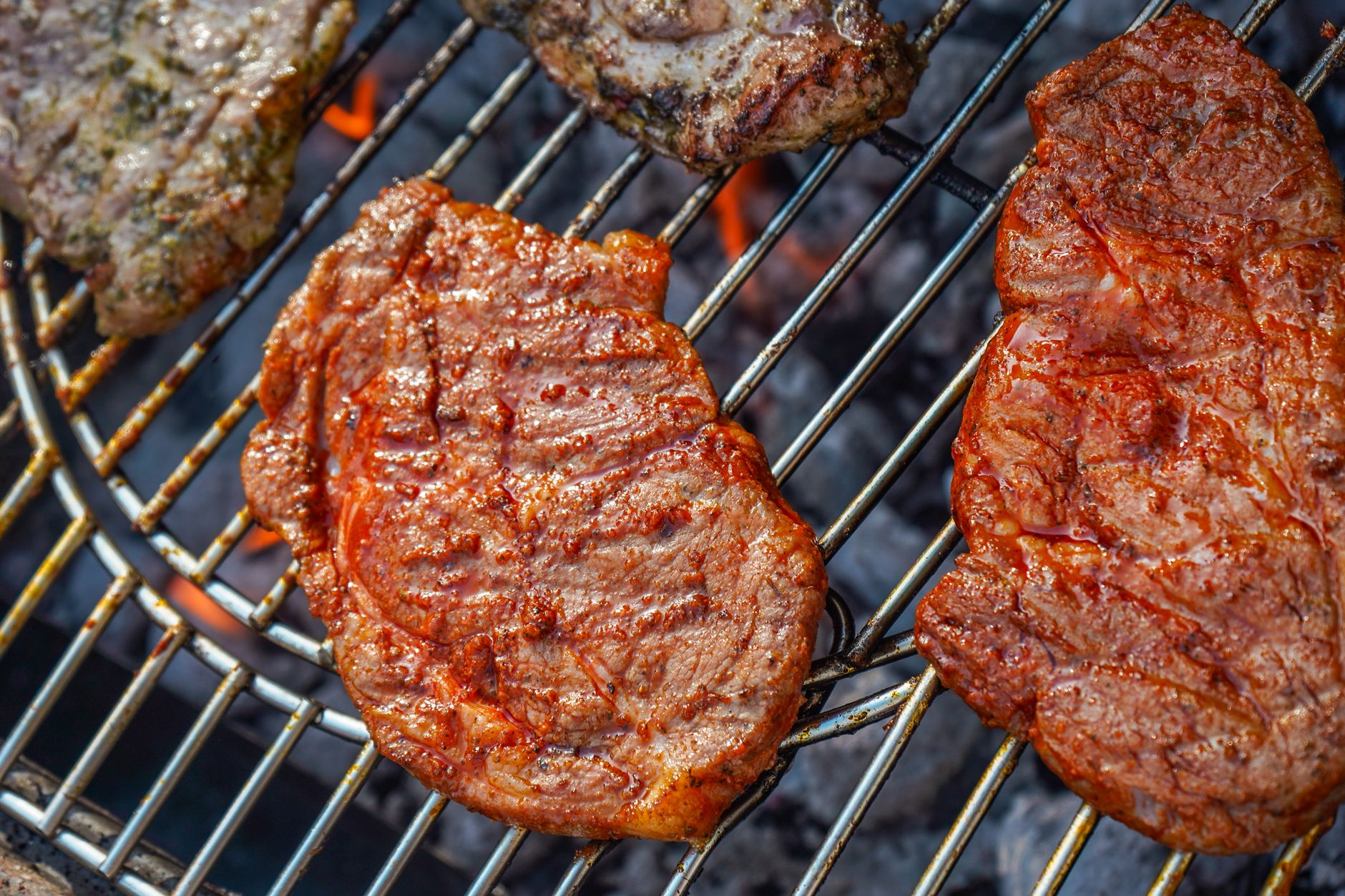
Many people enjoy red meat as a staple in their diet, but concerns regarding its impact on cholesterol levels are widespread. Understanding the nuances behind red meat, cholesterol, and overall heart health can empower consumers to make informed dietary choices. This article explores the relationship between red meat and cholesterol, shedding light on dietary considerations.
With increasing information on various diets and health trends, it’s essential to dissect the science behind red meat consumption. Does eating red meat actually raise cholesterol levels? What are the considerations for a balanced diet? Let’s delve into the details.
Does Red Meat Increase Cholesterol?
Yes, red meat can increase cholesterol levels, particularly when consumed in large quantities and when it is highly processed. Studies show that saturated fats and cholesterol present in red meat can contribute to elevated cholesterol levels in some individuals. However, the relationship is complex and contributions vary based on individual dietary habits, lifestyle, and the type of meat consumed.
Red meat includes beef, lamb, and pork, which can be a good source of protein, iron, and other nutrients. However, the type of cuts, cooking methods, and frequency of consumption all play significant roles in their effects on cholesterol levels. To better understand this relationship, let’s explore the types of saturated fats found in red meat and how they interact with cholesterol.
The Science of Cholesterol
Cholesterol is a waxy substance found in your blood, essential for making hormones, vitamin D, and substances that help digest foods. Although your body needs cholesterol, high levels of low-density lipoprotein (LDL) cholesterol – often referred to as “bad” cholesterol – can lead to heart disease. Conversely, high-density lipoprotein (HDL) cholesterol is considered “good” because it carries cholesterol away from the cells and back to the liver for excretion.
Saturated Fats and Their Role
Saturated fats, primarily found in animal products such as red meat and dairy, can raise LDL cholesterol levels. Therefore, the consumption of high-fat cuts or processed red meats can lead to increased cholesterol levels. Not all red meats are created equal; fatty cuts, like ribeye or T-bone steaks, have higher levels of saturated fat compared to leaner cuts.
Types of Red Meat
Different types of red meat can have varying effects on cholesterol levels. Understanding which types are healthiest can help make informed choices.
1. Beef
- Lean Cuts: Cuts like sirloin or tenderloin are lower in fat and may have less impact on cholesterol levels.
- Fatty Cuts: Cuts such as ribeye or ground beef with higher fat content can contribute to increased cholesterol levels.
2. Pork
- Lean Pork: Tenderloin and loin chops are leaner options.
- Pork Products: Bacon and sausages are often high in saturated fats and should be consumed sparingly.
3. Lamb
- Cuts to Choose: Leg of lamb and shoulder are typically leaner than other options.
- Fat Content: Lamb can be fattier than beef, making portion control essential.
Processing Matters
Highly processed meats, such as sausages, hot dogs, and deli meats, often contain preservatives and added fats, which can further exacerbate cholesterol issues. Studies suggest that reducing consumption of processed red meats is beneficial for overall heart health. Be cautious of labels and opt for fresh cuts when possible.
How Much Red Meat is Too Much?
The American Heart Association suggests limiting red meat consumption to maintain cardiovascular health. A general guideline is to aim for no more than 6 ounces per day of cooked red meat, especially fatty cuts. Consider these portion control tips to help manage intake:
- Use lean cuts of meat when possible.
- Incorporate red meat into meals with plenty of vegetables or grains.
- Limit processed red meats and opt for fresh, unprocessed options.
Cooking Techniques That Impact Cholesterol
The way meat is prepared can also influence its health implications. Cooking methods that involve high temperatures, such as grilling or frying, can lead to the formation of harmful compounds that may further affect health negatively. Instead, consider these healthier cooking techniques:
- Grilling: Reduces fat but avoid charring.
- Roasting: Retains moisture while allowing fat to drip away.
- Steaming: Preserves nutrients without added fat.
- Braising: A slow cooking method that tenderizes while allowing fat to render out.
Balancing Your Diet with Red Meat
Incorporating red meat into a balanced diet is achievable with careful thought. Focus on moderation, variety, and pairing with nutritious foods:
- Pair with Fiber: Foods high in fiber, such as vegetables, legumes, and whole grains, can help lower cholesterol levels.
- Include Healthy Fats: Use sources like olive oil and avocados instead of saturated fats.
- Stay Hydrated: Drink plenty of water alongside meals.
Alternatives to Red Meat
For those looking to reduce red meat intake, numerous protein-rich alternatives offer a nutritious punch without the saturated fat:
- Poultry: Chicken and turkey are leaner alternatives.
- Fish: Fatty fish like salmon and mackerel provide omega-3 fatty acids beneficial for heart health.
- Plant-Based Proteins: Legumes, tofu, and tempeh are excellent substitutes.
Individual Variation
It’s important to note that individual responses to red meat can vary significantly based on genetics, overall diet, and lifestyle factors. While some may see an increase in cholesterol levels with red meat consumption, others may not experience the same effects. Regular check-ups and cholesterol screenings are essential for understanding personal health risks.
Tips for Low-Cholesterol Meal Planning
Planning meals that balance red meat with heart-healthy options can be straightforward. Here’s a practical approach:
- Select Lean Cuts: Choose lean cuts of red meat and aim to limit intake to a few times a week.
- Fill Half Your Plate with Vegetables: Aim for a variety of colors and types to maximize nutrient intake.
- Include Whole Grains: Opt for brown rice, quinoa, or whole-wheat bread.
- Limit Sauces: Use herbs and spices instead of creamy sauces or those high in sugar.
- Plan for Leftovers: Cook larger portions of lean meat and use leftovers in salads, sandwiches, or stir-fries.
Common Mistakes to Avoid
When managing red meat consumption and cholesterol, avoiding common pitfalls can lead to better health outcomes. Here are some to watch out for:
- Ignoring Portion Sizes: It’s easy to overestimate a serving size. A portion of meat should generally be about the size of a deck of cards.
- Choosing The Wrong Cuts: Fatty cuts can easily undermine health goals if not chosen wisely.
- Neglecting Cooking Methods: Opting for fried or charred meats can introduce harmful compounds.
- Relying Solely on Red Meat: A varied diet is vital; ensure other protein sources are included.
Storage and Reheating Guidelines
Proper handling and storage of red meat is crucial to prevent foodborne illnesses. Here are some effective methods:
- Refrigeration: Store meat in the coldest part of your fridge and use within 3-5 days.
- Freezing: Freeze for longer storage – wrap tightly in plastic or freezer paper to prevent freezer burn.
- Thawing: Thaw in the refrigerator, under cold water, or in the microwave, never at room temperature.
When reheating, ensure that red meat reaches a safe internal temperature of 165 degrees Fahrenheit to kill any bacteria. Using a food thermometer can help ensure food safety.
Final Thoughts
Red meat can play a role in a balanced diet, but moderation and mindful choices are key to managing cholesterol levels. Understanding the intricacies of red meat consumption will help you make healthier decisions while still enjoying favorite meals. Always listen to your body and consult a healthcare professional when needed.
Explore more about various cooking methods and health considerations related to other meats. For detailed insights on the implications of red meat consumption and its health impacts, check out discussions on red meat and cancer risks as well as protein content in ground beef. These resources will enhance your understanding and empower your dietary choices.