
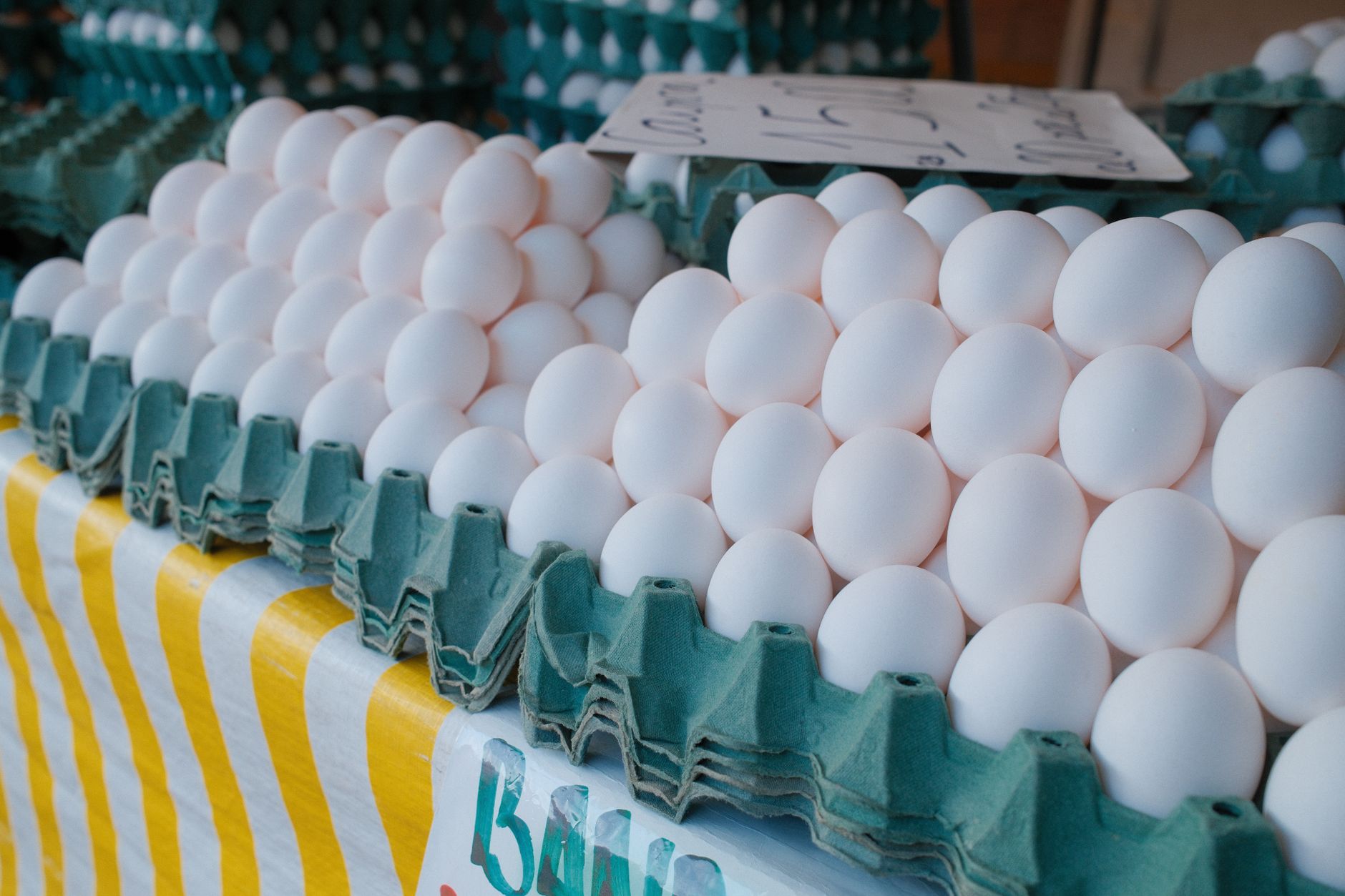
When navigating the world of food and dietary preferences, understanding food categories is essential. One common question arises: do eggs count as dairy? This inquiry is particularly relevant for individuals following specific diets or managing food allergies.
Eggs and dairy are distinct food groups; thus, eggs are not classified as dairy. This article explores the differences between these categories, addresses common misconceptions, and provides practical insights for ingredient selection and label reading.
Do Eggs Count as Dairy?
No, eggs do not count as dairy. Dairy products come from the milk of mammals, such as cows, goats, or sheep, while eggs are produced by birds. Dairy products include milk, cheese, yogurt, and butter, which contain lactose, a sugar found in milk. As a result, eggs are not only nutritionally different but also functionally separate in cooking and baking.
Understanding Dairy Products
Dairy products are typically categorized as any food made from the milk of mammals. They provide a variety of nutrients that are beneficial to health. Here’s a closer look at common dairy items:
- Milk: A liquid food that contains calcium, protein, and vitamin D. It serves as a base for many other dairy products.
- Cheese: Made by curdling milk and separating the solids from the liquids. It is rich in fats, proteins, and various minerals.
- Yogurt: Produced by fermenting milk with beneficial bacteria. It is a source of probiotics and can be lower in lactose than milk.
- Butter: A fat derived from cream, high in saturated fats but often used for flavor and texture in cooking.
Understanding Eggs
Eggs, particularly those from chickens, are a protein-rich food packed with vitamins and minerals. They are included in various diets for their versatility and nutritional benefits. Key attributes of eggs include:
- Protein Source: Eggs are an excellent source of high-quality protein, containing all the essential amino acids.
- Nutritional Value: Eggs contain vitamins such as B12, D, and riboflavin, as well as important minerals like selenium and choline.
- Versatile Ingredient: Eggs can be cooked in numerous ways (boiled, poached, scrambled, etc.) and serve as a binder or leavening agent in various recipes.
Common Misconceptions
The confusion between eggs and dairy is common, especially for those new to dietary restrictions or label reading. Here are some common misconceptions regarding eggs and dairy:
- Vegetarian and Vegan Diets: While many vegetarians consume eggs (lacto-ovo vegetarians), vegans avoid all animal products, including both eggs and dairy.
- Allergy Concerns: Some individuals may confuse lactose intolerance, which affects dairy consumption, with egg allergies. They are two separate conditions, requiring different dietary adjustments.
- Cooking Substance: Eggs and dairy can both be used in cooking, but often serve different purposes—eggs for binding and structure, dairy for creaminess and moisture.
Ingredient Label Reading Tips
For individuals managing allergies or dietary preferences, understanding food labels is vital. Here are practical tips for reading ingredient labels, especially concerning eggs and dairy:
- Allergen Statements: Packages often list potential allergens at the end of the ingredient list. Look for terms like “contains eggs” or “contains milk.”
- Ingredient Sources: Be mindful of vague terms like “dairy derivatives.” If unsure, refer to the manufacturer’s website for clarification.
- Checking Ingredients: Familiarize yourself with common dairy products hidden in foods, including whey, casein, and lactose, which may appear in processed items.
Nutrition Labels and Dietary Restrictions
Navigating nutrition labels also aids in understanding the presence of eggs and dairy in food products. Below are components to scrutinize:
- Serving Size: Understand the serving sizes listed to accurately account for the nutritional content.
- Caloric Content: Evaluate how calorie sources come from fats, carbohydrates, and proteins.
- Added Sugars and Fats: Recognize how dairy products can contribute to total fat and sugar content in foods.
Alternative Products and Substitutions
For those avoiding dairy or eggs, many alternatives are available. Knowing how to substitute can enhance your culinary repertoire. Here’s a list of popular egg and dairy substitutes:
Egg Substitutes
- Flaxseed Meal: To replace one egg, mix 1 tablespoon of flaxseed meal with 2.5 tablespoons of water. Let it sit for 5 minutes to thicken.
- Chia Seeds: Similar to flaxseed, mix 1 tablespoon of chia seeds with 2.5 tablespoons of water. Allow it to gel before use.
- Unsweetened Applesauce: Use 1/4 cup of applesauce to substitute one egg in sweet baked goods.
- Silken Tofu: Blend 1/4 cup of silken tofu to replace one egg in dense recipes like brownies or pancakes.
Dairy Substitutes
- Almond Milk: A popular dairy-free milk, great for smoothies and cereal. Unsweetened varieties save on sugar.
- Coconut Yogurt: A dairy-free alternative rich in probiotics. Choose plain varieties to avoid added sugars.
- Cashew Cream: Blend soaked cashews with water for a creamy base in sauces and soups, similar to heavy cream.
- Nutritional Yeast: Provides a cheese-like flavor in vegan dishes and can be sprinkled as a topping or used in sauces.
Cooking and Baking with Eggs and Dairy Alternatives
When using egg or dairy substitutes, awareness of culinary results is key. Substitutions can significantly impact texture and flavor:
Baking with Alternative Ingredients
Baking requires precision, so consider these tips when using substitutes:
- Vegan Baking: Incorporate baking soda or powder with wet ingredients when substituting eggs for better rise.
- Texture Adjustments: Egg substitutes may result in denser baked goods, adjust liquid ingredients as needed to achieve desired consistency.
Cooking Techniques
While eggs typically bind and add moisture, they can also contribute flavor. Here’s how to adjust cooking techniques with substitutes:
- Scrambled Dishes: Use tofu for scrambles—season and cook on medium heat until heated through and slightly browned.
- Casseroles: Incorporate vegetable or nut-based creams to replace dairy while adding depth and richness.
Common Mistakes with Eggs and Dairy in Cooking
When using eggs and dairy, be vigilant as common cooking slips may occur:
- Overbeating Eggs: Excessive beating can lead to tough textures in dishes like omelets. Beat just until blended.
- Incorrect Substitution Ratios: Using too much or too little of a substitute can lead to unexpected results. Always measure carefully.
- Ignoring Ingredient Temperature: Using cold eggs or dairy can affect the emulsion in batters. Allowing ingredients to reach room temperature enhances texture.
Storage Guidelines for Eggs and Dairy
Proper storage of eggs and dairy is crucial to ensure freshness and minimize foodborne illness risks:
- Eggs: Store eggs in the main compartment of the refrigerator, not in the door for optimal temperature stability.
- Dairy Products: Ensure dairy is sealed tightly and kept at appropriate temperatures to prevent spoilage.
Understanding Dietary Needs and Choices
In today’s increasingly diverse food culture, individual dietary needs vary widely. Here are some considerations:
- Lactose Intolerance: Individuals with lactose intolerance may avoid dairy, opting for lactose-free products or plant-based alternatives.
- Low-Carbohydrate Diets: Eggs are often favored in low-carb diets for their high protein content and minimal carbohydrates.
- Keto Diet: Eggs and full-fat dairy products are staples in the keto diet, providing essential fats and proteins.
Conclusion
Understanding the differences between eggs and dairy can help clarify dietary choices and cooking practices. Always read labels for allergens and explore alternative ingredients that align with your nutritional preferences. With a bit of knowledge and creativity, you can adapt recipes to suit your dietary needs while enjoying delicious meals.
Explore related recipes, cooking tips, or food guides for more culinary inspiration. Check out how many calories are in pho or learn about the calories in 2 scrambled eggs for insights into your meals.