
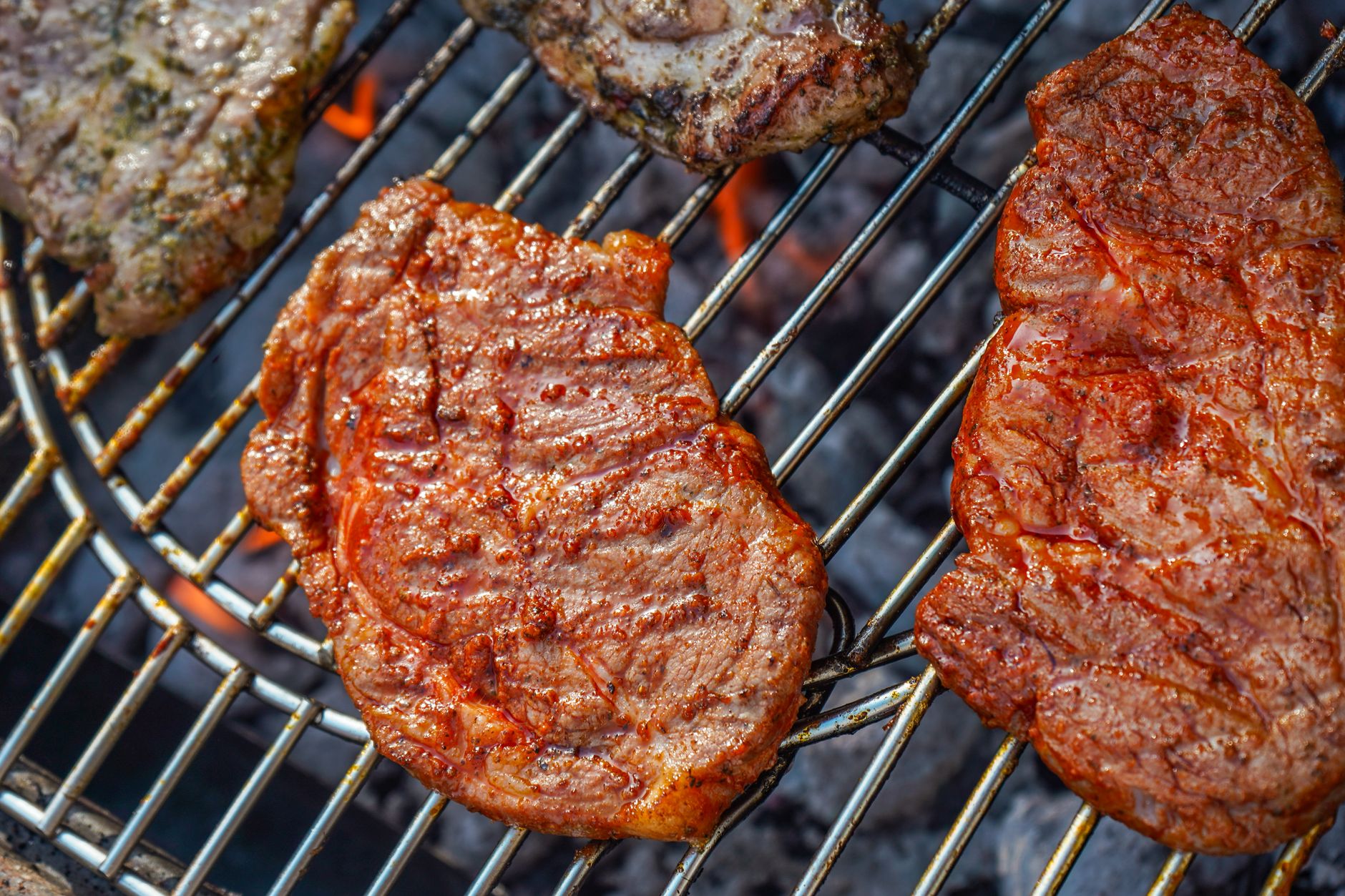
Red meat has been a staple in many cultures and cuisines, providing a source of protein, iron, and essential nutrients. However, recent discussions have stirred concern about its potential connection to cancer. This article will explore the claim “Does red meat cause cancer?” by examining scientific research, dietary guidelines, and practical suggestions for incorporating red meat into a balanced diet.
By understanding the nuances behind red meat consumption and its potential health implications, readers may make informed dietary choices. Additionally, we will provide tips on how to enjoy red meat safely while maintaining a health-conscious lifestyle.
Does Red Meat Cause Cancer?
Yes, several studies suggest that high consumption of red meat may increase the risk of certain types of cancer, particularly colorectal cancer. The World Health Organization has classified processed meats as a Group 1 carcinogen and red meat as Group 2A, which means it possibly causes cancer in humans. However, the risk can be influenced by factors such as cooking methods, portion sizes, and individual genetic predisposition.
Understanding Red Meat
Red meat typically refers to the meat of mammals, which includes beef, lamb, pork, and goat. While red meat is a great source of high-quality protein, iron, zinc, and B vitamins, it is essential to consider how it fits into a broader dietary pattern that prioritizes various fruits, vegetables, whole grains, and healthy fats.
Health Risks Associated with Red Meat
The potential link between red meat consumption and cancer is complex. Various factors contribute to the risk, including:
- Processing: Processed meats (such as bacon, sausages, and deli meats) tend to pose a higher risk due to the preservatives and additives used in their production.
- Cooking Methods: Cooking red meat at high temperatures, such as grilling or frying, can produce harmful compounds (e.g., heterocyclic amines or polycyclic aromatic hydrocarbons) that may increase cancer risk.
- Portion Sizes: Regularly consuming large portions of red meat can lead to higher intake levels and associated risks.
- Diet and Lifestyle: Factors such as overall dietary patterns, physical activity, and genetics also play a significant role in cancer risk.
Scientific Evidence
Numerous studies have evaluated the connection between red meat consumption and cancer risk. Here are some key findings:
Colorectal Cancer
The most substantial evidence links red meat consumption to colorectal cancer. Research from the American Institute for Cancer Research indicates that the risk increases with the amount of red meat consumed, especially when exceeding 18 ounces (cooked) per week. Studies support that increased processed meat intake correlates with the risk of this cancer type.
Other Cancers
While colorectal cancer shows the most correlation, some studies have also suggested links between high red meat consumption and other cancers, including:
- Pancreatic Cancer: Some epidemiological studies indicate a potential association, but results are mixed.
- Prostate Cancer: Some studies suggest that high consumption may increase prostate cancer risk, though this relationship needs further investigation.
- Stomach Cancer: The risk appears to be elevated, particularly with processed meats.
Recommendations for Red Meat Consumption
While the evidence indicates a potential risk associated with red meat, moderation and mindful consumption can help mitigate adverse effects. Here are some practical guidelines:
Portion Control
Consider limiting red meat intake to no more than 18 ounces per week, aligned with recommendations from health organizations. A serving size can be about three to four ounces, roughly the size of a deck of cards.
Choose Lean Cuts
Select lean cuts of red meat, such as:
- Sirloin
- Filet mignon
- Top round
- Eye of round
These options typically have lower fat content than other cuts, reducing calorie intake and potential health risks.
Avoid Processed Meats
Minimize or avoid processed meats, as they have a stronger link to cancer. Seek alternative protein sources such as poultry, fish, legumes, and plant-based options to add variety to your meals.
Cooking Methods Matter
Use healthier cooking methods to prepare red meat. Instead of grilling or frying, consider:
- Slow cooking
- Stewing
- Braising
- Roasting
These techniques can help reduce the formation of harmful compounds associated with high-temperature cooking.
Substitutions and Alternatives to Red Meat
If you aim to reduce red meat intake while maintaining a balanced diet, numerous alternatives are available. Here are some suitable options:
- Poultry: Chicken and turkey are leaner alternatives that provide a good protein source.
- Fish: Rich in omega-3 fatty acids, fish like salmon and sardines can contribute to heart health and lower cancer risks.
- Legumes: Beans, lentils, and chickpeas are excellent plant-based protein sources that are high in fibers and nutrients.
- Tofu and Tempeh: These soy products are versatile protein sources and can mimic the texture of meat in various dishes.
- Quinoa and Nuts: These can be used as substitutes in salads and side dishes, enriching nutrition without the added risks of red meat.
Practical Cooking Tips for Red Meat
For those who still enjoy red meat in moderation, here are some useful cooking tips:
Marinating
Marinating red meat can enhance flavor and tenderness while reducing harmful compounds. Use acidic ingredients, such as vinegar or citrus juice, which may help reduce the formation of heterocyclic amines during cooking.
Use Spices and Herbs
Adding spices and herbs increases flavor without excessive fat. Options such as:
- Garlic
- Rosemary
- Thyme
- Turmeric
not only enhance taste but may also provide health benefits and reduce potential risks when grilling or frying.
Opting for a Balanced Plate
When incorporating red meat into meals, balance it with plenty of vegetables, whole grains, and healthy fats. For instance, pair a grilled steak with a fresh salad, roasted vegetables, and a quinoa side dish.
Maintaining a Healthy Diet
Ultimately, the key to a healthy diet is balance. Don’t eliminate red meat entirely, but combine it with a variety of foods to ensure adequate nutrition. Focus on incorporating a diverse range of whole foods: fruits, vegetables, whole grains, lean proteins, and healthy fats.
Conclusion
While some studies indicate that high consumption of red meat, particularly processed varieties, may increase cancer risk, moderation, portion control, and mindful preparation are essential strategies for healthy eating. By understanding the potential risks associated with red meat and how to navigate them, individuals can still enjoy red meat safely within a balanced diet.
To explore more insights on cooking with meat, check out our delicious meatloaf seasoning recipe and prepare the perfect ground dish with our Mongolian ground beef recipe. They’re great additions to any meal plan that keeps flavor and health in mind.