
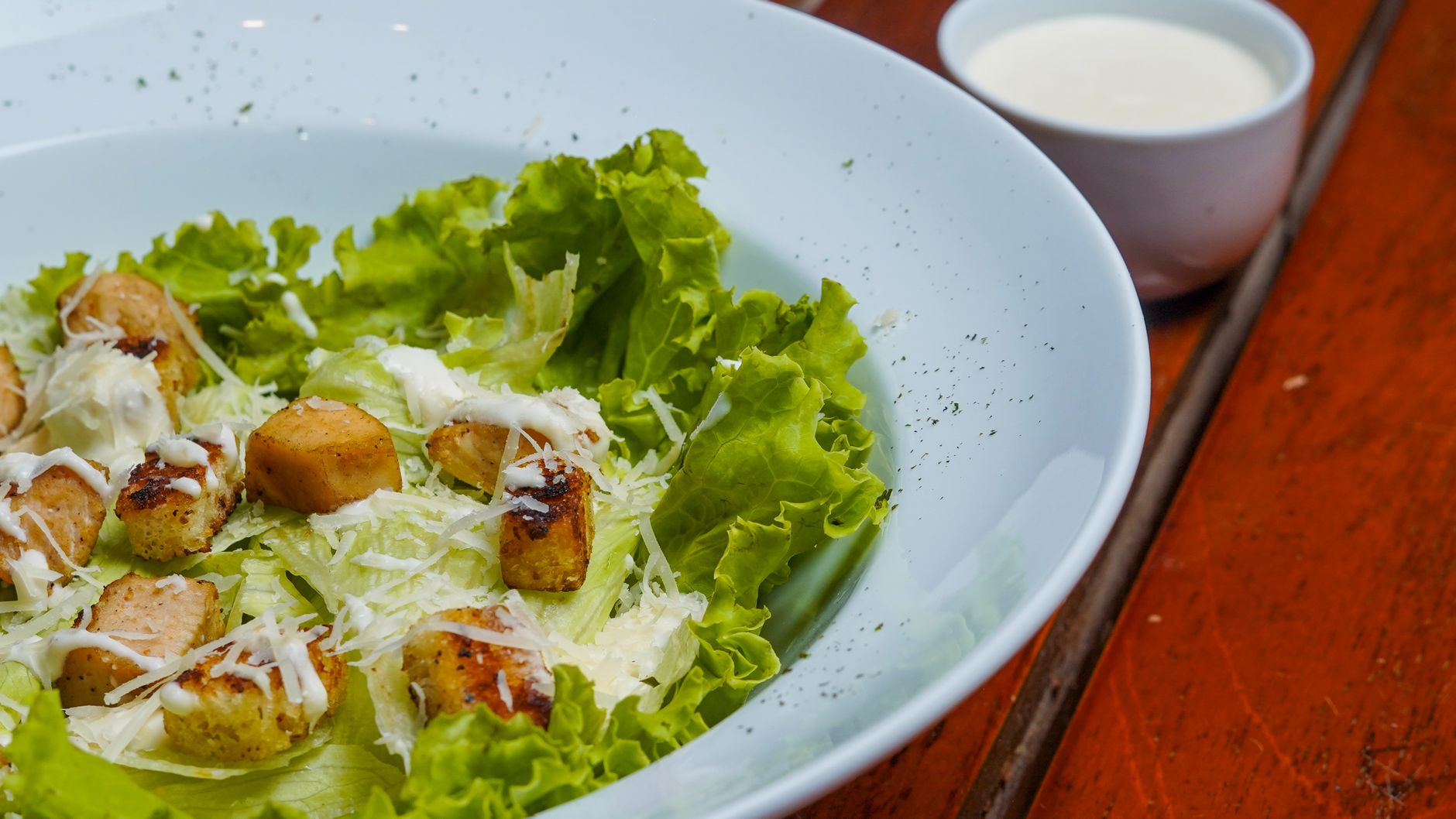
Caesar salad dressing is a classic staple in many kitchens, known for its rich and tangy flavor that perfectly complements the crisp greens of a Caesar salad. Understanding what this dressing is made of can help you create a delicious, homemade version that elevates your salads and even other dishes.
This article will guide you through the key ingredients of Caesar salad dressing, offering insights into their roles, potential substitutes, and how they contribute to the overall flavor profile. Whether you’re aiming for a traditional recipe or a modern twist, you will find useful information here.
What Is Caesar Salad Dressing Made Of?
Caesar salad dressing is primarily composed of several flavorful ingredients that work together to create its distinctive taste. The base typically includes anchovies, garlic, Dijon mustard, Worcestershire sauce, lemon juice, egg yolks, oil, and Parmesan cheese. Each ingredient serves a unique purpose that enhances the overall richness and complexity of the dressing.
The Core Ingredients of Caesar Salad Dressing
1. Anchovies
Anchovies are small, saltwater fish known for their strong flavor. In Caesar salad dressing, they provide umami, which deepens the overall taste. While many people might shy away from anchovies thinking they would overpower the dressing, they blend seamlessly, adding a savory depth without being fishy.
2. Garlic
Fresh garlic adds a pungent kick and aromatic quality to the dressing. It not only enhances the flavor profile but also provides a depth of character that balances the creaminess and acidity of other ingredients. For a milder taste, you can roast the garlic before adding it to the dressing.
3. Dijon Mustard
Dijon mustard contributes both tanginess and a bit of heat. It serves as an emulsifier, helping to combine the oil and other liquid components into a smooth dressing. This ingredient is essential for giving Caesar salad dressing its signature bite.
4. Worcestershire Sauce
This fermented condiment brings additional umami and complexity with its blend of flavors, including vinegar, molasses, and spices. A few dashes can uplift the dressing and complement the anchovies perfectly.
5. Lemon Juice
Freshly squeezed lemon juice adds acidity, which brightens the dressing and cuts through the richness. Its zesty flavor helps to balance the salinity from the anchovies and the creaminess of the oil and cheese.
6. Egg Yolks
Egg yolks create a creamy texture and help emulsify the dressing, giving it a luscious mouthfeel. Traditional Caesar recipes often use raw egg yolks, but you can substitute with mayonnaise for a safer option, particularly for those concerned about food safety.
7. Oil
A neutral oil, such as vegetable or canola, is typically used in Caesar salad dressing to create a smooth texture. The oil carries the flavors of other ingredients and helps emulsify the dressing. Olive oil can also be used for a firmer flavor but may change the taste profile slightly.
8. Parmesan Cheese
Freshly grated Parmesan cheese adds richness and a nutty flavor that complements the other ingredients. The cheese enhances the creaminess, and its granular texture provides an appealing mouthfeel. For a stronger flavor, consider using Pecorino Romano instead.
Making Caesar Salad Dressing: Method Overview
Making Caesar salad dressing is relatively simple. The key is to combine ingredients in a way that ensures they emulsify properly. Here’s a general method to create this delicious dressing:
- Start by finely mincing the anchovies and garlic.
- In a medium bowl, whisk together the minced anchovies, garlic, Dijon mustard, and Worcestershire sauce.
- Add the lemon juice and egg yolks (or mayonnaise), whisking until combined.
- While whisking continuously, slowly drizzle in your oil until the dressing thickens and emulsifies.
- Finally, stir in the grated Parmesan cheese and season with salt and pepper to taste.
Ingredient Substitutions and Variations
While the traditional Caesar salad dressing contains specific ingredients, you might be in need of substitutions for dietary reasons or ingredient availability. Below are some common alternatives:
- Anchovies: For a vegetarian version, replace anchovies with capers or miso paste to maintain the umami flavor.
- Egg Yolks: Use mayonnaise or yogurt as a base to avoid raw eggs. This will change the flavor slightly but maintain creaminess.
- Dijon Mustard: Any mustard can be used instead, although yellow mustard will be milder in flavor.
- Parmesan Cheese: Nutritional yeast offers a cheesy flavor without dairy and is suitable for vegan diets. Alternatively, any hard cheese can be grated in place of Parmesan.
- Worcestershire Sauce: For a gluten-free option, ensure to use a gluten-free variety or replace it with soy sauce mixed with vinegar.
- Oil: While a neutral oil is standard, consider using avocado oil or an extra virgin olive oil for a different taste.
Common Mistakes When Making Caesar Dressing
Making your own Caesar salad dressing may seem straightforward, but there are common pitfalls to watch out for:
- Overusing Anchovies: While anchovies contribute significant flavor, too much can overpower the dressing. Start with a small amount and adjust according to taste.
- Skipping the Emulsification: If you don’t whisk in the oil slowly or don’t whisk sufficiently, the dressing may separate. Always add oil gradually and whisk constantly.
- Using Pre-grated Cheese: Pre-grated cheeses often contain fillers that can affect the flavor and texture. Freshly grated cheese offers the best taste and creaminess.
- Using Bottled Lemon Juice: Fresh lemon juice provides a brightness that bottled versions cannot match. Always opt for fresh when possible.
Storage and Make-Ahead Tips
Homemade Caesar salad dressing can be made ahead of time, allowing the flavors to meld. Here are some useful tips for storage:
- Refrigeration: Store your dressing in an airtight container in the fridge. It can last for about one week, although flavors are best within the first few days.
- Avoiding Separation: If the dressing separates after sitting, simply whisk or shake it before use to bring it back together.
- Freezing: While it’s not ideal, you can freeze the dressing in small portions. However, some texture changes may occur when thawed.
Serving Suggestions
While Caesar salad dressing is traditionally used on Caesar salads, its versatility makes it a great addition to various dishes:
- Salads: Use it as a dressing for other crisp salads, such as romaine, kale, or even coleslaw for added flavor.
- Grilled Vegetables: Drizzle over grilled vegetables or use it as a dip for fresh veggies.
- Marinade: Use the dressing as a marinade for chicken, shrimp, or fish to impart great flavor before grilling or roasting.
- Sandwich Spread: Spread Caesar dressing on sandwiches or wraps for a zesty twist.
Making Caesar Salad
Now that you know how to prepare Caesar salad dressing, creating a complete Caesar salad is just as straightforward. Start by gathering your preferred greens, other ingredients, and equipment:
Ingredients for Caesar Salad
- 1 head of romaine lettuce, chopped
- Croutons, preferably homemade for freshness
- Freshly grated Parmesan cheese
- Freshly ground black pepper
- Additional toppings like grilled chicken or shrimp, if desired
Equipment
- Large mixing bowl
- Salad tongs
- Serving plate or platter
Steps to Assemble the Salad
- In a large mixing bowl, combine the chopped romaine lettuce with the desired amount of Caesar dressing and toss to coat evenly.
- Add croutons and toss gently to distribute.
- Transfer the salad to a serving plate.
- Top with grated Parmesan cheese and freshly ground black pepper.
- If using, add grilled chicken or shrimp for an added protein boost.
- Serve immediately.
Conclusion
Understanding what Caesar salad dressing is made of can enhance your culinary skills and allow you to enjoy this classic flavor in various forms. Familiarizing yourself with the ingredients, substitutions, and methods will empower you to make the dressing to your liking.
Try experimenting with your own variations or use it as a flavorful addition to other culinary creations. For more interesting dressings, consider checking out our Catalina Dressing Recipe and Chipotle Dressing Recipe. Happy cooking!