
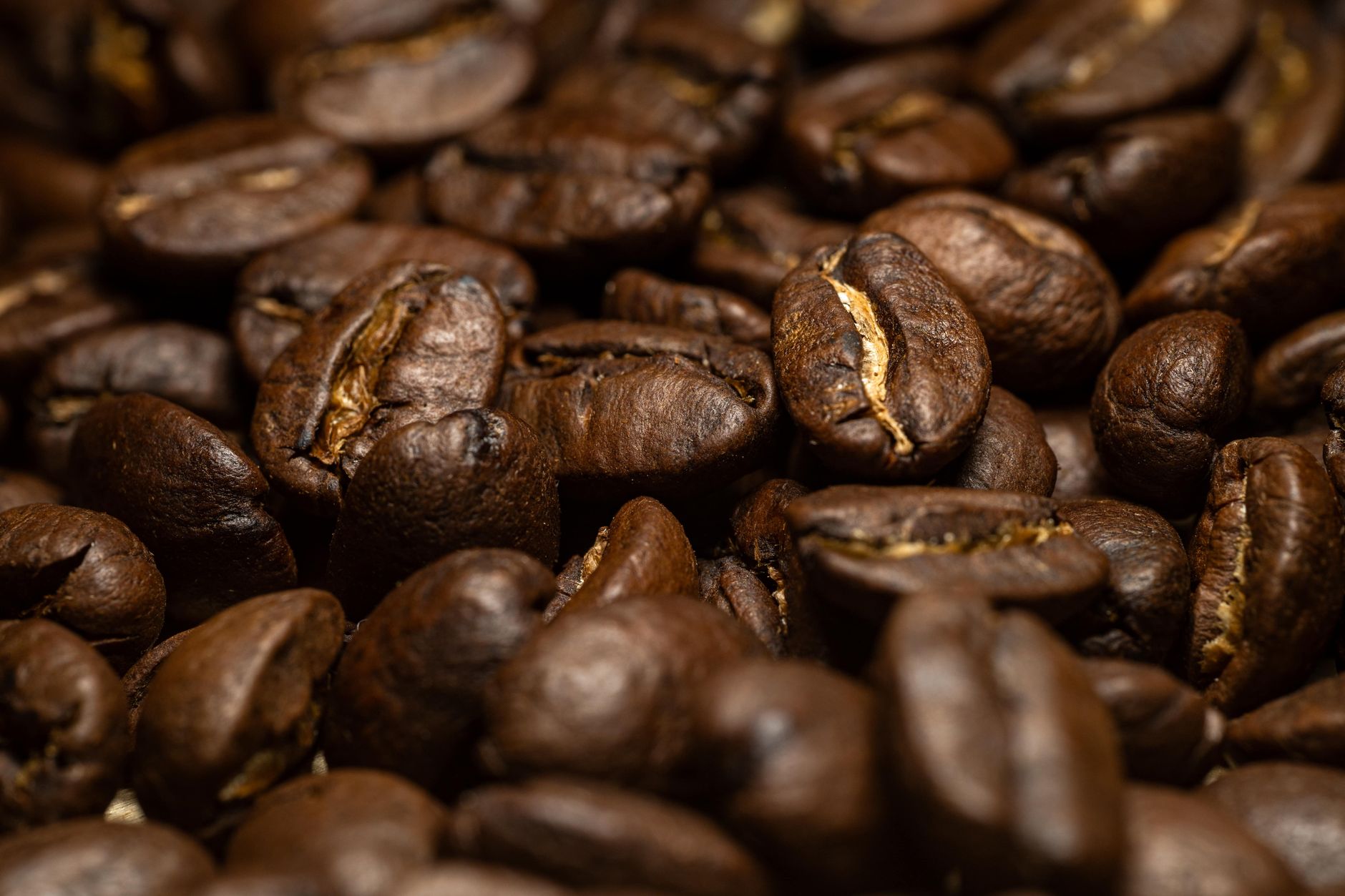
Coffee lovers often find themselves in heated debates about the intricacies of dark roast vs. light roast, particularly regarding caffeine content. Many assume that darker roasts pack a stronger punch of caffeine due to their more robust flavor. However, the truth is more complex than this assumption suggests.
In this article, we will explore whether dark roast coffee truly contains more caffeine than its lighter counterparts. We will delve into how caffeine levels are affected by various factors, provide guidance on choosing your coffee based on caffeine preferences, and help you better understand coffee roasts in general.
Does Dark Roast Have More Caffeine?
No, dark roast coffee does not necessarily have more caffeine than light roast. While the roasting process affects the overall flavor and aroma, it does not significantly alter the caffeine content of the coffee bean itself. In fact, light roasts often have slightly more caffeine by volume, but the difference is generally minimal.
Understanding Coffee Roasts
To fully appreciate the caffeine content of dark roast coffee, it’s essential to understand what coffee roasting entails. Coffee beans are heated to develop flavor compounds and aromas, resulting in various roast levels:
- Light Roast: Typically has a light brown color, retains more of the original coffee flavor, and has slightly higher caffeine levels.
- Medium Roast: Balanced flavor with a richer brown color, offering a compromise between the original coffee flavor and the roasted notes.
- Dark Roast: Dark brown to nearly black in color, has a strong, bold flavor with less of the original plant’s characteristics, and may seem stronger but is not necessarily more caffeinated.
How Roasting Affects Caffeine Content
The misconception that darker roasted coffee contains more caffeine can stem from how we prepare our coffee. Here’s how roasting specifically impacts caffeine:
Roasting Process
The roasting process can create chemical reactions within the coffee bean that lead to flavor development, but it does not significantly change caffeine levels. The beans lose mass during roasting, primarily due to moisture loss, which can slightly impact the volume of coffee you brew, but not the caffeine per bean.
Weight vs. Volume
A common source of confusion arises from the measurement of coffee. When measuring by weight, dark roast coffee has slightly less caffeine due to having lost some mass during roasting. Conversely, if you measure by volume (such as tablespoons), light roast coffee often has more caffeine because it is denser and provides more caffeine per volume.
Measure of Caffeine by Roast Type
Let’s examine some averages of caffeine content found in different types of coffee roasts to better illustrate the differences:
| Roast Type | Caffeine Content (per 8 oz cup) |
|---|---|
| Light Roast | 95 mg |
| Medium Roast | 90 mg |
| Dark Roast | 80 mg |
While these numbers provide an average, it’s essential to note that brewing methods, grind size, and bean origin can also influence caffeine variability.
Factors That Influence Caffeine Content
Several factors besides roast level can influence the caffeine content of your coffee:
1. Bean Type
Arabica and Robusta are two primary coffee bean types, with Robusta beans generally containing about double the caffeine of Arabica beans. Knowing which beans your coffee comes from can help assess the caffeine content more accurately.
2. Brewing Method
How you prepare your coffee has a significant impact on its caffeine content. For example, espresso has higher caffeine per ounce than brewed coffee, but because espresso servings are typically smaller (usually 1 ounce), people often consume more brewed coffee. Cold brews also often extract more caffeine because they steep longer.
3. Grind Size
The size of the coffee grind affects the extraction process during brewing. Finer grinds often yield more caffeine, as they expose more surface area to hot water. If you prefer a strong coffee, consider brewing methods like AeroPress or French press, which may allow for more extraction.
4. Brewing Time and Temperature
The longer and hotter you brew coffee, the more caffeine can be extracted. For instance, a longer steeping time in a French press or using a pour-over method can yield higher caffeine content.
Choosing Your Coffee Based on Caffeine Preferences
If caffeine content is your primary concern, consider these tips when choosing coffee:
- Opt for Light Roasts: If you want more caffeine per cup, go for lighter roasts that deliver higher caffeine levels.
- Investigate Bean Type: Choose Robusta beans for a more caffeinated kick, as they have a higher natural caffeine content than Arabica beans.
- Consider Brewing Methods: Select methods that maximize caffeine extraction, such as cold brew, which involves prolonged steeping and typically yields a richer cup.
Common Misconceptions
While many people maintain the belief that dark roast coffee has more caffeine, several misconceptions are prevalent:
1. Dark Roast Equals Stronger Flavor
Dark roast coffee’s bold flavor can create the impression of higher caffeine content, but it primarily stems from the roasting process rather than caffeine levels.
2. Bean Weight and Caffeine
Dark roast beans are lighter because they lose more mass during the roasting process. If weighing your coffee, dark roasts may yield a lower caffeine content due to this weight loss.
3. Caffeine Sensitivity
People’s sensitivity to caffeine varies. Some may feel that dark roasts are more potent, but this could relate to personal preference rather than a factual caffeine difference.
Practical Coffee Brewing Tips
Understanding how to maximize caffeine extraction can make a big difference in your coffee experience:
1. Use Coarse Ground Coffee for Cold Brew
If you enjoy cold brew, use coarsely ground coffee. This helps reduce bitterness while still extracting ample caffeine.
2. Experiment with Brewing Time
Don’t hesitate to adjust your brewing time. Longer times generally lead to increased caffeine extraction, especially with methods like French press or cold brew.
3. Consider Your Coffee-to-Water Ratio
Increasing the coffee-to-water ratio can significantly enhance caffeine content. If you normally use a standard 1:15 ratio, experiment with 1:12 for a stronger brew.
4. Pay Attention to Water Temperature
Keep your water just below boiling for optimal extraction. Ideal brewing temperatures are typically between 195°F to 205°F (90°C to 96°C), maximizing caffeine yield without causing bitterness.
Health Considerations
While caffeine can offer benefits like increased alertness and improved mood, excessive consumption can lead to negative side effects such as anxiety, insomnia, or heart palpitations. Therefore:
- Limit caffeine intake to recommended daily amounts; generally, about 400 mg for most adults.
- Stay hydrated, as caffeine is a diuretic and can lead to dehydration.
- Monitor your body’s reactions; adjust your coffee intake based on how you feel.
Conclusion
When it comes to the debate of dark roast versus light roast and their caffeine content, the takeaway is clear: dark roast does not inherently contain more caffeine than light roast. Understanding coffee roasts, brewing methods, and personal preferences can help guide your choices and promote an enjoyable coffee experience. The key is to be mindful of how different factors can influence caffeine levels and flavor profiles.
If you’re curious about caffeine in beverages, explore our guides on the caffeine in Diet Dr. Pepper and which teas have the most caffeine.