
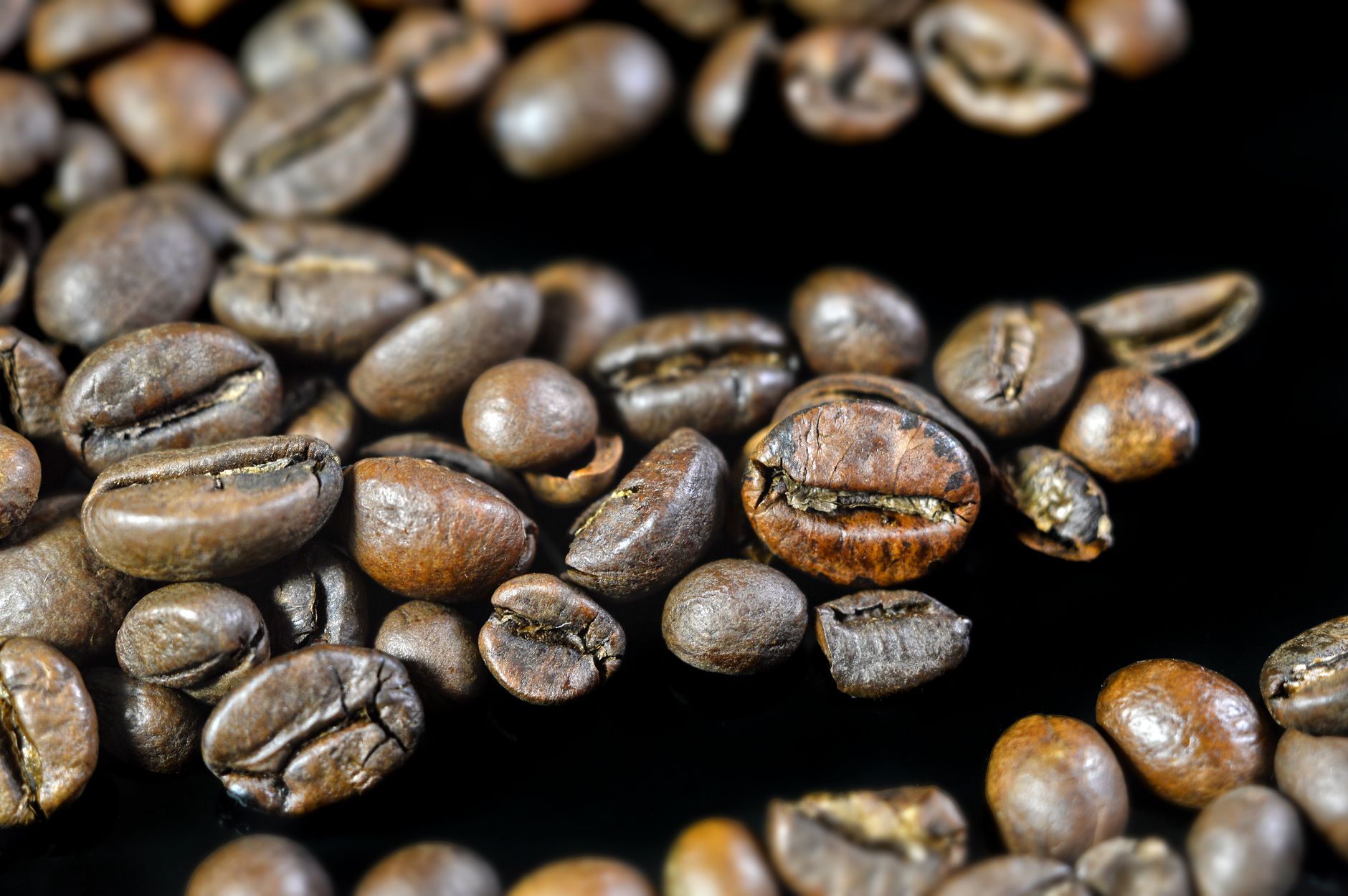
Robusta coffee is one of the two main species of coffee beans, alongside Arabica. Known for its distinct characteristics, Robusta is often favored for its bold flavor and caffeine content. In this article, we will explore the ingredients, taste profile, culinary uses, and other interesting aspects of Robusta coffee.
Understanding Robusta coffee is essential for anyone looking to deepen their appreciation of coffee or seeking alternative brewing methods. From its unique flavor to how it complements various culinary applications, let’s dive into the world of Robusta coffee.
What Is Robusta Coffee?
Robusta coffee, scientifically known as Coffea canephora, is a coffee species primarily grown in Africa and Indonesia, as well as in Brazil and Vietnam. This type of coffee is noted for its robust flavor, higher caffeine content, and resistance to pests compared to Arabica coffee.
Key Ingredients and Characteristics of Robusta Coffee
The primary ingredient in Robusta coffee is, of course, the Robusta coffee bean. These beans differ significantly from their Arabica counterparts in various aspects, including taste, aroma, and cultivation:
- Caffeine Content: Robusta coffee contains about 2.2% to 2.7% caffeine, almost double that of Arabica, which usually has around 1.2% to 1.5%. This higher caffeine content contributes to a more bitter taste.
- Flavor Profile: Robusta beans offer a more bitter and earthy flavor with nutty, woody, or chocolatey notes. The brewing may produce a thicker crema, which some coffee enthusiasts appreciate.
- Size and Shape: Robusta beans are generally smaller, rounder, and denser than Arabica beans. Their lower acidity gives them a smoother feel.
- Growth Conditions: Robusta coffee thrives at lower altitudes and is more resilient to disease and environmental stressors, making it easier to cultivate in various regions.
Taste Profile of Robusta Coffee
The taste of Robusta coffee is often described as strong, full-bodied, and bold. Here’s a more detailed look at its flavor components:
- Bitterness: Robusta coffee tends to have a pronounced bitterness due to its high caffeine content. This can appeal to those who prefer a strong kick in their cup.
- Nutty and Earthy Undertones: Many drinkers detect earthy and nutty flavors, enhancing the overall complexity of the drink.
- Less Fruity Notes: Unlike some Arabica coffees that may showcase bright fruity or floral notes, Robusta generally lacks these flavor profiles, which can result in a simpler cup.
Culinary Uses for Robusta Coffee
Robusta coffee’s unique flavor profile lends itself to a variety of culinary applications:
Beverages
In addition to the morning cup of coffee, Robusta can be used to create a plethora of beverages:
- Espresso: The robust flavor and higher crema production make Robusta an excellent addition to espresso blends, offering a fuller body and lasting flavor.
- Blends: Many coffee brands combine Robusta with Arabica to balance flavor, enhance caffeine strength, and improve crema in espresso drinks.
- Cold Brew: Although Arabica is often preferred for cold brew, Robusta can offer a unique depth and intensity that some consumers may enjoy.
- Instant Coffee: Robusta beans are frequently used in instant coffee products due to their cost-effectiveness and strong flavor profile.
Baking and Cooking
Robusta coffee can also find its way into the kitchen:
- Coffee Cakes: Adding brewed Robusta coffee to coffee cakes can enhance the flavor profile and give a delicious twist on traditional recipes.
- Marinades: Incorporating Robusta as part of a marinade for meats can add depth and complexity, particularly for beef or pork dishes.
- Chocolate Desserts: The earthy bitter notes of Robusta can complement the flavors in chocolates, making it a perfect ingredient in chocolate cakes, brownies, or sauces.
How to Brew Robusta Coffee
Brewing Robusta coffee can be similar to brewing regular coffee, but there are some nuances that can help enhance its flavors:
Methods to Brew Robusta Coffee
- French Press: A French press method is excellent for extracting the robust flavors of Robusta. Use coarsely ground beans, steep for about 4 minutes, and then press down.
- Espresso Machine: If using for espresso, make sure the grind is fine. The brewing process extracts strong flavors and velvety crema.
- Pour-Over: Use a steady pour to allow even extraction. Start with water just off the boil for optimal results.
Brewing Ratios
The following coffee-to-water ratios can serve as guidelines when brewing Robusta:
- French Press: A common ratio is 1:15, one part coffee to fifteen parts water.
- Espresso: For espresso, adjust the amount based on the machine’s specifications but generally around 18-20 grams of coffee for 1-2 ounces of espresso.
- Pour-Over: A 1:16 ratio works well for a balanced flavor.
Common Mistakes When Brewing Robusta Coffee
A few common mistakes can affect the quality of your Robusta coffee:
- Using Too Hot Water: Water that is too hot can extract overly bitter flavors, especially in Robusta. Aim for temperatures between 195°F and 205°F (90°C – 96°C).
- Wrong Grind Size: Using a grind that is too fine can lead to over-extraction, while a grind that is too coarse may fail to extract the full flavor.
- Improper Brewing Time: The steeping time is crucial. Too short, and the flavor will be weak; too long, and bitterness may dominate.
Storing Robusta Coffee
Proper storage of Robusta coffee is essential to maintain freshness and flavor:
- Airtight Containers: Store roasted beans in an airtight container kept in a cool, dark place. Avoid glass jars as light can adversely affect the beans.
- Freezing: For long-term storage, freezing whole beans can be effective. Just ensure they are well-sealed to prevent moisture absorption.
- Ground Coffee: Use ground Robusta coffee within two weeks for optimal freshness, as ground coffee loses flavor quickly when exposed to air.
Where to Buy Robusta Coffee
Robusta coffee can be found in various places:
- Specialty Coffee Roasters: These often offer high-quality Robusta options for those looking to explore its unique flavors.
- Online Retailers: Several online coffee retailers carry Robusta blends, making it readily accessible for home brewing.
- Local Grocery Stores: Many supermarkets now stock Robusta coffee, especially in the form of instant coffee or espresso blends.
Health Considerations when Drinking Robusta Coffee
Like any coffee, moderation is key when it comes to health considerations:
- Caffeine Sensitivity: Due to the higher caffeine content, it’s important to be aware of your tolerance levels.
- Stomach Sensitivity: Some individuals may find that the acidity level and bitterness can cause gastrointestinal discomfort; consider balancing Robusta with Arabica for a milder cup.
- Moderation: Generally, consuming coffee in moderation is recommended. Drinking around three to four cups of coffee per day can be part of a healthy diet for most adults.
Robusta Coffee and Sustainable Practices
As coffee consumption grows globally, so does the importance of sustainable and ethical farming practices:
- Supporting Local Farmers: Sourcing directly from local farmers can enhance the sustainability aspect and ensure fair trade practices.
- Organic Certifications: Look for Robusta coffee that is organically farmed to promote clean agriculture practices— no harmful pesticides or fertilizers.
- Environmental Impact: Sustainable farming can help reduce the environmental impact associated with coffee production by preserving biodiversity and enhancing soil health.
The Future of Robusta Coffee
The growing demand for coffee continues to shape the coffee landscape. Robusta coffee is gaining popularity as more consumers learn about its strengths:
- Popularity in Specialty Coffee: Increased interest in diverse coffee profiles has led to a revival of interest in single-origin Robusta coffees.
- Innovation: Coffee producers are experimenting with hybrid varieties and processing methods to enhance flavor profiles further.
- Climate Resilience: With its hardiness, Robusta coffee may play a pivotal role in future coffee production as climate change impacts Arabica farming.
Robusta coffee is a rich and diverse ingredient that deserves a place in your coffee routine. The bold flavor, versatility in culinary uses, and practical brewing methods make it a noteworthy option for any coffee lover. Whether you’re brewing an espresso, making a delicious coffee cake, or enjoying a strong cup of joe, giving Robusta a try can lead to exciting coffee experiences.
To explore more coffee-related content, check out our protein coffee recipe and our caramel ribbon crunch frappuccino recipe for delicious drinks that could complement your Robusta brewing adventures!