
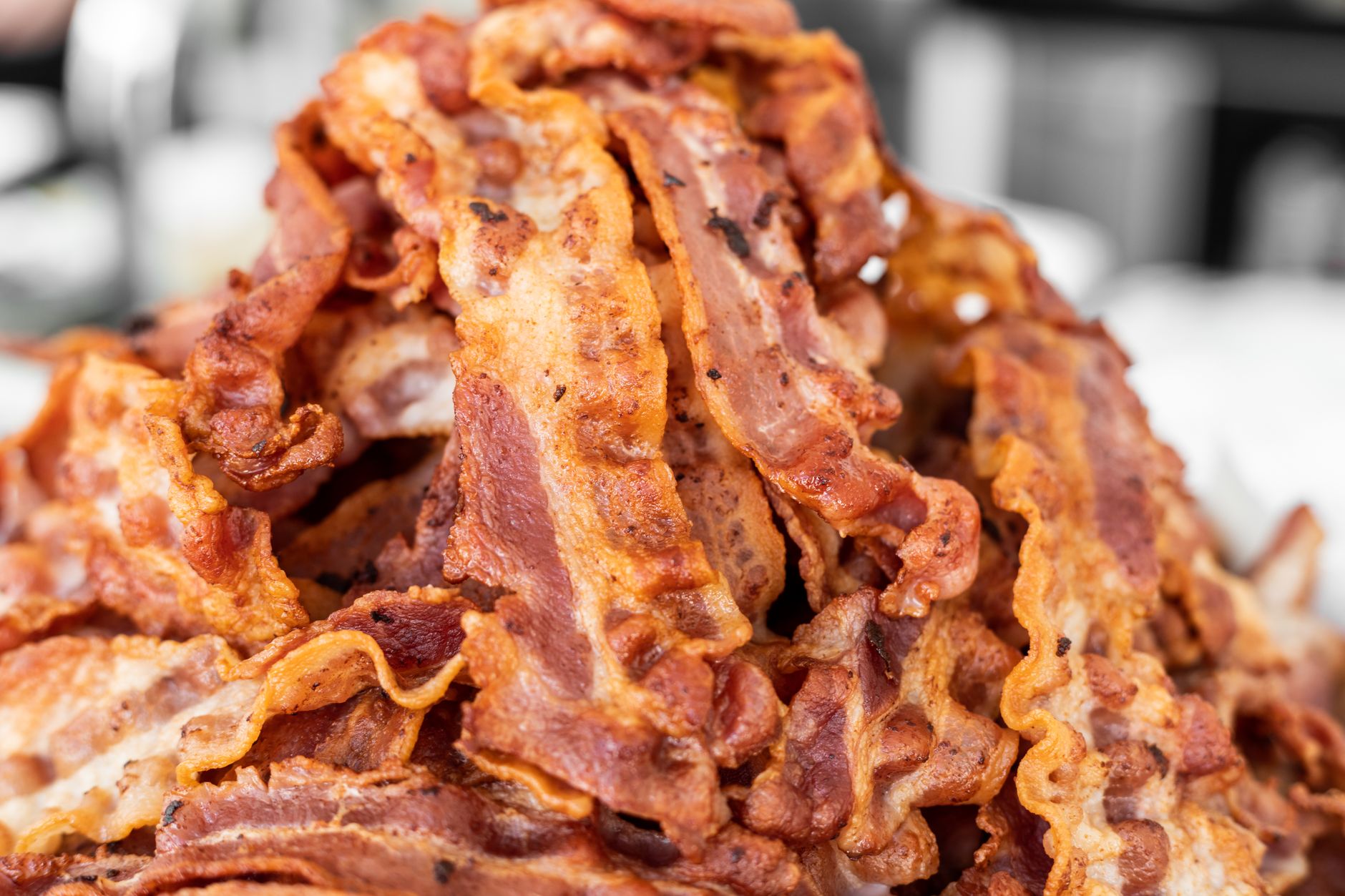
Bacon is one of those beloved ingredients that can elevate any meal with its smoky, savory flavor. Whether enjoyed in a breakfast sandwich, atop a burger, or as a side with eggs, cooked bacon is certainly a favorite for many. However, questions often arise about its safety and storage, especially regarding whether it can be left out overnight.
This article explores whether cooked bacon can safely sit out overnight and offers essential food safety tips, proper storage techniques, and the best practices to keep your bacon delicious and safe to eat.
Can Cooked Bacon Sit Out Overnight?
No, cooked bacon should not sit out overnight as it poses a risk of foodborne illness. Cooked bacon, like other meats, should be stored properly to prevent the growth of harmful bacteria. According to food safety guidelines, perishable foods should not be left unrefrigerated for more than two hours. If the ambient temperature exceeds 90°F, this window reduces to just one hour.
To safely enjoy cooked bacon, it’s important to refrigerate any leftovers within two hours of cooking. Proper storage will ensure that your bacon maintains its quality and is safe to eat at a later time.
Understanding Food Safety Guidelines
Food safety guidelines are established to help minimize the risk of foodborne illness. The USDA provides specific recommendations regarding the storage of cooked meats, including bacon:
- Cooked bacon should be refrigerated after cooking if not consumed immediately.
- It is safe to leave cooked bacon out for up to two hours in cooler environments (under 70°F).
- In hot conditions (above 90°F), the limit is reduced to one hour.
- Cooked bacon can be safely stored in the refrigerator for up to 4 to 5 days.
- Cooked bacon can also be frozen for longer storage, ideally within one month for the best quality.
Best Practices for Storing Cooked Bacon
To keep your cooked bacon safe and tasty, here are some best practices for storage:
1. Cool Quickly
After cooking, allow the bacon to cool for just a few minutes at room temperature. Then, transfer it to the refrigerator as soon as possible, ideally within two hours. Rapid cooling helps halt bacterial growth.
2. Use Airtight Containers
Store cooked bacon in airtight containers or resealable plastic bags. This minimizes exposure to air, which can cause the bacon to spoil faster or develop off-flavors.
3. Layer with Paper Towels
Placing paper towels between layers of cooked bacon can absorb excess grease, helping to maintain texture and flavor. This also prevents sticking.
4. Label and Date
If you plan to store cooked bacon for several days, label containers with the date. This way, you can easily track how long it’s been stored and ensure that it is used within the safe timeframe.
How to Reheat Cooked Bacon
When you’re ready to enjoy your leftover bacon, proper reheating ensures it remains delicious. Here are some effective reheating methods:
1. Microwave
- Place bacon slices on a microwave-safe plate lined with a paper towel.
- Cover the bacon with another paper towel to trap steam while reheating.
- Heat for 20 to 30 seconds, checking for desired warmth. Continue reheating in 10-second intervals if necessary.
2. Skillet
- Heat a skillet over medium heat.
- Add cooked bacon in a single layer, allowing it to warm for 2 to 3 minutes on each side, keeping an eye to prevent burning.
3. Oven
- Preheat your oven to 350°F (175°C).
- Place the bacon on a baking sheet lined with parchment paper.
- Heat in the oven for about 10 minutes, or until heated through.
Common Off-Flavor and Spoilage Signs
It’s essential to be aware of signs that cooked bacon may have spoiled. Before consuming leftover cooked bacon, check for:
- Change in color: If bacon appears dull or has greenish or grayish spots, it may be spoiled.
- Off smell: Any rancid or sour odor indicates spoilage.
- Texture changes: If it feels slimy or sticky, avoid eating it.
Can You Freeze Cooked Bacon?
Yes, cooked bacon can be frozen for longer storage if you don’t plan to consume it within a few days. Freezing preserves its flavor and texture but requires proper packaging.
Freezing Steps
- Once the bacon has cooled completely, lay it out in a single layer on a baking sheet and freeze until solid.
- Transfer the frozen bacon slices into a resealable plastic bag or airtight container, pressing out excess air to prevent freezer burn.
- Label the bag with the date and store in the freezer for up to one month for best quality.
Thawing Frozen Cooked Bacon
When you’re ready to enjoy your frozen bacon, thaw it safely to maintain quality.
- The best method is to transfer the bacon from the freezer to the refrigerator for 24 hours before use.
- You can also thaw the bacon quickly using the microwave, but be careful not to cook it further in the process. Microwave on the defrost setting for best results.
- Once thawed, reheat using any of the methods described earlier.
Delicious Ways to Use Leftover Cooked Bacon
Leftover cooked bacon is an excellent addition to many dishes. Here are a few ideas to inspire you:
- **Salads**: Crumble bacon over salads for added flavor and crunch.
- **Soups**: Add chopped bacon to soups for depth and richness.
- **Omelets or Scrambled Eggs**: Incorporate bacon into breakfast dishes for a hearty twist.
- **Bacon-Wrapped Appetizers**: Use cooked bacon as a filling or topping for bites like jalapeño poppers.
- **Baked Goods**: Make savory scones or muffins with bits of bacon mixed into the batter.
Popular Bacon Recipes
Are you ready to get creative with your bacon? Here are a few popular bacon recipes that highlight this delightful ingredient:
- **Bacon-Wrapped Asparagus**: A delightful appetizer combining the crunch of asparagus with the savory flavors of crispy bacon.
- **Bacon Carbonara**: A classic Italian pasta dish featuring the smoky texture of bacon, mixed with a creamy sauce.
- **BLT Sandwich**: The classic bacon, lettuce, and tomato sandwich is a staple for a reason.
- **Bacon Mac and Cheese**: This comfort food takes on a new level with the addition of crispy bacon pieces.
Final Thoughts on Bacon Storage and Safety
Cooked bacon is a delicious ingredient that can enhance a variety of dishes; however, it requires careful handling to ensure food safety. Remember to always refrigerate or freeze it if you’re not consuming it immediately. Enjoy bacon in a safe way by following the provided storage and reheating tips, allowing you to savor its tantalizing flavor without the risk of foodborne illness.
For more food safety tips, check out how long cooked ground beef is good in the fridge or learn about the safe handling of chicken. Explore these related topics to improve your kitchen wisdom and enjoy safe cooking practices.