
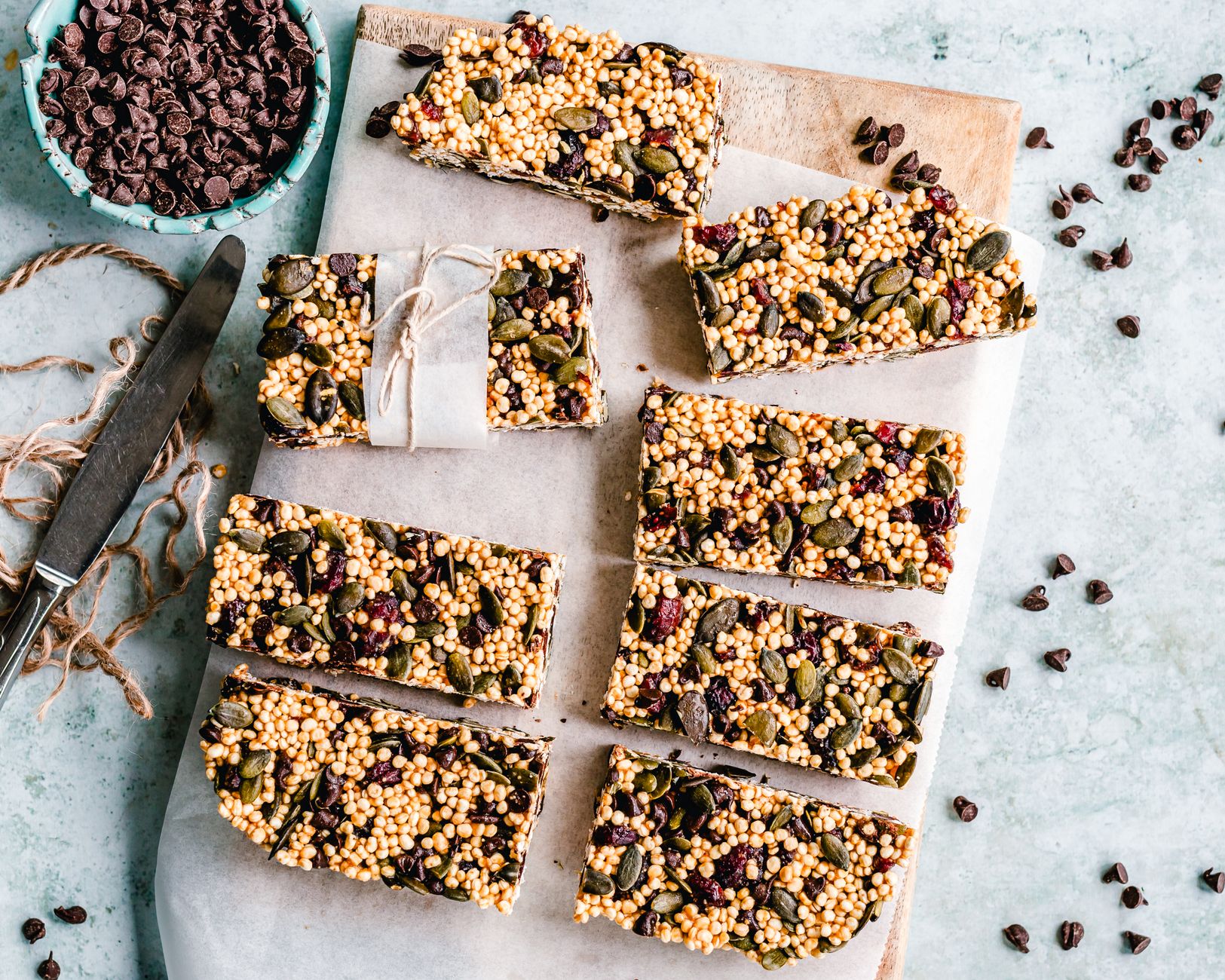
Chocolate is a beloved treat enjoyed worldwide in many forms, from bars to desserts and beverages. For those with dietary restrictions, particularly gluten intolerance or celiac disease, understanding whether chocolate contains gluten is essential for safe consumption.
This article explores the relationship between chocolate and gluten, examining the types of chocolate available, potential sources of gluten, and how to ensure that your chocolate treats are gluten-free.
Does Chocolate Have Gluten?
Generally, pure chocolate does not contain gluten. However, chocolate products may include other ingredients or be processed in facilities that handle gluten, making it essential to check labels before consumption.
What Is Gluten?
Gluten is a protein found in wheat, barley, and rye. It contributes to the elasticity of dough, giving baked goods their chewy texture. For those with gluten sensitivity or celiac disease, consuming gluten can lead to serious health issues. Understanding gluten sources is crucial for maintaining a gluten-free diet.
Types of Chocolate
Chocolate comes in various forms, each with distinct ingredients and processing methods. Here are the main types of chocolate available on the market:
- Dark Chocolate: Made from cocoa solids, cocoa butter, and sugar, dark chocolate is typically gluten-free but check the labels for additives.
- Milk Chocolate: Contains milk solids along with cocoa components and sugar. Similar to dark chocolate, it can be gluten-free if no gluten-containing ingredients are added.
- White Chocolate: Made from cocoa butter, milk solids, and sugar without cocoa solids. Pure white chocolate is gluten-free as long as other gluten ingredients aren’t included.
- Ruby Chocolate: A newer type, ruby chocolate is made from specially processed red cocoa beans and has added sugar and milk solids. Again, be cautious with added ingredients.
Potential Sources of Gluten in Chocolate
While pure chocolate is gluten-free, certain additives and processing methods can introduce gluten. Here are a few sources where gluten may be present:
- Additives: Some chocolate products may contain malt, which is derived from barley. This is often used in flavor enhancers and can introduce gluten.
- Fillers and Flavorings: Ingredients such as cookie crumbs, pretzels, or flavored syrups can contain gluten. Always read the ingredient label for these add-ins.
- Cross-Contamination: Chocolate made in facilities that process gluten-containing products may be contaminated during manufacturing. Checking for gluten-free certifications is advisable.
How to Choose Gluten-Free Chocolate
Selecting gluten-free chocolate can be simple if you know what to look for. Here are some tips to help you navigate the chocolate aisle:
- Read Labels: Always read ingredient labels carefully. Look for any mention of gluten-containing ingredients, such as malt or wheat.
- Look for Certifications: Seek out products that are labeled gluten-free. This certification means that the product has been tested and meets gluten-free standards.
- Choose Pure Chocolate: Opt for bars containing only cocoa solids, cocoa butter, and sugar without added ingredients when possible.
- Research Brands: Familiarize yourself with chocolate brands that specifically cater to gluten-free diets. Many brands prioritize gluten-free products.
Popular Brands Offering Gluten-Free Chocolate
Several brands are known for their gluten-free chocolate offerings. Here’s a short list of some options:
- Enjoy Life Foods: They provide a wide range of allergen-free chocolates.
- Alter Eco: Their products are labeled gluten-free and focus on organic ingredients.
- Green & Black’s: Known for high-quality organic chocolate, their dark varieties are often gluten-free.
- Purity Chocolate: A brand dedicated entirely to gluten-free chocolate.
Recipes Using Gluten-Free Chocolate
If you have determined that your chocolate choice is gluten-free, you might be interested in some delicious ways to incorporate it into recipes. Here are a few easy ideas:
Chocolate Cake
This rich and moist chocolate cake is easy to make gluten-free by utilizing almond flour or gluten-free all-purpose flour.
Servings: 8
Preparation Time: 20 minutes
Cooking Time: 30 minutes
Total Time: 50 minutes
Ingredients:
- 1 ½ cups gluten-free flour blend
- 1 cup granulated sugar
- ½ cup unsweetened cocoa powder (ensure gluten-free)
- 1 tsp baking powder
- ½ tsp baking soda
- ½ tsp salt
- ½ cup vegetable oil
- 2 large eggs
- 1 tsp vanilla extract
- 1 cup water
Method:
- Preheat your oven to 350°F (175°C). Grease and flour (with gluten-free flour) an 8-inch round cake pan.
- In a large bowl, combine the gluten-free flour blend, sugar, cocoa powder, baking powder, baking soda, and salt.
- Add the oil, eggs, and vanilla extract. Mix well to combine.
- Gradually add the water, stirring until smooth.
- Pour the batter into the prepared pan and bake for 30 minutes.
- Check doneness with a toothpick. Allow cooling before removing from the pan.
Serve with gluten-free frosting or a glaze of your choice!
Chocolate Chip Cookies
These classic cookies can be easily adapted to be gluten-free with a few simple changes.
Servings: 12
Preparation Time: 15 minutes
Cooking Time: 12 minutes
Total Time: 27 minutes
Ingredients:
- 1 cup gluten-free flour blend
- ¼ tsp baking soda
- ½ tsp salt
- ½ cup unsalted butter, softened
- ½ cup brown sugar
- ¼ cup granulated sugar
- 1 tsp vanilla extract
- 1 large egg
- 1 cup semi-sweet chocolate chips (ensure gluten-free)
Method:
- Preheat your oven to 350°F (175°C) and line a baking sheet with parchment paper.
- In a bowl, whisk together the gluten-free flour, baking soda, and salt.
- In another mixing bowl, cream the softened butter with brown sugar and granulated sugar until fluffy.
- Add the vanilla extract and egg, mixing until smooth.
- Gradually add the flour mixture until combined. Stir in the chocolate chips.
- Scoop tablespoon-sized amounts of dough onto the baking sheet, spacing them apart.
- Bake for about 12 minutes or until the edges turn golden. Allow to cool on a wire rack.
Common Mistakes to Avoid When Choosing Chocolate
Selecting the wrong chocolate can undermine your gluten-free intentions. Here are a few common mistakes to avoid:
- Ignoring Labels: Always check labels, even for familiar brands, as formulations can change.
- Assuming All Chocolates Are Gluten-Free: Not all chocolate is created equal; be diligent in your choices.
- Overlooking Manufacturing Practices: Chocolate made in facilities with gluten may be cross-contaminated. Opt for brands that emphasize gluten-free production.
Storing Chocolate
Proper storage of chocolate is important to maintain its flavor and texture. Here are tips for optimal chocolate storage:
- Keep Away from Heat and Moisture: Store chocolate in a cool, dry place. Ideal temperatures range from 60°F to 70°F (15°C to 21°C).
- Avoid Strong Odors: Chocolate can absorb odors from its surroundings, so keep it sealed or wrapped in airtight containers.
- Refrigeration: If necessary, chocolate can be refrigerated, but allow it to come to room temperature before unwrapping to prevent condensation.
Conclusion
Understanding whether chocolate contains gluten involves checking labels and being mindful of potential sources of gluten in various chocolate products. Pure chocolate typically is gluten-free, but always source responsibly to ensure your treats align with gluten-free dietary needs.
Explore related recipes, cooking tips, or food guides such as whether chocolate is vegan at Is Chocolate Vegan? or learn about granulated garlic versus garlic powder at Is Granulated Garlic The Same As Garlic Powder?.