
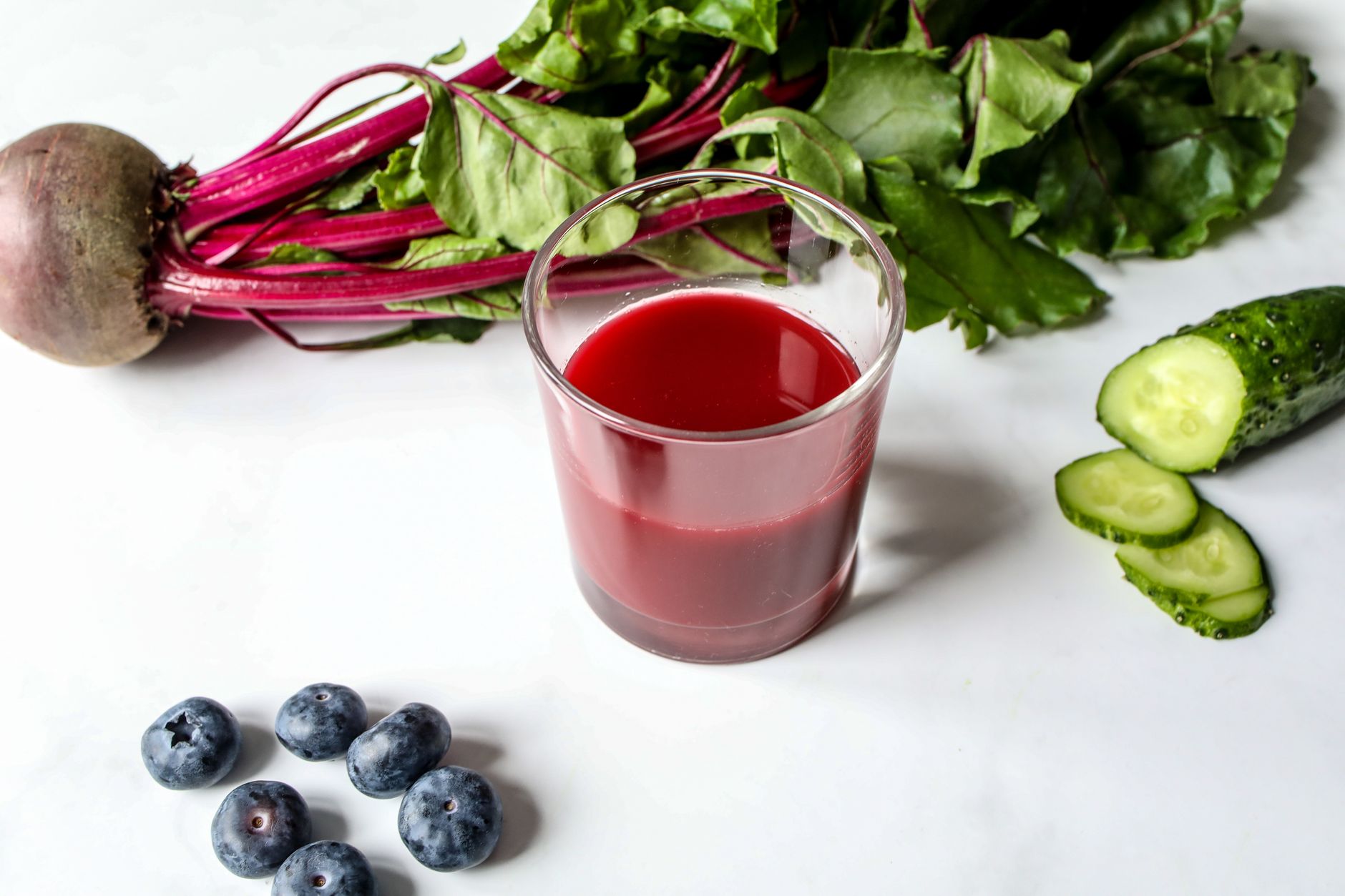
Beet juice has gained popularity as a health elixir, lauded for its vibrant color and nutritional benefits. However, a common concern is whether consuming beet juice can lead to kidney stones. Understanding its impact on health, especially in relation to kidney stones, is essential for those considering adding beet juice to their diet.
This article explores the relationship between beet juice and kidney stones, including potential risks, nutritional profile, and practical advice on how to enjoy beet juice safely.
Does Beet Juice Cause Kidney Stones?
Beet juice, while nutritious and beneficial in many ways, can contribute to the formation of kidney stones in susceptible individuals. This is primarily due to its high oxalate content, which can lead to calcium oxalate stones if consumed excessively. However, moderation and hydration play crucial roles in preventing kidney stone formation.
Understanding Kidney Stones
Kidney stones are hard deposits made of minerals and salts that form inside the kidneys. They can develop when urine becomes concentrated, allowing minerals to crystallize and stick together. The most common type of kidney stones are calcium oxalate stones, which can form when high levels of oxalate are present in the urine.
There are several types of kidney stones, including:
- Calcium stones (calcium oxalate or calcium phosphate)
- Struvite stones
- Uric acid stones
- Cystine stones
What Are Oxalates?
Oxalates are naturally occurring compounds found in many foods. While not harmful for most people, oxalates can contribute to kidney stone formation in individuals who are prone to stones. Foods high in oxalates include spinach, rhubarb, nuts, chocolate, and beets.
How Do Oxalates Contribute to Kidney Stones?
When oxalates are ingested, they can bind with calcium in the urine, forming calcium oxalate stones. For individuals predisposed to kidney stones, reducing oxalate intake is often recommended. Since beet juice is high in oxalates, it’s essential to consume it mindfully.
The Nutritional Profile of Beet Juice
Beet juice is packed with nutrients and health benefits. Here’s a snapshot of what beet juice offers:
- Rich in vitamins such as Vitamin C and several B vitamins
- Contains important minerals like potassium and magnesium
- High in antioxidants, particularly betalains, which have anti-inflammatory properties
- A natural source of nitrates, which can help improve blood flow and lower blood pressure
Health Benefits of Beet Juice
In addition to its vibrant color and unique flavor, beet juice offers several health benefits:
- Improved Athletic Performance: The nitrates in beet juice may enhance oxygen delivery and increase exercise performance.
- Lower Blood Pressure: Regular consumption may lead to reduced blood pressure levels.
- Anti-inflammatory Effects: Antioxidants in beet juice can help reduce inflammation in the body.
- Liver Health: The compounds in beets may support liver function and detoxification.
Risks of High Oxalate Foods
While beet juice can be part of a healthy diet, excessive consumption can pose risks for individuals susceptible to kidney stones. It’s essential to balance intake with other foods and maintain hydration. Some risks associated with high oxalate consumption include:
- Increased chance of kidney stone formation
- Digestive issues, especially in large amounts
- Nutrient absorption interference
How to Incorporate Beet Juice Safely
If you enjoy beet juice but want to mitigate potential risks, consider the following strategies:
Moderation is Key
Limit your intake of beet juice to one serving (approximately 4-8 ounces) a day, especially if you have a history of kidney stones.
Balance Your Diet
Incorporate a variety of other fruits and vegetables that are lower in oxalates. This helps reduce overall oxalate intake. Some lower-oxalate options include:
- Bananas
- Berries
- Cucumbers
- Cauliflower
Stay Hydrated
Ensure you drink plenty of fluids throughout the day. Adequate hydration can help dilute urine, reducing the concentration of oxalates and lowering the risk of stone formation.
Signs You Might Be at Risk
Those who are at increased risk of developing kidney stones should pay attention to their diet, hydration levels, and specific symptoms. Recognizing the signs of potential kidney stones can aid in timely intervention:
- Sharp pain in the back or side
- Pain during urination
- Blood in urine
- Frequent urination
- Nausea and vomiting
What to Do if You Have Kidney Stones
If you have a history of kidney stones or are experiencing symptoms, consult a healthcare professional for advice tailored to your situation. They may recommend:
- Dietary modifications to reduce oxalate levels
- Increased fluid intake
- Medication to manage pain or facilitate stone passage
Alternatives to Beet Juice
If you’re looking for nutritious alternatives that are lower in oxalates, consider the following juices and drinks:
- Pomegranate juice
- Carrot juice
- Cucumber juice
- Watermelon juice
Practical Tips for Enjoying Beet Juice
When ready to incorporate beet juice into your diet safely, follow these practical tips:
Making Beet Juice at Home
Creating fresh beet juice at home allows for control over the ingredients and serving sizes:
- Wash and peel 2-3 medium-sized beets.
- Cut them into small pieces.
- Add the beet pieces to a juicer or blender. For a blender, include a small amount of water.
- Blend until smooth, then strain through a fine mesh sieve or cheesecloth if needed. You can dilute with water or mix with other juices.
Combining Flavors
To enhance the flavor of beet juice and reduce its earthiness, blend it with fruits or vegetables like:
- Apples
- Oranges
- Carrot
- Ginger
Storage and Preservation
Fresh beet juice is best consumed immediately, but it can be stored in an airtight container in the refrigerator for up to 48 hours. Ensure to shake well before drinking, as separation may occur.
Consulting Healthcare Professionals
Before making significant dietary changes, especially for those with preexisting health conditions, consult a healthcare professional or a registered dietitian. They can provide personalized advice based on individual health needs.
Conclusion
Incorporating beet juice into your diet can be beneficial, but those prone to kidney stones should be cautious due to its oxalate content. By consuming beet juice in moderation, staying hydrated, and maintaining a balanced diet, you can enjoy its health benefits while minimizing risks.
For delicious recipes that enhance your dietary variety, explore our Harvard Beets Recipe or learn about the benefits of pomegranate juice for your overall health.