
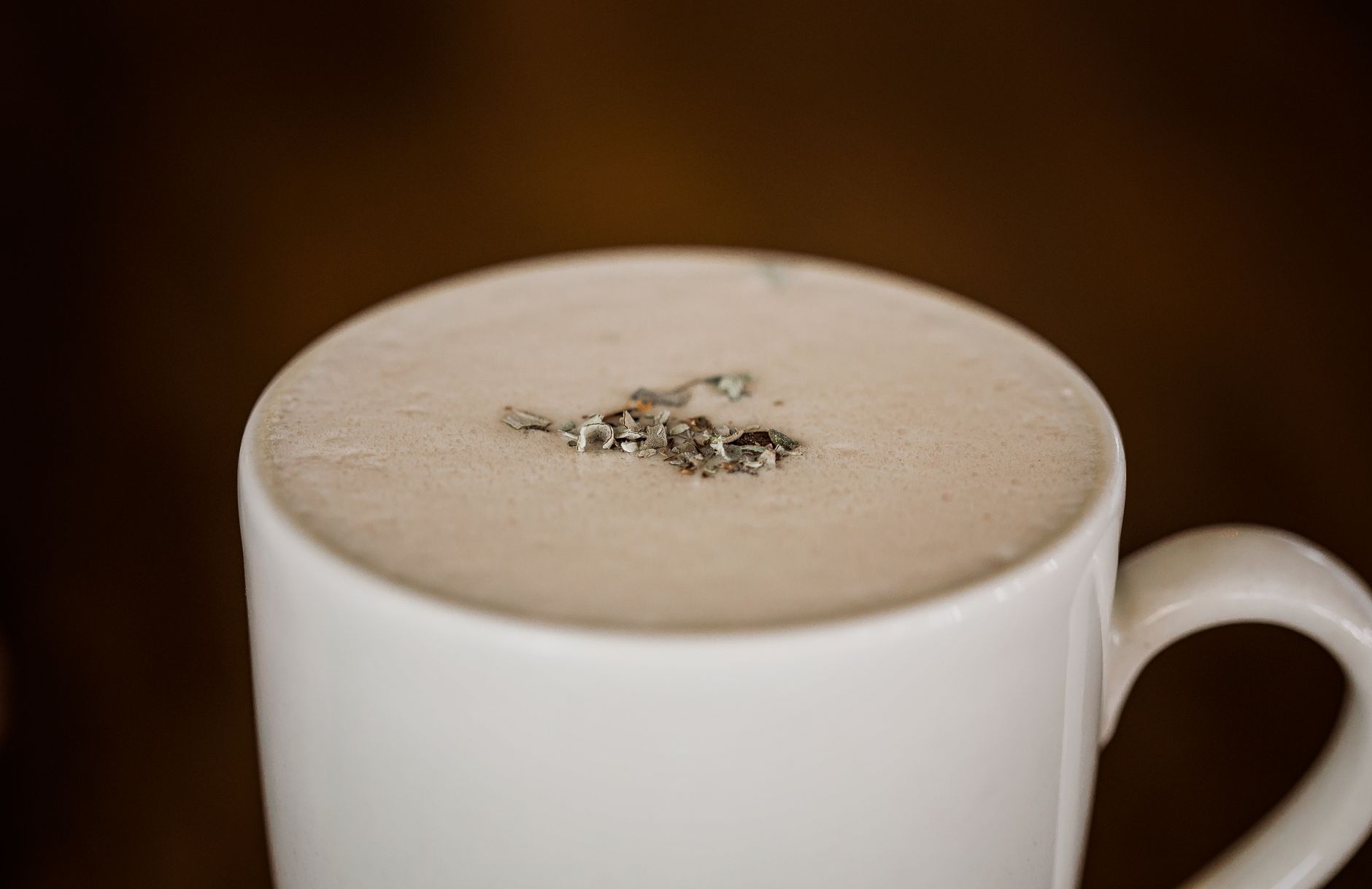
Chai lattes have gained widespread popularity for their rich flavor and comforting properties. But as more people turn to them for a delicious drink, questions arise about their caffeine content. If you’ve been wondering whether a chai latte contains caffeine, you’re not alone. Understanding the caffeine levels in your favorite beverage can help guide your choices throughout the day.
This article delves into the caffeine content, serving sizes, and the components that make up a chai latte. By the end, you’ll have the information you need to enjoy this aromatic drink while considering your caffeine intake.
Does a Chai Latte Have Caffeine?
Yes, a chai latte does have caffeine. The caffeine predominantly comes from the black tea used as the base. While the amount can vary based on the preparation method and the specific tea used, a typical chai latte contains between 30 to 60 mg of caffeine per serving, depending on its size and strength.
Understanding Chai: An Overview
Chai is a traditional Indian tea beverage that blends spices, milk, and sweetener with a base of black tea. The term “chai” itself means “tea” in many languages, but in Western cultures, it typically refers to masala chai, which includes various spices and flavors. Common spices in chai include:
- Cardamom
- Cinnamon
- Ginger
- Cloves
- Black pepper
The tea leaves not only contribute flavor but also provide caffeine, which is a key factor for many people when choosing a beverage.
Components of a Chai Latte
A chai latte combines several components, each playing an essential role in the overall flavor and structure of the drink. These include:
- Black Tea: The base of a chai latte, providing caffeine and tannins.
- Spices: Varieties of spices are used for aroma and warmth.
- Milk: It adds creaminess and balances the tea’s bitterness.
- Sweetener: Typically sugar or honey, it enhances flavor.
The Role of Black Tea
The type of black tea used significantly influences the caffeine level in a chai latte. Common choices include Assam, Darjeeling, and Ceylon, each offering unique flavors and caffeine concentrations. Generally, black tea contains about 40-70 mg of caffeine per 8 oz cup. Therefore, the caffeine content of your chai latte will scale with the amount of tea used and the serving size.
Caffeine Content in Chai Lattes: A Breakdown
The actual caffeine content in a chai latte can vary based on several factors:
1. Type of Tea
The choice of black tea impacts the amount of caffeine. For instance, Assam tea might yield a stronger caffeinated beverage than Darjeeling. The specific tea leaves, like using matcha green tea instead of black, can also affect the total caffeine levels.
2. Strength of Brew
Stronger brews will naturally increase caffeine levels. Keeping the tea steeped longer or using a higher tea-to-water ratio results in a more intensely caffeinated chai latte.
3. Serving Size
Chai lattes come in various serving sizes, typically ranging from 8 oz to 16 oz or even larger at coffee shops. A larger serving size naturally correlates to higher caffeine content due to increased amounts of tea.
4. Homemade vs. Store-bought
Pre-packaged chai latte mixes may contain added ingredients that affect the overall caffeine content. Always check the packaging of store-bought mixes for precise information on caffeine levels.
Comparing Chai Latte Caffeine Levels to Other Drinks
To put the caffeine content of a chai latte into perspective, it can help to compare it with other popular beverages:
| Drink | Caffeine Content (per 8 oz) |
|---|---|
| Chai Latte | 30-60 mg |
| Black Coffee | 95 mg |
| Green Tea | 20-45 mg |
| Espresso | 63 mg |
| Soda (cola) | 25-30 mg |
This comparison demonstrates that while chai lattes do contain caffeine, they generally have less caffeine than a standard cup of black coffee or espresso.
What About Decaffeinated Chai Lattes?
If you’re looking for a milder option without the buzz, consider a decaffeinated chai latte. When using decaffeinated black tea, the caffeine content is significantly reduced, usually to about 2-4 mg per cup, making it a good choice for those sensitive to caffeine.
Making a Chai Latte at Home
Crafting your own chai latte can be rewarding and allows you to control the caffeine content. Here’s a simple recipe.
Recipe: Homemade Chai Latte
Yield:
1 serving
Preparation Time:
5 minutes
Cook Time:
10 minutes
Ingredients:
- 1 cup water
- 1 teaspoon loose black tea or 1 teabag
- 1/2 cup milk (any type: dairy, almond, soy)
- 1 teaspoon honey or sugar (to taste)
- 1/2 teaspoon ground spices (cinnamon, ginger, cardamom, or a chai spice blend)
Essential Equipment:
- Small saucepan
- Strainer (if using loose tea)
- Measuring cup and spoons
Method:
- In a small saucepan, bring the water to a boil.
- Add the black tea and ground spices to boiling water and reduce the heat to a simmer. Allow it to steep for 5-7 minutes.
- Add milk and sweetener, stirring to incorporate everything. Heat until just below boiling.
- Strain the tea if using loose leaves and pour the chai latte into your favorite mug.
- Garnish with additional spices, if desired, and enjoy!
Troubleshooting Common Mistakes
Here are some common pitfalls when making chai lattes and how to avoid them:
- Too strong or bitter: Reduce the steeping time or use less tea.
- Too sweet: Adjust the amount of sweetener and taste as you go.
- Milk curdling: Ensure the milk is heated gently and not boiled.
Chai Latte Variations
The beauty of chai lattes is their versatility. Here are a few variations you might try:
- Iced Chai Latte: Prepare as usual but chill and serve over ice.
- Spicy Chai Latte: Add more spices like cayenne or nutmeg for an extra kick.
- Matcha Chai Latte: Mix traditional spices with matcha for a green tea twist.
Storage and Reheating
If you have leftovers from homemade chai lattes, store them in an airtight container in the fridge for up to 2 days. When reheating, do so gently on the stove or in the microwave with a splash of fresh milk to restore creaminess.
Final Thoughts on Caffeine and Enjoyment
Chai lattes can be a delightful addition to your beverage options, providing not only warmth and comfort but also a moderate amount of caffeine. By understanding how caffeine affects you and adjusting your serving size, you can enjoy this popular drink without overdoing it.
Whether you choose to make your own or order one from a café, knowing the content of your chai latte can help you better manage your daily caffeine intake. Embrace the flavors, experiment with variations, and discover your perfect chai experience!
For more information about the caffeine content in various tea types, explore how much caffeine is in chai tea. If you’re in the mood for a different drink, consider trying a Caramel Ribbon Crunch Frappuccino recipe for a sweet twist on your beverage routine.