
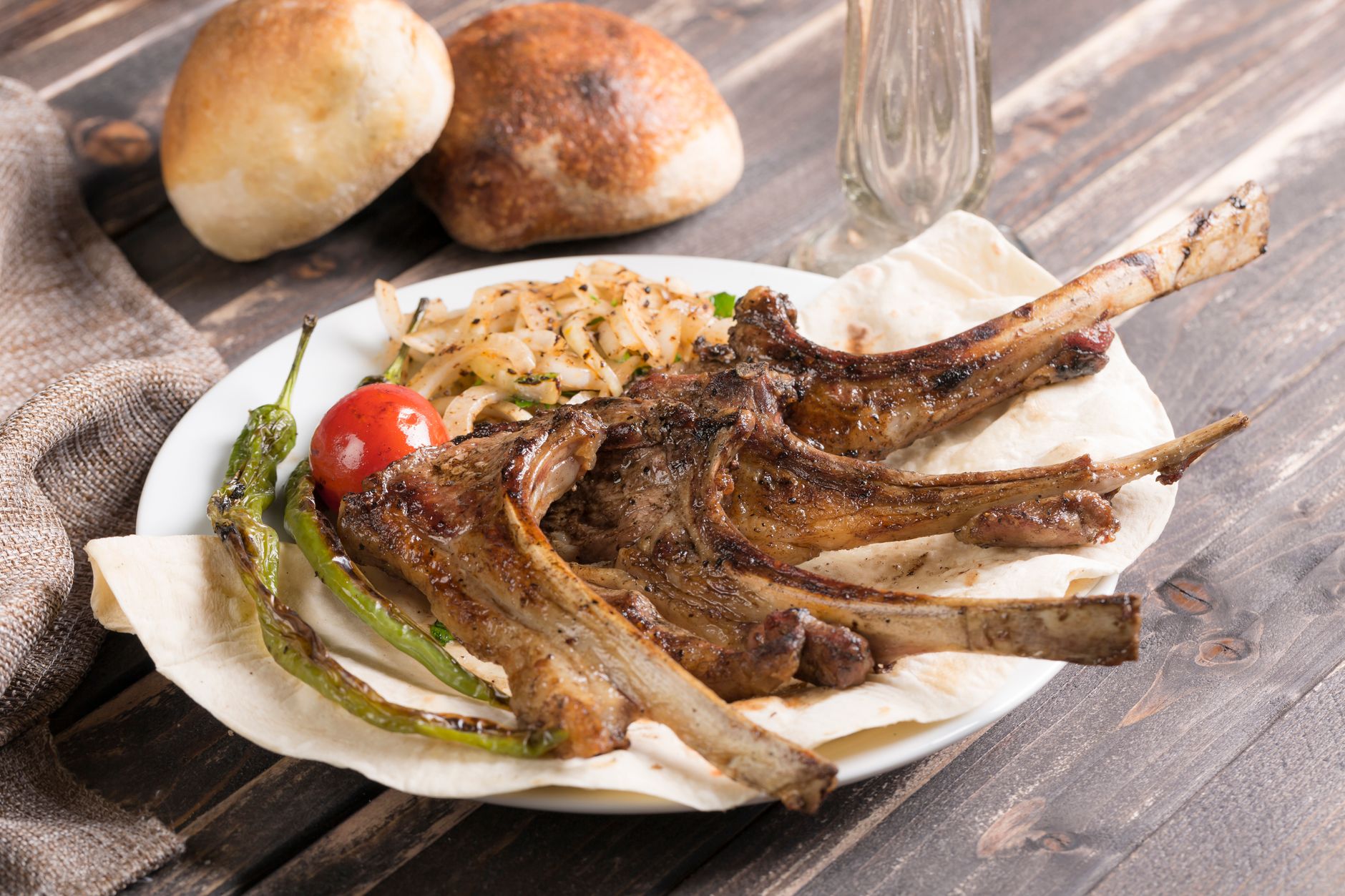
Pregnancy brings a whirlwind of questions, especially regarding diet. One common query is whether lamb can be safely enjoyed during this time. While it can be a nutritious option, there are important dietary considerations to keep in mind when consuming lamb while pregnant.
This guide will explore the safety of eating lamb during pregnancy, its nutritional benefits, cooking methods, handling tips, and some delicious recipe ideas. By the end, you’ll have a comprehensive understanding of how to incorporate lamb into your prenatal diet effectively.
Can I Eat Lamb While Pregnant?
Yes, lamb can be eaten during pregnancy, but it’s important to ensure it is cooked thoroughly to avoid any health risks. Pregnant individuals should choose high-quality cuts and follow safe cooking practices to enjoy its nutritional benefits without compromising safety.
Understanding the Nutritional Benefits of Lamb
Lamb is a rich source of essential nutrients that can be beneficial during pregnancy. It offers several important health benefits:
- High in Protein: Protein is vital for the growth and development of the baby.
- Rich in Iron: Lamb is a great source of heme iron, which helps prevent anemia and supports oxygen transport in the body.
- Supply of B Vitamins: Lamb contains B vitamins, particularly B12, which is crucial for the developing nervous system.
- Healthy Fats: It also contains omega-3 and omega-6 fatty acids, which are important for brain development.
Safety Considerations When Eating Lamb during Pregnancy
While lamb is nutritious, pregnant individuals must consider several safety guidelines:
- Cooking Temperatures: Ensure lamb is cooked to an internal temperature of at least 145°F (63°C) for whole cuts and 160°F (71°C) for ground lamb to kill harmful bacteria.
- Quality Sources: Purchase lamb from reputable sources. Look for animals raised without hormones or unnecessary antibiotics to ensure the meat’s safety and quality.
- Storage and Handling: Store lamb in the refrigerator for a maximum of 3-5 days or freeze it if not used within that time. Always thaw in the refrigerator, never at room temperature.
Common Types of Lamb to Consider
When choosing lamb cuts, understanding the different types of lamb can enhance your cooking experience:
- Lamb Chop: Tender and flavorful, ideal for grilling or pan-searing.
- Lamb Shoulder: Suitable for slow-cooking or braising; rich in flavor.
- Lamb Leg: Perfect for roasting; can be served medium-well as long as it reaches the correct internal temperature.
- Ground Lamb: Versatile and great for making burgers or meatballs. Ensure it is fully cooked.
Cooking Techniques for Preparing Lamb
There are several techniques you can use to cook lamb safely and deliciously:
Grilling
Grilling is a popular method for cooking lamb chops or steaks. Here’s how to do it safely:
- Preheat the grill to medium-high heat.
- Season lamb with herbs and spices as desired.
- Grill each side for about 4-6 minutes for chops, turning once until internal temperature reaches 145°F (63°C).
- Let it rest for 5 minutes before serving to retain its juices.
Roasting
Roasting lamb leg can create a delicious meal:
- Preheat the oven to 375°F (190°C).
- Season the lamb leg with garlic, rosemary, salt, and pepper.
- Place it in a roasting pan and cook for approximately 1.5 to 2 hours or until it reaches an internal temperature of 145°F (63°C).
- Allow it to rest for at least 15 minutes before carving.
Slow Cooking
This method is fantastic for lamb shoulder:
- Season the lamb shoulder thoroughly before placing it in the slow cooker.
- Add vegetables and broth or wine for moisture.
- Cook on low for 6-8 hours or until the meat is tender and falls apart easily.
Handling and Storage Tips
Proper handling and storage are crucial in preventing foodborne illness during pregnancy:
- Thawing: Always thaw frozen lamb in the refrigerator, not on the countertop.
- Cross-Contamination: Use separate cutting boards for raw lamb and vegetables.
- Storage: Seal leftovers in airtight containers and store in the fridge, consuming them within three days, or freeze for longer storage.
Delicious Lamb Recipe Ideas for Pregnant Individuals
Incorporating lamb into your diet during pregnancy can be both fun and tasty. Here are a couple of recipes that you can enjoy while ensuring your meal is safe and nutritious.
Grilled Lamb Chops with Mint Pesto
This dish is fresh and vibrant, perfect for a summer meal.
Servings: 4
Preparation Time: 15 minutes
Cooking Time: 10 minutes
Total Time: 25 minutes
Ingredients
- 8 lamb chops
- 2 tablespoons olive oil
- Salt and pepper to taste
- 1 cup fresh mint leaves
- 1/4 cup pine nuts, toasted
- 1/2 cup Parmesan cheese, grated
- 1/2 cup olive oil (for pesto)
- Juice of 1 lemon
Instructions
- In a small bowl, combine olive oil, salt, and pepper. Brush over lamb chops.
- Grill lamb chops for about 4-5 minutes per side until they reach the desired internal temperature.
- While the chops are grilling, prepare the mint pesto. In a food processor, combine mint leaves, pine nuts, Parmesan cheese, and lemon juice. Pulse until combined.
- Slowly drizzle in 1/2 cup olive oil while processing until smooth.
- Serve grilled lamb chops topped with mint pesto.
Slow-Cooked Lamb Shoulder Stew
This comforting dish is hearty and filling.
Servings: 6
Preparation Time: 20 minutes
Cooking Time: 8 hours
Total Time: 8 hours 20 minutes
Ingredients
- 3 pounds lamb shoulder, trimmed and cut into chunks
- 4 carrots, diced
- 3 potatoes, diced
- 1 onion, chopped
- 4 cloves garlic, minced
- 4 cups beef broth
- 2 tablespoons tomato paste
- 1 tablespoon dried thyme
- Salt and pepper to taste
Instructions
- In a large skillet, brown the lamb chunks on all sides over medium heat.
- Transfer the browned lamb to the slow cooker. Add carrots, potatoes, onion, and garlic.
- In a separate bowl, mix beef broth, tomato paste, thyme, salt, and pepper. Pour over the lamb and vegetables.
- Cover and cook on low for 8 hours, until the lamb is tender and flavors meld.
Common Mistakes to Avoid
When preparing lamb while pregnant, be mindful of the following common pitfalls:
- Undercooking: Always check the internal temperature with a meat thermometer to avoid any health risks associated with undercooked meat.
- Ignoring Source Quality: Low-quality lamb might carry pathogens. Always buy from reputable suppliers.
- Cross-contamination: Use separate utensils and cutting boards for raw meat to avoid contaminating ready-to-eat foods.
Conclusion and Key Takeaways
Lamb can be a nutritious and delicious addition to your diet during pregnancy, provided it is cooked safely and handled with care. Focus on quality ingredients and adequate cooking methods to fully enjoy its benefits. Consider trying out the lamb recipes mentioned for a safe and enjoyable meal.
For more delicious lamb recipes, check out our lamb ribs recipe and explore a versatile ground lamb recipe to include lamb into your meal planning effortlessly.