
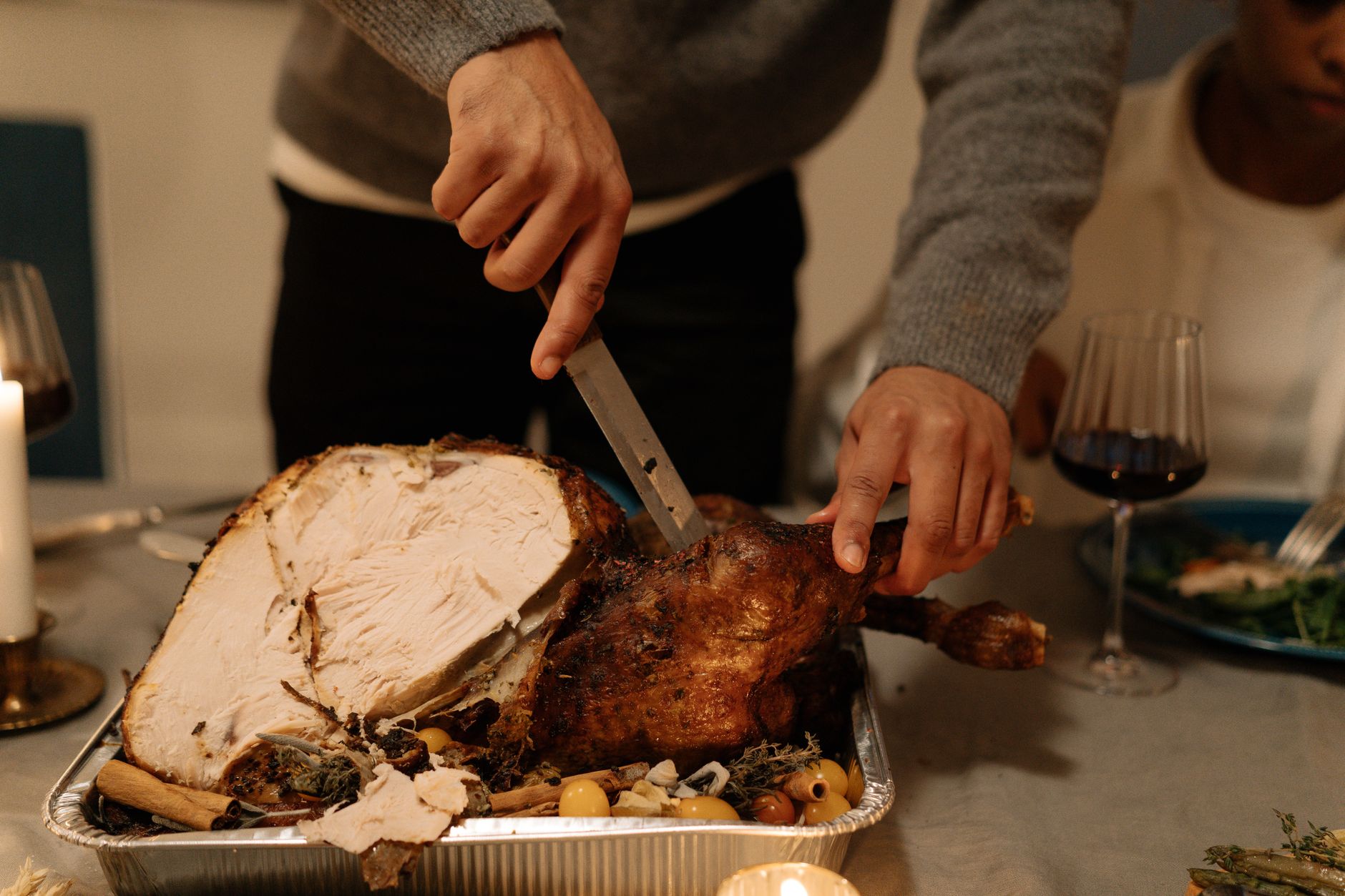
Roasting a turkey is a time-honored tradition, especially during the holidays. Knowing how long to bake a turkey is crucial for achieving that perfectly tender and juicy centerpiece. In this guide, we will explore the timing, temperature, and tips to ensure your turkey comes out delicious every time.
From preparation to serving, we’ll provide a detailed overview of how to get the most out of your turkey. Whether you’re a seasoned cook or a beginner, you’ll find everything you need to know to roast a turkey successfully.
How Long Do You Bake a Turkey?
The general rule of thumb is to bake a turkey for about 13 to 15 minutes per pound at an oven temperature of 325°F (163°C). However, this can vary depending on several factors, including whether the turkey is stuffed, the oven’s accuracy, and the type of turkey you’re using. Here, we break down the essential details for perfect timing.
Understanding Turkey Weights and Cooking Times
To help you accurately determine cooking times, here’s a basic guideline based on the weight of the turkey:
| Turkey Weight | Cooking Time (Unstuffed) | Cooking Time (Stuffed) |
|---|---|---|
| 8 to 12 pounds | 2.5 to 3 hours | 3 to 3.5 hours |
| 12 to 14 pounds | 3 to 3.75 hours | 3.5 to 4 hours |
| 14 to 18 pounds | 3.75 to 4.25 hours | 4 to 4.25 hours |
| 18 to 20 pounds | 4.25 to 4.5 hours | 4.25 to 4.75 hours |
| 20 to 24 pounds | 4.5 to 5 hours | 4.75 to 5.25 hours |
Preparing the Turkey
Before you dive into cooking, proper preparation is key to a successful turkey. Here’s how to prep your turkey:
- **Thawing**: If your turkey is frozen, allow it to thaw in the refrigerator. This usually takes about 24 hours for every 4-5 pounds. Do not thaw at room temperature to prevent bacterial growth.
- **Cleaning**: Remove the turkey from the packaging, taking out any giblets or neck from the cavity.
- **Rinsing**: Rinse the turkey under cold water and pat it dry with paper towels.
- **Seasoning**: Generously season the turkey inside and out with salt, pepper, and your choice of herbs or spices. For added flavor, consider brining or rubbing butter under the skin.
- **Stuffing (optional)**: If you plan to stuff the turkey, do so just before roasting. Make sure the stuffing is moist but not overly wet.
Setting the Oven
Preheat your oven to 325°F (163°C), which allows for even cooking without burning the skin. Place your oven rack in the lower third of the oven to ensure adequate air circulation around the turkey. If using a roasting pan, a heavy-duty one with a fitted lid or aluminum foil is ideal.
Baking the Turkey
Once the turkey is prepped and the oven is set, it’s time to roast. Here’s how:
- **Position the Turkey**: Place the turkey breast side up on a roasting rack in a roasting pan. Make sure it’s not touching the bottom of the pan to allow for even cooking.
- **Tent with Foil**: If you want to prevent the breast from overcooking and drying out, initially cover the turkey loosely with aluminum foil.
- **Bake**: Insert the turkey into the preheated oven.
- **Baste**: About every 30-45 minutes, baste your turkey with pan juices. This will keep the meat moist and enhance flavor.
- **Check Temperature**: About 30 minutes before the turkey is expected to be done, remove the foil to allow the skin to brown. Check the temperature of the turkey using a meat thermometer. The internal temperature should reach 165°F (74°C) in the thickest part of the breast and the innermost part of the thigh and wing.
Identifying Doneness
Aside from using a meat thermometer, there are other visual cues that indicate your turkey is done:
- The juices should run clear when you pierce the thigh with a fork.
- The legs should move freely in their sockets.
- The skin should be golden brown and crisp.
Resting the Turkey
After your turkey reaches the desired internal temperature, take it out of the oven. Allow it to rest for at least 20-30 minutes before carving. This resting period allows the juices to redistribute throughout the meat, resulting in a more flavorful and moist turkey.
Common Mistakes to Avoid
Even seasoned cooks can make errors when baking a turkey. Here are some common pitfalls and how to avoid them:
- **Not Thawing Properly**: Always ensure your turkey is fully thawed before cooking. Attempting to roast a still-frozen turkey can result in uneven cooking and potential foodborne illness.
- **Overcooking**: Remember that carryover cooking will continue to raise the temperature even after you take the turkey out. Monitor the internal temperature closely.
- **Skipping the Thermometer**: Relying only on the appearance of the turkey can lead to unfortunate surprises. Always use a food thermometer for accuracy.
- **Not Letting It Rest**: Rush to carve your turkey can lead to a dry bird. A good rest helps seal in moisture.
Storing and Reheating Turkey
If you have leftovers, proper storage is essential to maintain quality and safety:
- **Refrigerate**: Store leftovers in shallow containers within two hours of cooking. The turkey should be consumed within three to four days when refrigerated.
- **Freezing**: If you won’t eat the leftovers immediately, freeze them in airtight containers. The turkey can last in the freezer for up to six months.
- **Reheating**: When ready to enjoy the leftovers, reheat the turkey in the oven at 325°F (163°C) until it reaches an internal temperature of 165°F (74°C) again.
Variations and Substitutions
While traditional roasting is popular, there are alternative methods to consider:
- **Herb-Butter Turkey**: Rub fresh herbs and butter under the skin for enhanced flavor and moisture.
- **Citrus Brined Turkey**: Brine with a mixture of citrus juices, salt, sugar, and spices overnight for added zest.
- **Spatchcocking**: Remove the backbone and flatten the turkey for quicker cooking and crispy skin.
- **Deep-Frying**: If you’re looking for a crispy, golden turkey, consider deep-frying. Note: Cooking times differ and require careful attention to safety.
Final Tips for Success
Aside from the timing and preparation details provided, here are additional tips for a successful turkey bake:
- **Invest in Good Equipment**: A reliable meat thermometer and a sturdy roasting pan with a rack are invaluable for a perfectly cooked turkey.
- **Plan Ahead**: If serving a large gathering, consider cooking two smaller turkeys instead of one large turkey for better cooking and resting options.
- **Practice Safety**: Always wash your hands and surfaces after handling raw turkey to prevent cross-contamination.
- **Get Creative**: Don’t hesitate to try different rubs and marinades that suit your taste preferences, combining sweet and savory flavors.
With the right knowledge and preparation, baking a turkey can be an enjoyable and rewarding experience. By following the guidelines for cooking times and temperatures, you will create a flavorful, juicy turkey that will impress your guests.
Now that you have the foundation for successfully baking a turkey, why not explore additional resources? You can learn more specific details on cooking turkey per pound or how to deep fry a turkey to add variety to your holiday meals. Happy cooking!