
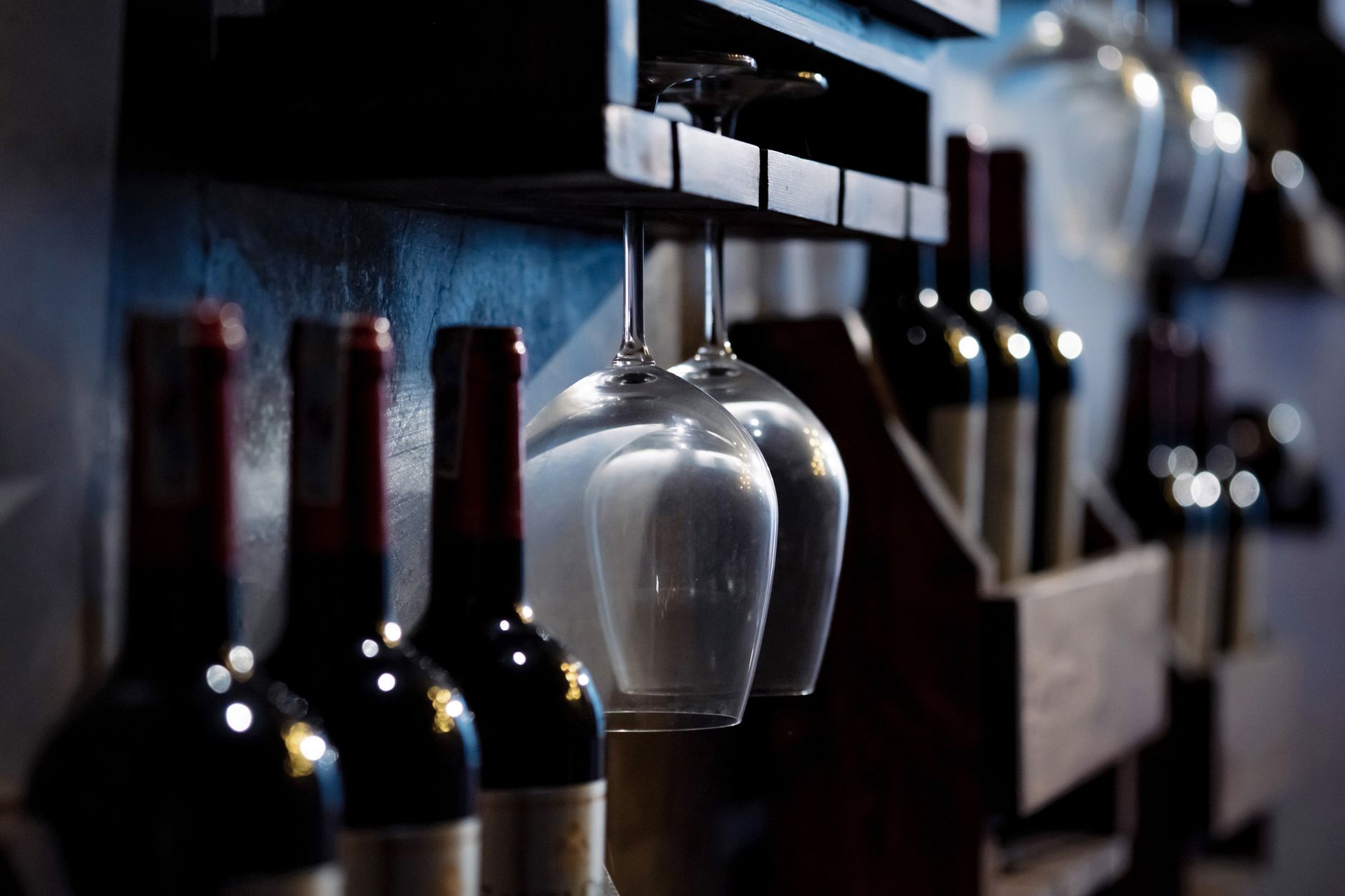
Wine is a popular beverage enjoyed around the world, often paired with meals or served at celebrations. While it is made through fermentation of grapes, many are curious about its classification in the alcoholic beverage spectrum. A common question that arises is, “Is wine considered liquor?”
The simple answer is that wine is not classified as liquor. Liquor typically refers to distilled spirits such as whiskey, vodka, rum, gin, and tequila, which have a higher alcohol content due to the distillation process. Wine, on the other hand, is a fermented beverage with a lower alcohol content, generally ranging between 8% to 15% by volume.
Understanding Wine and Liquor
To better understand the distinction between wine and liquor, it’s essential to examine the processes involved in their production, alcohol content, and how they are often consumed.
The Production Process
Wine is produced through the fermentation of crushed grapes. The sugars in the grapes are converted into alcohol by yeast, resulting in a beverage that retains the natural flavors and aromas of the fruit. The fermentation process involves no distillation, which is a key characteristic that separates wine from liquor.
Liquor, also known as spirits, undergoes a more complex production process. After the fermentation phase, the liquid is heated to separate the alcohol from the water and other components. This process, called distillation, concentrates the alcohol, resulting in a higher alcohol content compared to wine.
Alcohol Content
The alcohol by volume (ABV) of wine usually ranges from 8% to 15%, depending on the type and style. For example, lighter wines like Riesling may be lower in alcohol, while robust reds like Cabernet Sauvignon can be higher. In contrast, most liquors typically have an ABV of 20% or more, with many common spirits falling within the 40% to 50% range.
Consumption and Serving
Wine is typically enjoyed in smaller servings, often in a glass that allows for appreciation of its color and aroma. It’s commonly paired with meals, enhancing the dining experience through complementary flavor profiles. Liquors are usually served in shot glasses or mixed into cocktails, consumed as a standalone drink or in combination with mixers.
Types of Wine and Their Characteristics
With a wide variety of wine types available, understanding the different classifications can enhance your appreciation for this beverage. Here are some of the primary types of wine:
- Red Wine: Made from dark-colored grape varieties. The skin of the grapes is included during fermentation, which imparts rich flavors and tannins. Common varieties include Cabernet Sauvignon, Merlot, and Pinot Noir.
- White Wine: Produced from green or yellowish grapes, or from red grapes without their skins. White wines typically exhibit a crisper flavor. Notable varieties include Chardonnay, Sauvignon Blanc, and Riesling.
- Rosé: Created by allowing the grape skins to have minimal contact with the juice, giving it a pink hue. Rosé can be made from both red and white grape varieties.
- Sparkling Wine: Known for its effervescence, this wine undergoes secondary fermentation, creating carbon dioxide bubbles. Champagne is the most famous type of sparkling wine.
- Dessert Wine: A sweet wine often enjoyed with dessert, including varieties like Port and Sauternes. These wines often have higher sugar levels and can be richer in flavor.
Exploring Different Types of Liquor
While wine is not liquor, understanding the various types of liquor can be beneficial, especially if you are interested in cocktails or mixed drinks. Here are some of the most common types of liquor:
- Vodka: A neutral spirit made from fermented grains or potatoes. Vodka is versatile and used in many cocktails, such as martinis and Bloody Marys.
- Whiskey: Made from fermented grain mash, including barley, rye, and corn. Whiskey is known for its complex flavors derived from aging in wooden casks. Varieties include Scotch, Bourbon, and Irish whiskey.
- Rum: Produced from sugarcane or molasses, rum has a unique sweetness and is often used in tropical cocktails like Mojitos and Pina Coladas.
- Gin: A distilled spirit flavored with botanicals, primarily juniper berries. Gin serves as the base for popular cocktails like gin and tonic and Negroni.
- Tequila: Made from the blue agave plant, tequila is primarily produced in Mexico. It is known for its distinct flavor and is the main spirit in cocktails like Margaritas.
Culinary Uses of Wine
Wine is not only enjoyed as a drink but also plays a significant role in cooking and culinary practices. It’s important to select the right type of wine for cooking, as the flavors can enhance a dish markedly.
Flavor Enhancer
Wine can enhance the flavor of a dish in several ways. By deglazing a pan with wine after sautéing or roasting, you create a flavorful base for sauces. Adding wine to braised dishes helps tenderize meat and infuse it with additional flavor.
Marinades and Brines
Wine can also be used in marinades and brines, providing acidity that helps to tenderize proteins while infusing them with flavor. For example, a marinade of red wine, garlic, and herbs can complement lamb or beef.
Cooking Wine vs. Drinking Wine
When selecting wine for cooking, it’s often advisable to use wine that you would drink. Cooking wine can sometimes contain added salt or preservatives, which may negatively affect the taste of the final dish. Choosing a quality wine that complements the food will yield better results.
Practical Tips for Cooking with Wine
If you’re new to cooking with wine or looking to refine your techniques, consider these tips:
- Consider the Dish: Use white wine for lighter dishes like chicken or seafood and red wine for richer dishes like beef or lamb.
- Incorporate Wine Early: Adding wine early in the cooking process allows flavors to develop and meld into the dish.
- Don’t Overcook: A common mistake is to overcook wine, which can evaporate the beneficial flavors. Instead, simmer to maintain complexity.
- Bake with Wine: Add wine to batters and doughs for cakes or bread to introduce an interesting flavor profile.
Common Mistakes When Cooking with Wine
While cooking with wine can elevate your dishes, there are pitfalls to avoid. Here are some common mistakes:
- Using Low-Quality Wine: Substandard wine can lead to unpalatable dishes. Always opt for a wine you enjoy drinking.
- Misjudging Quantity: Too much wine can overpower other flavors. Start with a small amount and adjust as needed.
- Ignoring Alcohol Content: Some dishes may require longer cooking to evaporate the alcohol. Consider cooking times based on the recipe.
Important Wine and Liquor Pairings
Pairing wine and liquor with food can enhance the dining experience. Understanding appropriate pairings can elevate your meals. Here are some pairing recommendations:
Wine Pairings
- Red Meat: Full-bodied red wines like Cabernet Sauvignon or Syrah pair exceptionally well with red meats.
- Seafood: White wines like Sauvignon Blanc or Pinot Grigio complement seafood dishes beautifully.
- Pasta with Tomato Sauce: Chianti and Sangiovese are classic pairs for tomato-based pasta meals.
- Spicy Dishes: Riesling or Gewürztraminer works well with spicy Asian food or dishes that have heat.
Liquor Pairings
- Margaritas: Served with Mexican cuisine, especially tacos and guacamole.
- Old Fashioned: Complements savory dishes like pork or roasted vegetables.
- Martini: Enjoyed with appetizers like olives and cured meats.
Conclusion
In summary, wine is not classified as liquor due to its fermentation process and lower alcohol content. Understanding these differences can enhance your culinary experiences, whether sipping a glass of wine or cooking with it. Explore the world of wine and liquor, and consider experimenting with pairings and cooking techniques in your kitchen.
For more beverages to try, consider exploring recipes like the Gold Rush Cocktail or a classic Whiskey Sour, which can also enhance your home bartending skills.