
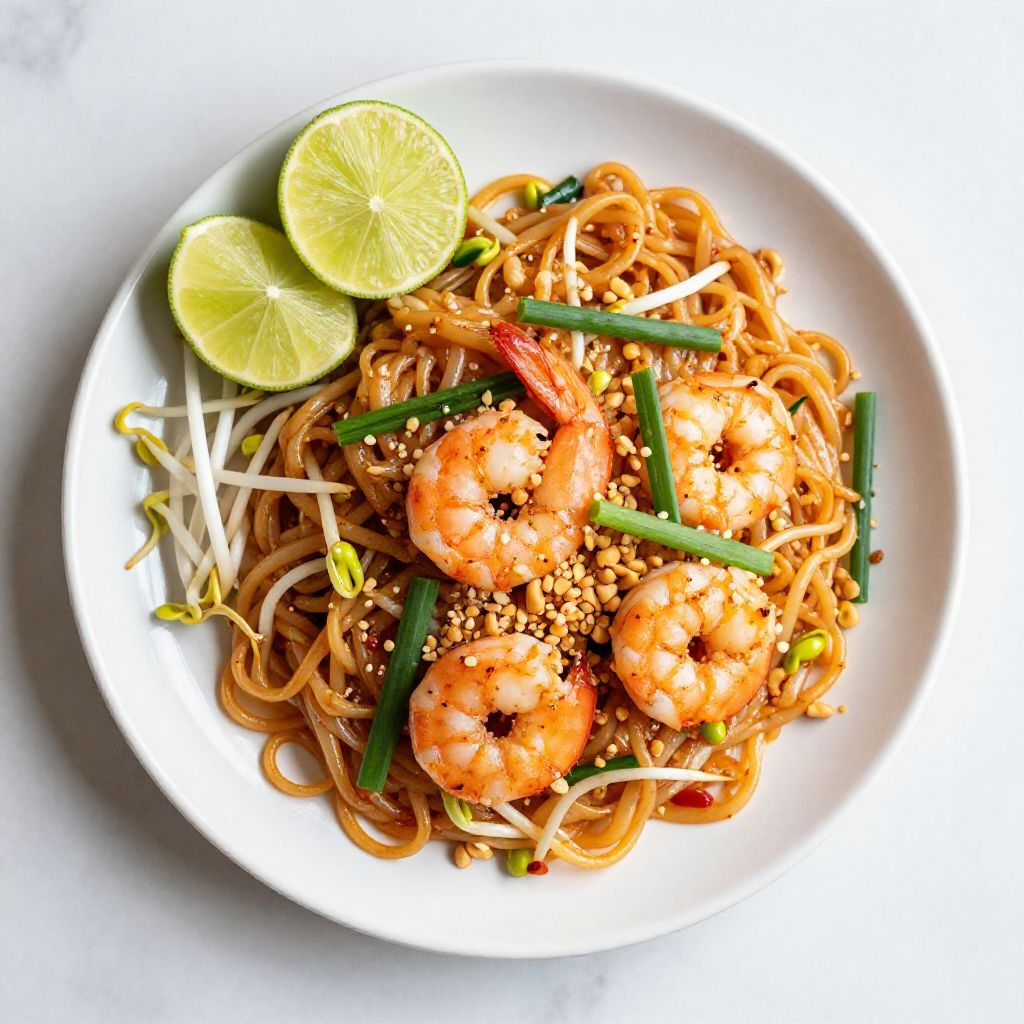
Picture this: the aroma of stir-fried noodles wafting through the air, a hint of tamarind tang, and the sizzle of fresh ingredients coming together in a delightful dance. This Authentic Pad Thai Recipe is a celebration of flavors that captures the essence of Thai street food. It’s not just a meal; it’s an experience that brings a taste of Thailand right to your kitchen. With its balance of sweet, sour, and savory, it’s a dish that’s sure to impress family and friends. Let’s dive into how to create this delicious classic!
Why You’ll Love This Recipe
This Pad Thai will quickly become a favorite for many reasons.
- Quick to prepare, making it perfect for busy weeknights.
- Versatile ingredients allow for easy customization.
- Rich in flavor with a perfect balance of textures.
- Great for serving a crowd or meal prep for the week.
My Experience Making This Recipe
Making Pad Thai at home has been a fun culinary adventure for me. The first time I tried it, I was amazed at how flavors could come together so beautifully.
Each ingredient plays a role, and the satisfaction of mastering this dish is incredibly rewarding. My friends rave about my homemade version, and I love seeing their smiles as they dig in!
Recipe Overview
- Recipe Name: Authentic Pad Thai
- Servings: 4
- Prep Time: 15 minutes
- Cook Time: 15 minutes
- Total Time: 30 minutes
- Course: Main Course
- Cuisine: Thai
- Calories per Serving: 450
Equipment You Will Need
- Large wok or frying pan
- Spatula or wooden spoon
- Measuring cups and spoons
- Knife and cutting board
- Small bowl for mixing sauce
Ingredients for Authentic Pad Thai
- 8 oz rice noodles
- 2 tbsp vegetable oil
- 2 cloves garlic, minced
- 2 eggs, beaten
- 1 cup cooked shrimp or chicken
- 1 cup bean sprouts
- 3 green onions, sliced
- 1/4 cup crushed peanuts
- 2 tbsp tamarind paste
- 3 tbsp fish sauce
- 2 tbsp sugar
- 1 tbsp lime juice
- 1 tsp chili powder (optional)
Ingredient Notes and Substitutions
- Rice Noodles: Essential for the classic texture, but you can use flat egg noodles if needed.
- Tamarind Paste: This gives the dish its signature tang; a mix of vinegar and sugar can substitute.
- Fish Sauce: It adds depth; soy sauce is a common alternative for a vegetarian option.
- Peanuts: They provide crunch; you can use cashews if you prefer.
How to Make Authentic Pad Thai
Step 1: Soak the Noodles
Start by soaking the rice noodles in warm water for about 20-30 minutes. This softens them and ensures they cook evenly in the stir-fry.
Step 2: Prepare the Sauce
In a small bowl, mix tamarind paste, fish sauce, sugar, lime juice, and chili powder if using. This sauce is the heart of the dish, balancing sweet, sour, and savory flavors.
Step 3: Heat the Wok
Heat your wok over medium-high heat and add vegetable oil. A hot wok is essential for a good stir-fry, helping to achieve that delicious charred flavor.
Step 4: Stir-Fry the Garlic
Add minced garlic to the hot oil and stir-fry for about 30 seconds. This releases its aroma and infuses the oil with flavor.
Step 5: Cook the Eggs
Push the garlic to the side and pour in the beaten eggs. Scramble them until just cooked, then mix them with the garlic.
Step 6: Add the Protein
Add the cooked shrimp or chicken to the wok and stir-fry for another 2-3 minutes. This heats the protein through and combines all the flavors.
Step 7: Toss in the Noodles
Drain the soaked noodles and add them to the wok, along with the prepared sauce. Toss everything together for about 3-4 minutes until well combined and heated through.
Step 8: Finish with Vegetables
Finally, add bean sprouts and green onions to the wok. Stir-fry for an additional minute; the goal is to keep them crisp.
Pro Tip: Don’t overcook the noodles; they should be tender but still have a bit of a bite!
Tips for the Best Authentic Pad Thai
- Use fresh ingredients for vibrant flavors; frozen ingredients can dull the taste.
- Make sure your wok is hot enough before adding ingredients for optimal stir-frying.
- Adjust the sauce to your taste; if you like it sweeter, add more sugar.
- Garnish with lime wedges for an extra burst of freshness.
- Add a dash of fish sauce at the end for an umami boost.
Common Mistakes to Avoid
- Not soaking the noodles long enough; they won’t cook properly in the stir-fry.
- Overcooking the eggs; they should be soft and fluffy, not rubbery.
- Using too much sauce; balance is key to avoid overwhelming the dish.
- Not heating the wok sufficiently; undercooked noodles will result.
Serving Suggestions
Serve your Pad Thai with fresh lime wedges and a sprinkle of crushed peanuts for added texture. Here are some great pairings:
- Thai cucumber salad for a refreshing crunch.
- Spring rolls for a light appetizer.
- Hot and sour soup for a comforting starter.
- Jasmine rice as a side dish for more carbs.
Variations to Try
- Add tofu for a vegetarian protein option; it absorbs flavors well.
- Use different vegetables like bell peppers or broccoli for added nutrition.
- Try a spicy version by adding fresh chilies during cooking.
- Substitute zoodles (zucchini noodles) for a low-carb version.
Dietary Adaptations
- Gluten-Free: Use gluten-free soy sauce instead of fish sauce.
- Dairy-Free: This recipe is naturally dairy-free, so no swaps are needed.
- Vegan: Substitute eggs with scrambled tofu for a plant-based option.
- Low-Carb/Keto: Replace rice noodles with spiralized vegetables like zucchini.
Storage and Reheating
Refrigerator
Store leftovers in an airtight container in the fridge for up to 3 days.
- Cool completely before sealing to avoid moisture buildup.
Freezer
Pad Thai can be frozen in an airtight container for up to 2 months.
- Thaw in the fridge overnight before reheating.
Reheating
Reheat in a pan over medium heat, adding a splash of water or broth to keep it moist.
- Stir frequently to ensure even heating.
Nutrition Information
| Nutrient | Amount |
|---|---|
| Calories | 450 |
| Total Fat | 15g |
| Saturated Fat | 2g |
| Carbohydrates | 60g |
| Fiber | 3g |
| Sugar | 6g |
| Protein | 18g |
| Sodium | 800mg |
| Cholesterol | 150mg |
This nutrition information is an estimate and can vary based on ingredients and portion sizes.
Frequently Asked Questions
Can I make Pad Thai ahead of time?
Absolutely! You can prepare the noodles and sauce ahead, then stir-fry just before serving.
What if my noodles are too sticky?
If your noodles stick together, try rinsing them under cold water before adding them to the wok.
Can I use a different protein?
Yes! Chicken, shrimp, tofu, or even vegetables work great, depending on your preference.
How can I adjust the spice level?
Simply add more chili powder or fresh chilies to the sauce for a spicier kick.
Is it okay to substitute the tamarind?
Yes, a mixture of vinegar and brown sugar can work in a pinch if you don’t have tamarind paste.
Final Thoughts
Cooking Authentic Pad Thai at home is a rewarding experience that brings the vibrant flavors of Thailand right into your kitchen. I hope you enjoy making this dish as much as I do!
For more delicious recipes, check out my Thai Eggplant Recipe and Thai Cucumber Salad Recipe.
Authentic Pad Thai
Ingredients
Equipment
Method
- Soak the rice noodles in warm water for about 20-30 minutes.
- In a small bowl, mix tamarind paste, fish sauce, sugar, lime juice, and chili powder if using.
- Heat the wok over medium-high heat and add vegetable oil.
- Add minced garlic to the hot oil and stir-fry for about 30 seconds.
- Push the garlic to the side and pour in the beaten eggs, scrambling until just cooked.
- Add the cooked shrimp or chicken to the wok and stir-fry for another 2-3 minutes.
- Drain the soaked noodles and add them to the wok along with the prepared sauce, tossing everything for about 3-4 minutes.
- Finally, add bean sprouts and green onions to the wok and stir-fry for an additional minute.