
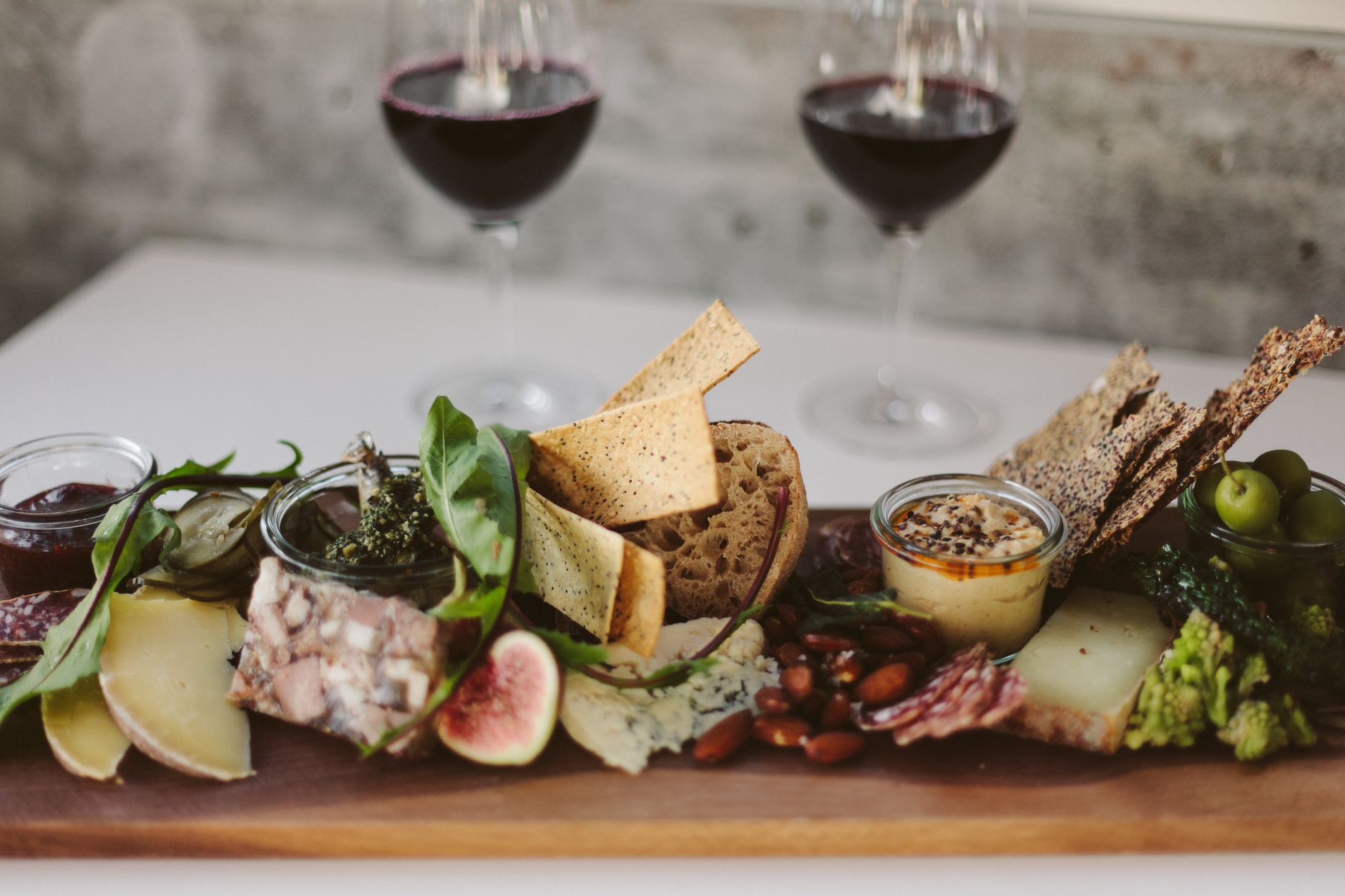
Apero, a term derived from the French word “apéritif,” is a delightful tradition that combines good food and drinks, often enjoyed before meals. With a rich cultural significance, it highlights the joy of gathering with friends and family, celebrating flavors, and enhancing the culinary experience that follows.
This article will explore what Apero is in detail, including its essential ingredients, flavor profiles, and the best ways to serve it. Whether you’re hosting a casual get-together or planning a formal dinner, understanding Apero can elevate your dining experience.
What Is Apero?
Apero, or apéritif, refers to drinks and light snacks served before a meal to stimulate the appetite. It usually encompasses a variety of beverages, including cocktails, wine, and spirits, served alongside small bites, which can range from savory to sweet.
The concept of Apero encourages a leisurely pace before dining, allowing guests to unwind and socialize. The offerings can vary widely, reflecting local customs and available ingredients, but the essence remains the same: enjoying good company and flavors before the main course.
Key Ingredients of Apero
The beauty of Apero lies in its flexibility. However, certain staples are commonly featured in many Apero gatherings. Below is a list of essential components:
- Drinks: Traditional Apero drinks include various types of wine (white, rosé, or red), champagne, Vermouth, and flavored liqueurs like pastis or Aperol. Cocktails, particularly spritzers, are also popular.
- Cheese: A selection of cheeses can include varieties such as brie, camembert, or goat cheese. Charcuterie options may consist of varieties of ham, salami, or pâté.
- Olives: Olives contribute a briny flavor that complements many drinks, enhancing the overall Apero experience.
- Nuts: A mix of nuts, including almonds and cashews, serves as a crunchy snack that pairs well with beverages.
- Breads: Baguette slices, crackers, or breadsticks are staple accompaniments, perfect for dipping or sampling with spreads.
- Dips and Spreads: Hummus, tapenade, or various cheese spreads can add depth to your Apero spread and provide variety.
Flavor Profiles of Apero
The flavor profile of Apero is a delightful balance, enhancing the drinking and dining experience. Here’s a breakdown of the primary flavors you might encounter:
Bitterness
Many Apero drinks feature bitter notes, particularly in cocktails like an Aperol spritz or vermouth. These subtle bitters stimulate the palate and prepare it for the meal to come.
Savory Notes
Savory elements from cheeses, cured meats, and dips add depth to the tasting experience. Foods like aged cheese have robust flavors that can accentuate the drink’s characteristics.
Salty Flavors
Saltiness from olives and nuts complements the sweetness found in many drinks, making for a well-rounded tasting session.
Freshness
Fresh ingredients, such as herbs used in cocktails or garnishes, can lift the flavor profile and brighten the overall experience.
How to Serve Apero
Serving Apero is more about the vibe than strict rules. However, consider the following elements when hosting an Apero gathering:
Presentation
Creating an inviting presentation is key to an enjoyable Apero experience. Use a combination of large platters and small bowls to hold snacks and dips, and keep the layout casual yet appealing.
Glassware
The type of glassware can enhance the experience. For cocktails, consider using elegant flutes or highball glasses. Wine can be served in traditional wine glasses, while drinks like pastis are perfect in short, wide glasses.
Proportions
Ensure you have a good balance between drinks and food. A general rule of thumb is to plan for about two drinks per person, accompanied by sufficient snacks to keep everyone satisfied without overwhelming the appetite.
Temperature
Ensure that your drinks are served at the appropriate temperature. Most white wines and sparkling wines should be chilled, while room temperature can enhance the flavors of rich red wines.
Apero Examples and Popular Variations
There are numerous ways to approach Apero, reflecting personal taste and regional influences. Below are some popular variations:
Apero in Southern France
In regions like Provence, an Apero typically includes a chilled rosé, accompanied by a selection of tapenade, olives, and aromatic herbs. It’s common to enjoy a light breeze on a terrace while socializing.
The Italian Spritz
The Italian version often centers around cocktails like the Aperol Spritz. This bright orange drink made with prosecco, soda, and Aperol is often complemented with small plates of bruschetta, cheese, and cured meats.
Spanish Apero
In Spain, Apero takes on a more vibrant feel, often featuring vermut accompanied by olives, anchovies, and various small finger foods known as tapas. Spanish olives drenched in spices add a distinctive regional touch.
Modern Twists
Today’s Apero can include more contemporary elements such as craft cocktails or gin and tonics, paired with innovative snacks like avocado toasts or bespoke cheese boards.
Common Mistakes to Avoid When Hosting Apero
To ensure that your Apero gathering is enjoyable, consider avoiding these common missteps:
- Overcomplicating the Menu: Keep it simple with a few selected items to ensure everything is fresh and enjoyable without overwhelming guests.
- Forgetting the Balance: Ensure a good mix of flavors, textures, and aromas to stimulate the palate without overshadowing the meal to come.
- Serving at Incorrect Temperatures: Make sure drinks are chilled as needed and that room-temperature items are adequately prepared.
- Neglecting Presentation: A visually appealing setup can enhance guests’ enjoyment; take the time to arrange the snacks attractively.
- Not Enough Variety: Offer a selection of drinks and snacks to cater to different preferences and dietary restrictions.
Make-Ahead Suggestions
Preparing for an Apero gathering can be streamlined with some effective make-ahead strategies:
- Prep Dips and Spreads: Items like hummus, tapenade, or cheese spreads can be made in advance and stored in airtight containers in the refrigerator for a few days before serving.
- Assemble Snack Platters: Create platters of cured meats, cheeses, and olives in advance. Cover and store in the fridge until ready to serve.
- Chill Your Drinks: Don’t forget to chill your wines or cocktails at least a few hours before guests arrive.
- Ice Cubes for Drinks: For cocktails served on ice, consider making ice cubes with herbs or fruits inside for an extra flair.
Storage and Reheating Guidelines
Storing leftover Apero snacks and drinks properly is essential for maintaining freshness:
- Cheeses and Charcuterie: Wrap leftovers tightly in plastic wrap or store in airtight containers to prevent them from drying out.
- Dips and Spreads: Store in airtight containers in the refrigerator. Most can last for up to five days.
- Breads: If there are leftover bread items, store them in a zipped bag to maintain freshness. Avoid refrigerating bread unless necessary.
- Drinks: For unfinished wine or opened spirits, reseal bottles tightly and store them in a cool place.
Apero as a Cultural Experience
Participating in an Apero is more than just food and drink; it’s about embracing cultural traditions and the art of conviviality. It invites social interaction at a slower pace, encouraging appreciation of flavors and thoughtful conversation.
As you embrace this tradition, remember that Apero can be personalized to suit your taste, whether you prefer a classic approach or modern twists on traditional elements. This flexibility is part of what makes Apero such an enjoyable and celebrated custom.
In summary, Apero is an exciting way to enhance your dining experience, perfect for every occasion. Whether you keep it simple with a few good drinks and snacks or elaborate with a well-curated spread, embracing the Apero tradition can create memorable moments for you and your guests.
If you’re looking for further culinary inspiration, explore these articles about Pilsners and find out what’s in an Aperol Spritz. Both can add a fun twist to your next Apero gathering!