
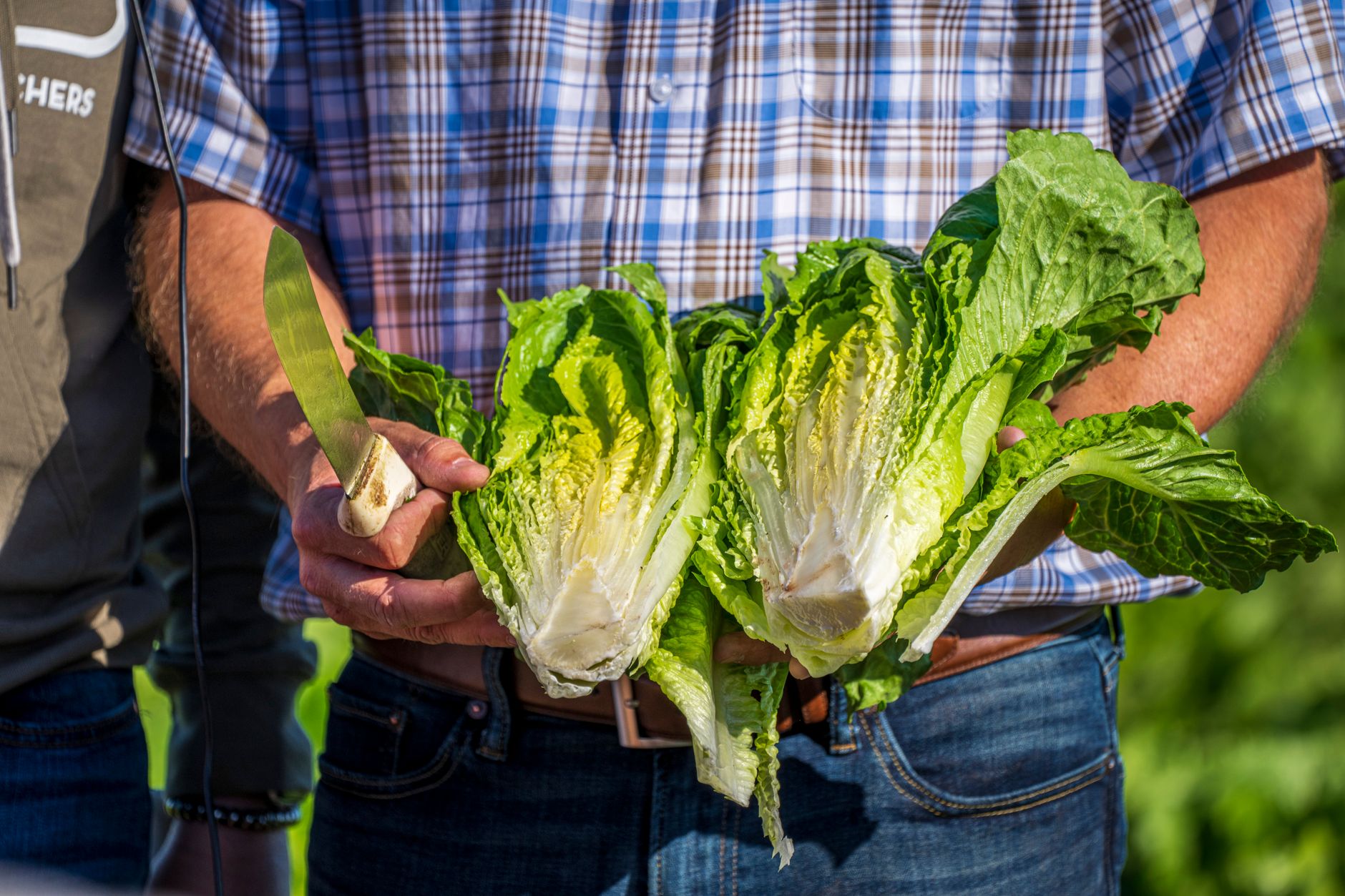
Lettuce is widely enjoyed in salads and as a garnish, but recent food safety issues have raised concerns about certain types of lettuce making people sick. Understanding the risks associated with lettuce, along with proper handling and preparation techniques, is vital to enjoying this leafy green healthfully. This article delves into the types of lettuce linked to foodborne illnesses, the bacteria involved, and practical tips to avoid contamination.
As we explore the topic, we will address common lettuce varieties, discuss the pathogens that can contaminate them, and provide guidelines for safe purchasing, storage, and preparation. Equipping yourself with this knowledge can help you make safer choices and enjoy your meals with peace of mind.
What Lettuce Is Making People Sick?
Leafy greens like romaine and iceberg lettuce have occasionally been associated with outbreaks of foodborne illnesses caused by bacteria such as E. coli and Salmonella. The contamination usually occurs during the growing, harvesting, or processing stages, emphasizing the importance of safe handling practices.
Common Lettuce Varieties Linked to Foodborne Illnesses
Two types of lettuce have made headlines in recent food safety alerts due to reported contaminations:
- Romaine Lettuce: Frequently associated with E. coli outbreaks, romaine lettuce has a larger surface area that can harbor pathogens. Handling and washing methods can greatly affect safety.
- Iceberg Lettuce: Though generally considered safer, iceberg can also be susceptible to contamination, particularly if grown in proximity to animal farms or in contaminated water.
Bacteria That Contaminate Lettuce
Understanding the bacteria that can contaminate lettuce is fundamental for prevention. Here are two primary pathogens of concern:
1. E. Coli
Escherichia coli (E. coli) can lead to severe gastrointestinal illness. Contamination may result from:
- Animal manure used as fertilizer.
- Contaminated water supply.
- Improper food handling or cross-contamination.
2. Salmonella
Salmonella is another bacterium that can cause serious sickness. Common sources of contamination for lettuce include:
- Contact with infected animals.
- Contamination from processing equipment or food handlers.
How to Reduce the Risk of Contamination
Cooking lettuce is not typical; therefore, ensuring it’s safely handled from farm to table is crucial.
Safe Purchasing Tips
- Buy lettuce from reputable sources or brands that follow safe handling and processing practices.
- Inspect packaging for any signs of damage or leakage that may compromise freshness.
- Choose whole heads of lettuce rather than pre-cut options to avoid increased exposure risks.
Proper Storage Methods
Storing lettuce correctly prevents spoilage and reduces the risk of contamination:
- Store lettuce in the refrigerator at 32°F to 36°F (0°C to 2°C).
- Keep it in a salad drawer or in perforated plastic bags to maintain humidity while allowing airflow.
- Avoid washing lettuce before storage; moisture can promote mold growth.
Preparation and Handling Guidelines
Before consuming lettuce raw, follow these preparation guidelines:
- Wash hands thoroughly with soap and water before handling food.
- Rinse lettuce under cold running water, even if it looks pre-washed. Use a soft brush for whole heads.
- Remove any damaged or wilted outer leaves, which may harbor pathogens.
- Use a clean knife and cutting board to prepare lettuce, and avoid using the same equipment for raw meat or other potential contaminants.
- Dry the lettuce using a clean kitchen towel or salad spinner to remove excess moisture.
Recognizing Symptoms of Foodborne Illness
Awareness of symptoms related to foodborne illness is important. Common signs include:
- Nausea and vomiting
- Diarrhea (often bloody with E. coli)
- Abdominal cramps
- Fever (especially with Salmonella)
If symptoms appear after consuming contaminated lettuce, it is essential to seek medical attention, especially for those with weakened immune systems, children, and the elderly.
Handling Lettuce Post-Contamination Alerts
In the event of food safety recalls or alerts involving lettuce, take the following actions:
- Check local news for advisories and identified brands or varieties involved in the recall.
- Discard any affected lettuce, including pre-packaged salads or mixed greens that may contain it.
- Monitor your health for symptoms and consult a healthcare provider if necessary.
Practical Tips for Safe Lettuce Consumption
Here are some additional practical tips to ensure your lettuce consumption remains safe:
- Be aware of seasonal produce recalls, especially during warmer months when foodborne illnesses peak.
- Consider growing your own lettuce at home if space permits; this allows complete control over growing conditions.
- Incorporate a variety of greens in your diet, such as spinach, arugula, or kale, to diversify flavors and textures.
Delicious Ways to Enjoy Lettuce
While being mindful of food safety, lettuce can be a flavorful and nutritious addition to your meals. Here are a few ideas on how you can use lettuce:
- Salads: Combine different types of lettuce with vegetables, nuts, seeds, or grains for added texture and flavor.
- Wraps: Use large leaves of lettuce, such as romaine or butter lettuce, to wrap fillings like grilled chicken, tofu, or veggies for a low-carb alternative to tortillas.
- Soups: Add chopped lettuce to soups or stir-fries for an added green element.
Healthy Alternatives to Lettuce
If you’re looking for alternatives to lettuce due to safety concerns, consider these options:
- Spinach: Nutrient-rich and versatile; can be used in salads, smoothies, or cooked dishes.
- Kale: A hearty green packed with vitamins; great for salads or sautéing with garlic.
- Swiss Chard: Offers a mild, earthy flavor and can be eaten raw or cooked.
Conclusion
By understanding what types of lettuce have been linked to illness and taking proper handling measures, you can continue to enjoy the freshness and flavor of this leafy green. Always prioritize safe purchasing, storage, and preparation practices to minimize any health risks associated with lettuce. Being informed is the first step in safeguarding your health while enjoying delicious salads and wraps.
Explore more delicious dishes with our wilted lettuce recipe or try something unique with our dandelion greens recipe.