
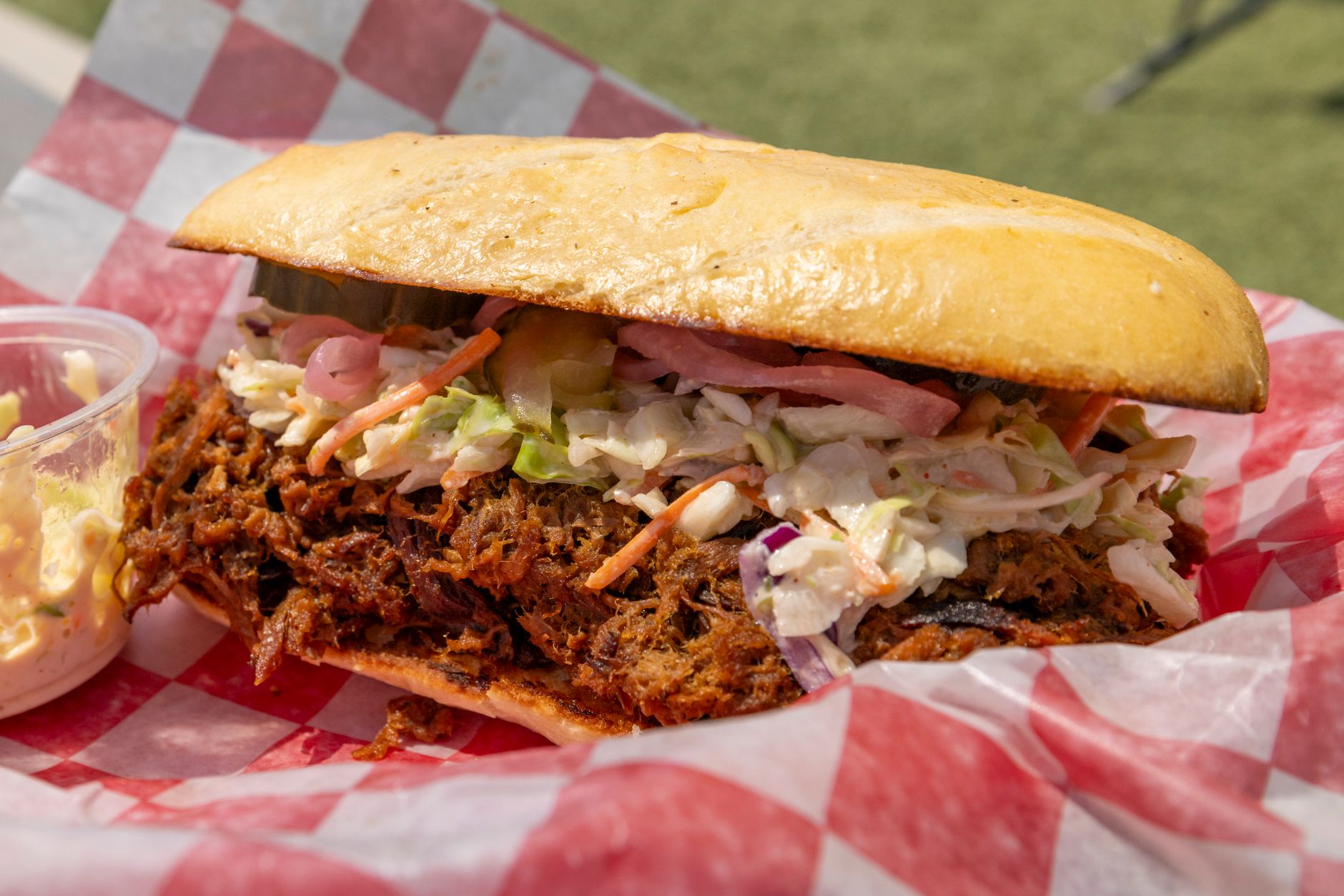
Swarma, a popular street food originating from the Middle East, embodies a delicious way to enjoy marinated meat wrapped in soft bread. Commonly featuring lamb, chicken, beef, or a mix, it’s loved for its flavorful spices and exceptional textures. This article will delve into the ingredients, flavors, serving suggestions, and the history behind this delightful dish.
Whether you’re looking to prepare swarma at home or simply understand what makes it so special, you’ll find all the relevant details here. From flavor profiles to presentation tips, each aspect of swarma is covered to help you appreciate and serve this dish perfectly.
What Is Swarma?
Swarma is a Middle Eastern dish consisting of thinly sliced and seasoned meat, typically cooked on a vertical rotisserie. The meat is usually marinated with spices such as cumin and garlic, and then sliced into tender pieces. It’s typically served in pita bread or flatbreads accompanied by vegetables and sauces.
Ingredients of Swarma
The exact ingredients for swarma can vary widely depending on the region and personal preferences. However, the following list outlines the core components typically found in swarma.
- Meat: Commonly chicken, lamb, beef, or turkey.
- Marinade:
- Yogurt
- Olive oil
- Lemon juice
- Garlic
- Cumin
- Coriander
- Paprika
- Black pepper
- Salt
- Turmeric
- Cinnimon (optional)
- Bread: Pita bread, laffa, or flatbread.
- Vegetables:
- Lettuce
- Tomatoes
- Onions
- Cucumbers
- Sauces:
- Garlic sauce (toum)
- Hot sauce (optional)
- Hummus (optional)
- Tabbouleh (optional, as a side dish)
Flavor Profile of Swarma
Swarma is loved for its harmonious blend of rich, savory flavors and aromatic spices. The marinated meat emerges tender and juicy, helping to deliver a burst of flavors in every bite.
The yogurt and citrus marinade not only tenderize the meat but also impart a tangy flavor. Olive oil adds richness, while spices like cumin, coriander, and paprika create a warm and fragrant background. The fresh vegetables add a crunch and a hint of sweetness that balances the spices beautifully.
Typically complemented by creamy sauces such as garlic sauce, swarma presents an exciting contrast of textures and flavors that makes it a universally appealing dish.
How to Serve Swarma
Serving swarma can be as simple or elaborate as you choose. Here’s a comprehensive guide on how to serve this dish effectively.
Pita or Flatbread
Swarma is most commonly served in pita or flatbread. Consider the following steps for serving:
- Warm the pita or flatbread slightly to enhance its pliability.
- Place a generous portion of swarma meat in the center.
- Add freshly chopped vegetables on top.
- Drizzle with your choice of sauces for added flavor.
- Fold the pita or flatbread around the filling, ensuring it contains all ingredients.
Side Dishes
Completing your swarma meal with side dishes can elevate the dining experience. Consider serving:
- Fries or roasted potatoes seasoned with spices.
- A simple salad with cucumbers, tomatoes, and parsley.
- Traditional Middle Eastern dishes like tabbouleh or fattoush.
- Pickles or pickled vegetables for a tangy contrast.
Presentation Tips
For an eye-catching presentation, opt for serving swarma on a wooden board or platter. Arrange swarma wraps alongside bowls of sauces, fresh vegetables, and optional dips for sharing. This creates an inviting and communal dining atmosphere.
Common Variations of Swarma
While swarma has its traditional roots, many variations have emerged based on regional differences and dietary preferences. Here are some common variations:
Chicken Swarma
Chicken swarma is perhaps the most popular variety. It utilizes marinated, tender chicken pieces, making it a favorite among those who prefer poultry over red meat.
Lamb Swarma
Lamb swarma is rich and flavorful due to the natural juices of the meat. It’s often seasoned heavily with spices, contributing to a robust taste that many love.
Vegetarian Swarma
Vegetable swarma can be filled with various grilled or roasted vegetables like eggplant, zucchini, and peppers, often marinated to enhance flavor. This option caters to vegetarians looking for satisfying alternatives.
Beef or Turkey Swarma
For those who prefer beef or turkey, these meats can also be heavily seasoned and sliced to create their own distinct flavor profiles, remaining truest to the essence of swarma.
How to Make Swarma at Home
Making swarma at home requires commitment but is rewarding and allows you to customize flavors to your preference. The following steps will guide you through preparing a basic chicken swarma.
Ingredients
- 2 pounds boneless chicken thighs (or your choice of meat)
- 1 cup plain yogurt
- ¼ cup olive oil
- Juice of 2 lemons
- 6 garlic cloves, minced
- 2 teaspoons ground cumin
- 2 teaspoons ground coriander
- 1 teaspoon paprika
- 1 teaspoon black pepper
- 1 teaspoon salt
- ½ teaspoon ground turmeric
- Pita or flatbread for serving
- Fresh vegetables and sauces for garnish
Essential Equipment
- Mixing bowl
- Whisk
- Grill or grill pan
- Knife
- Cutting board
- Stove
Preparation Steps
- In a large mixing bowl, combine yogurt, olive oil, lemon juice, minced garlic, and spices. Whisk well to create a marinade.
- Add the chicken thighs to the marinade, ensuring they are well coated. Cover and refrigerate for at least 2 hours, or preferably overnight for maximum flavor.
- Preheat your grill or grill pan over medium-high heat.
- Remove the chicken from the marinade and pat off excess marinade. Grill the chicken for about 5-7 minutes on each side, or until cooked through with an internal temperature of 165°F (75°C).
- Once grilled, allow the chicken to rest for a few minutes before slicing it thinly.
- Warm your pita or flatbread slightly, then add the sliced chicken, fresh vegetables, and sauce.
- Wrap or fold the bread around the filling and serve immediately.
Substitutions and Variations
When preparing swarma, feel free to experiment with ingredients based on availability or personal preference. Here are some effective substitutions:
- For yogurt, use dairy-free alternatives like coconut yogurt for a lactose-free option.
- If garlic is not an option, try shallots or omit entirely.
- For the meat, consider using plant-based proteins, such as tofu or seitan, marinated similarly to achieve a unique flavor.
- Herbs like cilantro or parsley can add freshness when added to the filling.
Common Mistakes to Avoid
When making swarma, several common mistakes can impact the outcome. Here’s what to keep in mind:
- Not allowing the meat to marinate long enough can lead to bland flavors.
- Cooking the meat on too high heat can lead to charring on the outside while leaving the inside undercooked.
- Failing to let the chicken rest after grilling can result in a loss of juices, leading to dry meat.
Storage and Reheating Suggestions
If you have leftovers, here are safe storage and reheating tips:
- Store cooked swarma in an airtight container in the refrigerator for up to 3 days.
- To reheat, place the chicken in a microwave or on a skillet over medium heat, ensuring it reaches an internal temperature of 165°F (75°C).
- Consider freshening up the wraps by adding new vegetables or sauces during reheating.
Enjoying Swarma Everywhere
Swarma is a versatile dish that can easily fit into a variety of meal occasions. Whether enjoyed as a quick lunch, a casual dinner on a weeknight, or as part of a gathering, swarma remains a beloved choice around the globe.
As you explore swarma, you’ll appreciate its adaptability and deliciousness, inspiring many creative interpretations. It’s a dish that can quite literally be made your own through personal touches and family recipes.
Swarma not only satisfies the palate but also weaves into the shared fabric of global cuisine, inviting everyone to partake in its unique delight.
If you’re interested in more recipes and culinary guides, consider checking out Chicken Al Pastor Recipe or learn how to make Halal White Sauce. These resources can enrich your cooking experience and deepen your understanding of similar flavors and techniques.