
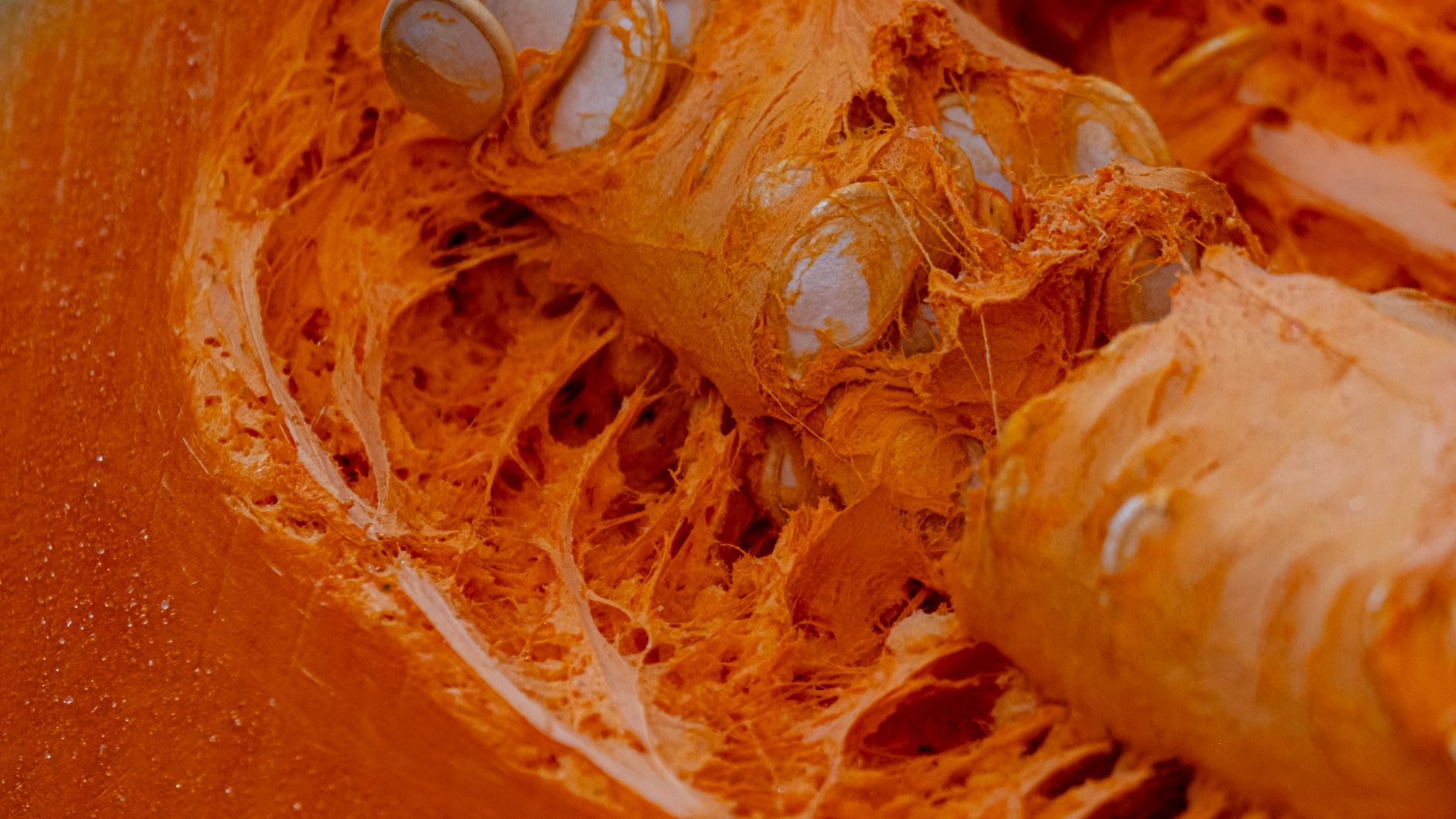
Pumpkins are a beloved ingredient in many autumn dishes, but have you ever wondered what the inside of a pumpkin is called? The inside of a pumpkin primarily comprises its flesh and seeds, along with the membrane that holds everything together.
Understanding these components can enhance your cooking and baking endeavors, whether you’re making classic pumpkin pie or whipping up a savory pumpkin soup. In this article, we will explore what the inside of a pumpkin is called, its culinary uses, and provide guidance on how to prepare and cook with this versatile squash.
What Is the Inside of a Pumpkin Called?
The inside of a pumpkin is commonly referred to as the “flesh,” which is the soft, edible part that forms the bulk of the pumpkin. This flesh is surrounded by a network of membranes and filled with seeds. Collectively, these components—flesh, seeds, and membranes—constitute the interior of a pumpkin.
When you cut a pumpkin open, you will first notice the bright orange flesh, which has a slightly sweet and earthy flavor. The seeds, or “pepitas,” are crunchy and delicious, often roasted for snacking. The membrane can be a bit stringy, separating the flesh from the seeds.
Culinary Uses of Pumpkin Flesh
Pumpkin flesh is a versatile ingredient in both sweet and savory dishes. Here are some popular culinary uses:
- Soups: Pumpkin flesh can be roasted and blended into creamy soups. Combining it with spices like cinnamon and nutmeg can create a warm and comforting dish.
- Baking: Pumpkin puree is often used in baked goods such as pies, muffins, and bread. Its natural sweetness and moisture content help keep baked items tender.
- Side Dishes: Roasted pumpkin can serve as a flavorful side dish. Toss it with olive oil, salt, and herbs before roasting for enhanced flavor.
- Curries: The flesh can be added to curries, where it absorbs spices and complements other ingredients nicely.
Exploring Pumpkin Seeds
Pumpkin seeds are not just the hassle of cleaning up after carving; they are a delicious and nutritious snack. Here’s how to prepare and use them:
How to Roast Pumpkin Seeds
- After removing the seeds from the pumpkin, rinse them under cold water, separating them from the membranes.
- Boil the seeds in salted water for about 10 minutes, which helps them cook evenly.
- Drain and pat the seeds dry with a towel.
- Toss the seeds in olive oil and your favorite seasonings, such as garlic powder, paprika, or cinnamon.
- Spread the seeds onto a baking sheet in a single layer.
- Roast in a preheated oven at 350°F (175°C) for 20-30 minutes, stirring occasionally, until golden brown and crunchy.
- Allow the seeds to cool before enjoying them as a snack or topping for salads and soups.
Membrane and Stringy Parts
The membrane inside a pumpkin is often discarded or overlooked because it can be stringy and does not have the same flavor or texture as the flesh and seeds. However, there are ways to make use of it:
- Composting: The membrane and other pumpkin scraps can be composted, enriching your garden soil.
- Stock: If you’re making vegetable stock, adding some of the membranes can impart a mild pumpkin flavor.
Choosing the Right Pumpkin
When picking a pumpkin for cooking, not all pumpkins are created equal. Commonly used pumpkins include:
- Sugar Pumpkins: These smaller varieties are known for their sweet, dense flesh, making them perfect for pies and baking.
- Pie Pumpkins: Specifically bred for culinary uses, these pumpkins have a high sugar content and smooth texture.
- Carving Pumpkins: While great for decoration, these large pumpkins typically have watery flesh and are best used for making pumpkin puree.
How to Prepare Pumpkin Flesh
Preparation is key when working with pumpkins. Here’s how to properly clean and prepare pumpkin flesh for cooking:
Step-by-Step Guide to Preparing Pumpkin Flesh
- Start by selecting a pumpkin that feels heavy for its size with a firm, blemish-free skin.
- Wash the outside of the pumpkin to remove any dirt.
- Using a sharp knife, carefully cut off the top to create a lid.
- Using a large spoon or scoop, remove the seeds and strings from the cavity.
- Cut the pumpkin into manageable sections.
- Peel the skin off each section using a vegetable peeler or paring knife.
- Cut the flesh into cubes for cooking or puree it in a blender for recipes.
Cooking with Pumpkin: Recipes and Tips
Here are a few popular recipes featuring pumpkin flesh:
Basic Pumpkin Puree
This is a simple recipe for making fresh pumpkin puree that can be used in various dishes.
- Ingredients:
- 1 sugar pumpkin (approximately 2 pounds)
- Preheat your oven to 400°F (200°C).
- Cut the pumpkin in half and scoop out the seeds and membranes.
- Place the pumpkin halves cut-side down on a baking sheet lined with parchment paper.
- Bake for 45-60 minutes, until the flesh is soft and easily pierced with a fork.
- Let the pumpkin cool slightly before scooping the flesh into a blender and pureeing until smooth.
Pumpkin Bread Recipe
This moist and fragrant pumpkin bread is perfect for breakfast or snack time.
- Ingredients:
- 1 cup pumpkin puree
- 1 cup granulated sugar
- 1/2 cup vegetable oil
- 2 large eggs
- 1 1/2 cups all-purpose flour
- 1 tsp baking soda
- 1/2 tsp baking powder
- 1 tsp cinnamon
- 1/2 tsp nutmeg
- 1/2 tsp salt
- Preheat your oven to 350°F (175°C) and grease a 9×5-inch loaf pan.
- In a large mixing bowl, combine pumpkin puree, sugar, and oil. Add eggs and mix well.
- In a separate bowl, whisk together flour, baking soda, baking powder, cinnamon, nutmeg, and salt.
- Gradually add the dry ingredients to the wet ingredients, mixing until just combined.
- Pour the batter into the prepared loaf pan and smooth the top.
- Bake for 60-70 minutes, or until a toothpick inserted into the center comes out clean.
- Let the bread cool in the pan for 10 minutes before transferring it to a wire rack to cool completely.
Substitutions & Variations
If you cannot find fresh pumpkin, ‘canned pumpkin puree’ is a reliable substitute for recipes requiring pumpkin. However, be sure to pick 100% pure pumpkin with no added sugar or spices.
For those looking to experiment with flavors, try adding spices like ginger, cloves, or allspice to pumpkin bread or muffins for an extra depth of flavor. You can also mix in cooked apples or pecans for added texture.
Common Mistakes and Troubleshooting
When working with pumpkin, there are a few common mistakes to avoid:
- Choosing the Wrong Pumpkin: Always opt for sugar pumpkins or pie pumpkins for the best flavor and texture in cooking.
- Overcooking: Be cautious not to overbake pumpkin; it can become dry and lose its inherent sweetness.
- Ignoring Freshness: Fresh pumpkin puree from scratch differs from the canned variety. If using canned, ensure it’s pure pumpkin and not pumpkin pie filling, which is pre-sweetened.
Storage and Freezing Pumpkin Products
Proper storage techniques can help preserve the freshness of pumpkin products:
Storing Pumpkin Puree
- Fresh pumpkin puree can be stored in the refrigerator for about 5-7 days in an airtight container.
- You can freeze pumpkin puree for up to 3-6 months. Portion it in freezer bags or containers, removing as much air as possible before sealing.
Storing Roasted Pumpkin Seeds
- Roasted pumpkin seeds can be stored in an airtight container at room temperature for up to two weeks.
- For longer storage, they can be frozen in a sealed container for up to six months.
Concluding Thoughts
Understanding what the inside of a pumpkin is called—flesh, seeds, and membrane—opens up a world of culinary possibilities. Whether you’re preparing comforting pumpkin soup, baking a delicious pumpkin bread, or roasting the seeds for snacking, pumpkins are a versatile ingredient.
Now that you know how to utilize the inside of a pumpkin, it’s time to experiment and incorporate this autumnal favorite into your kitchen. If you’re looking for more delicious ideas, learn how to check if you can freeze pumpkin pie or discover what pumpkin puree is all about.