
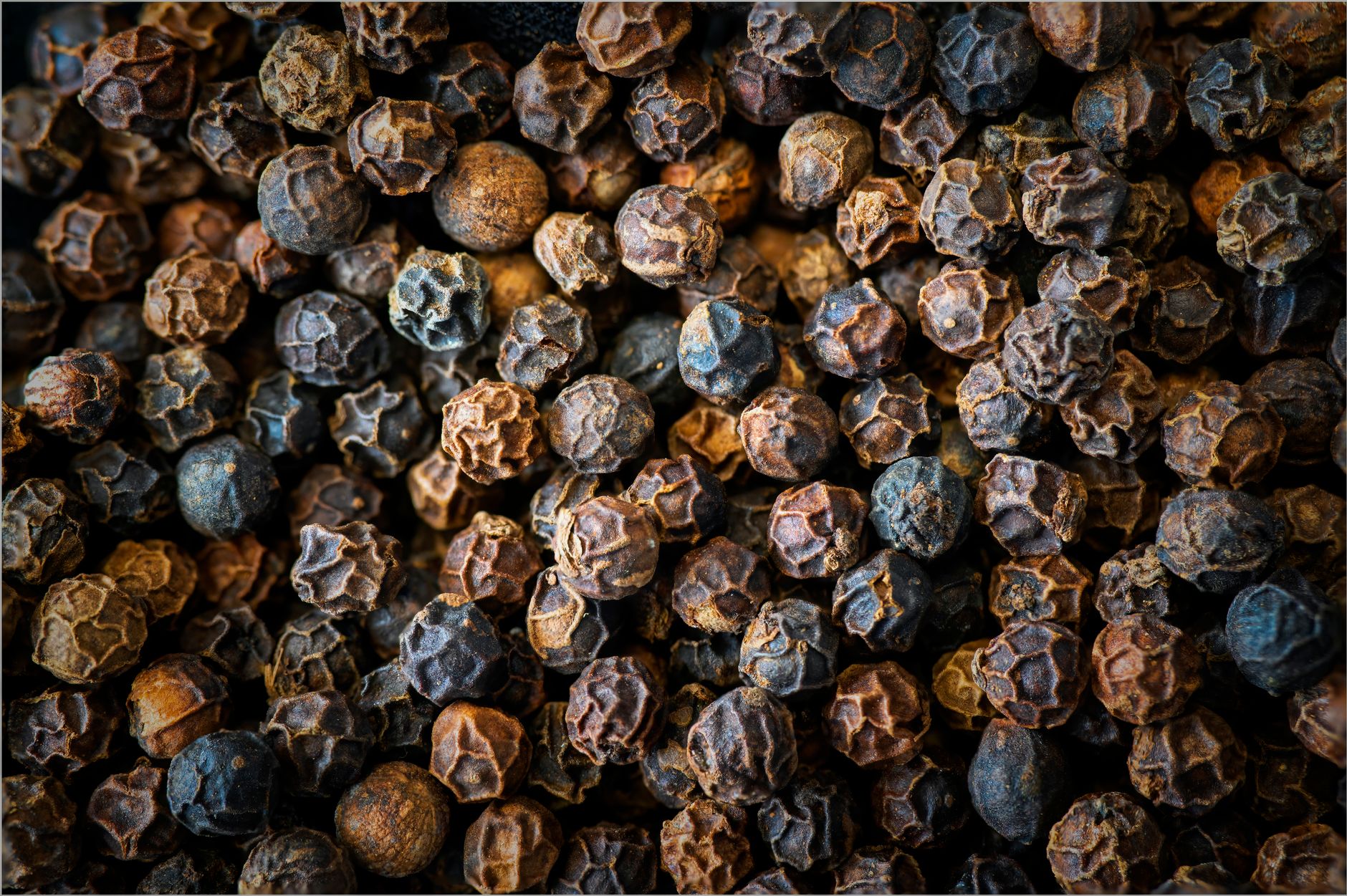
Peppercorns are a staple in many kitchens, but the question of whether they are spicy often arises among home cooks and food enthusiasts. Understanding the flavor profile of peppercorns can elevate your cooking and help you choose the right seasoning for your meals.
This article explores the spiciness of peppercorns, their flavor nuances, culinary uses, and tips for incorporating them into your dishes. With a better understanding of peppercorns, you can enhance your recipes and impress your guests with your flavor-savvy cooking.
Is Peppercorn Spicy?
Yes, peppercorns are spicy, but in a different way than chilies. The heat of peppercorns comes from a compound called piperine, which creates a warming sensation on the palate. Unlike capsaicin found in chili peppers, which can produce intense heat, the spiciness of peppercorns is more subtle and complex.
The Heat Level of Peppercorns
The heat level of peppercorns varies depending on the type of peppercorn used. The most common types are black, white, green, and pink peppercorns, each possessing unique flavor profiles and spiciness levels.
Black Peppercorns
Black peppercorns are the most widely used and have a moderate heat level. They offer a pungent, earthy flavor with a slight kick of spiciness. The heat level can range from 2,000 to 5,000 Scoville Heat Units (SHU), which is considerably lower than many chili peppers.
White Peppercorns
White peppercorns, which are the ripe fruit of the pepper plant with the outer skin removed, have a milder flavor compared to black pepper. However, they still contain piperine, so they can pack a spicy punch, albeit with a different taste. Their heat level is similar to black pepper, around 3,000 to 4,000 SHU.
Green Peppercorns
Green peppercorns are harvested while unripe and have a fresh, herbal flavor. They tend to be milder compared to black and white peppercorns. Their heat level falls around 1,000 to 2,000 SHU, making them a great choice for dishes where a subtle warmth is desired.
Pink Peppercorns
Pink peppercorns are not true peppercorns but rather the dried berries of the Peruvian or Brazilian pepper tree. They have a sweet, fruity flavor and a very mild heat level, usually below 1,000 SHU. They add color and a gentle warmth to various dishes.
Flavor Profile of Peppercorns
The flavor of peppercorns is complex, combining heat with a variety of other taste notes. Here’s a breakdown of the flavor provided by different types of peppercorns:
- Black Peppercorns: Earthy, woody, and slightly citrusy.
- White Peppercorns: Fermented, musty flavor with a slight creaminess.
- Green Peppercorns: Bright, fresh, and slightly fruity.
- Pink Peppercorns: Sweet, aromatic, and mildly spicy.
Culinary Uses of Peppercorns
Peppercorns can be used in a multitude of ways across various cuisines. Here are significant applications in cooking:
Seasoning
Peppercorns are essential as a seasoning agent. Ground black pepper is a common addition to savory dishes, lending warmth and depth to soups, stews, meats, and vegetables. Whole peppercorns can also be used in brines or marinades to impart flavor.
Spice Blends
Various spice blends, such as garam masala or Cajun seasoning, often include peppercorns for added heat. Their versatility makes them a perfect complement to other spices.
Infusions and Oils
Peppercorns can be infused into oils or vinegars, adding a spiced element to salad dressings or marinades. This infusion can heighten the flavors of dishes with a simple drizzle.
Flavoring Liquids
Whole peppercorns are often used in flavoring stocks and sauces. They can be added to boiling liquids and then strained before serving to incorporate their unique flavor without the texture of ground pepper.
How to Use Peppercorns in Cooking
Incorporating peppercorns effectively into your cooking requires understanding their characteristics and how they interact with other ingredients. Here are some practical tips:
Freshly Ground vs. Pre-Ground
For the best flavor, always opt for freshly ground pepper over pre-ground varieties. Whole peppercorns retain their essential oils longer, resulting in a more potent flavor when ground just before use.
Amount to Use
The amount of peppercorns to use can vary based on the dish. Start with a small amount, particularly if you are unsure about heat tolerance. As a general guideline:
- Soups and stews: 1/2 teaspoon of freshly ground pepper.
- Meat rubs: 1 teaspoon of coarsely ground pepper per pound of meat.
- Salad dressings: 1/4 teaspoon for flavor.
Crushing and Grinding Techniques
To release the full flavor of peppercorns, crushing or grinding is essential. Use a mortar and pestle, spice grinder, or pepper mill. Coarse grounds are better for soups, while finer grounds shine in dressings.
Practical Substitutions for Peppercorns
If you find yourself without peppercorns or wish to use an alternative flavoring, several substitutes can provide similar effects:
- Paprika: Offers mild spiciness with earthy sweetness. Use sparingly.
- White Pepper Powder: Similar in heat but with a subtler flavor. Use in equal amounts.
- Cayenne Pepper: Spicy and more intense; use one-third of the amount.
- Chili Flakes: Good for heat, but they add different flavor notes. Use half the amount.
Common Mistakes When Using Peppercorns
Understanding how to use peppercorns can enhance your culinary adventures and prevent common mishaps. Below are frequent mistakes to avoid:
- Overusing Ground Pepper: Too much black pepper can overwhelm delicate flavors. Start small.
- Neglecting Freshness: Old spices lose flavor, so replace them as necessary.
- Ignoring Texture: For dishes where texture matters, opt for coarsely ground pepper instead of fine.
Easy Ways to Incorporate Peppercorns into Dishes
Here are some straightforward methods to include peppercorns in your cooking, enhancing the flavor profiles of various meals:
In Seasonings
Add freshly ground pepper to your seasonings for meats or marinades. Pair it with garlic, herbs, and a touch of salt.
During Cooking
Incorporate whole or crushed peppercorns when simmering soups, sauces, or stocks. The long cooking time extracts their flavors.
Finishing Touch
Use freshly ground pepper as a finishing touch on salads, grilled meats, or roasted vegetables for a burst of fresh flavor.
Storage Tips for Peppercorns
Proper storage of peppercorns is crucial to maintaining their flavor. Here’s how to ensure their longevity:
- Keep Whole: Whole peppercorns last longer than ground. Store whole in an airtight container.
- Cool, Dark Place: Store in a cool, dark place, away from light and humidity to prevent degradation.
- Use a Grinder: Consider a grinder to keep peppercorns fresh until you need them.
Using Peppercorns in Different Cuisines
Peppercorns have significant roles in cuisine from around the world:
Indian Cuisine
In Indian cooking, peppercorns are integral to spice blends like garam masala. They add warmth to curries and lentil dishes.
Italian Cuisine
Pepper is frequently used in Italian dishes such as cacio e pepe, where the simplicity of ingredients allows the flavor of black pepper to shine.
French Cuisine
French sauces, especially classic sauces like béarnaise, often utilize white pepper for a subtler heat that complements rich flavors.
Health Considerations of Peppercorns
While peppercorns can enhance flavor, moderation is essential. Consumed in excess, they can cause irritation to the digestive tract for some individuals. However, used judiciously, they can offer potential health benefits such as:
- Promoting digestion.
- Possibly aiding in weight management due to their active compounds.
- Containing antioxidants that contribute positively to overall health.
Conclusion
Peppercorns, with their unique spiciness and complex flavor profiles, are versatile ingredients that can enhance almost any dish. By understanding their heat levels and culinary uses, you can master the art of seasoning and create delicious meals that showcase this timeless spice.
For more insights on spiciness and flavor profiles, explore our articles on cumin and gochujang.