
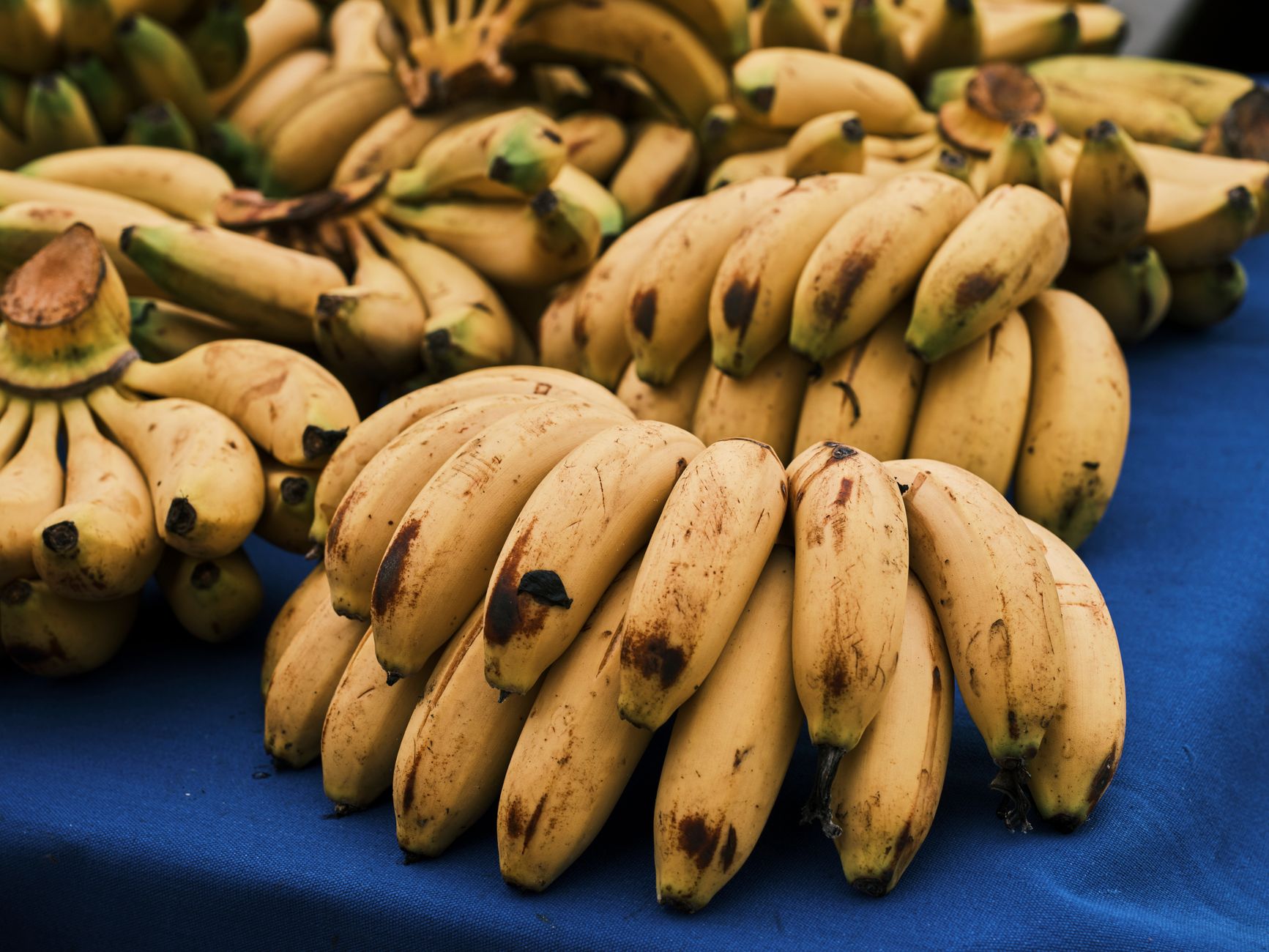
Bananas are one of the most popular fruits globally, beloved for their convenience and nutritional benefits. But have you ever wondered where most bananas come from? Understanding the origins of bananas not only reveals the fruit’s fascinating history but also highlights their journey from tropical farms to grocery stores around the world.
In this article, we’ll explore the cultivation of bananas, the major exporting countries, the different varieties, and the challenges facing banana production today. By the end, you’ll have a deeper appreciation for this beloved fruit, knowing more about its sources and significance in the global food market.
Where Do Most Bananas Come from?
Most bananas consumed worldwide are grown in tropical regions, primarily in countries found along the equator. The largest producers of bananas include countries like India, China, Indonesia, the Philippines, and Brazil. Together, these countries account for a significant portion of the global banana supply, with exports primarily originating from Latin America.
The Banana Plant: A Brief Overview
The banana plant is not a tree but rather a large herbaceous perennial. It can grow up to 30 feet tall and is characterized by its large leaves and a bulbous trunk formed by tightly packed leaf bases. The plant grows from a rhizome and produces bananas in clusters after a flowering process, which is fascinating from a botanical perspective.
Bananas are commonly classified into two categories: dessert bananas and cooking bananas. Dessert bananas, known as Cavendish bananas, make up the majority of the banana market and are the type most people think of when considering the fruit. Cooking bananas, such as plantains, are starchier and used more like vegetables in various dishes.
Major Banana-Producing Countries
While bananas are grown in many countries, a few stand out as the largest producers:
- India: India is the largest producer of bananas, contributing about 27% of the world’s total output. It primarily cultivates varieties for local consumption.
- China: The second largest producer, China’s banana farms are predominantly found in the southern provinces where the tropical climate is suitable for growth.
- Indonesia: Indonesia grows both dessert and cooking varieties of bananas, with the fruit playing a crucial role in local diets.
- Philippines: The Philippines is a significant exporter of Cavendish bananas, sending large shipments to countries like Japan and the United States.
- Brazil: Brazil produces a variety of bananas and has a strong domestic market, although it exports less compared to other leading countries.
The Banana Lifecycle: From Farm to Table
Understanding the lifecycle of bananas can give insight into their journey from farm to table.
- Planting: This process starts with planting the banana rhizomes or suckers in well-drained soil, ensuring they have ample sunlight and moisture.
- Cultivation: Banana plants require specific environmental conditions, rain, and nutrients. Farmers often use organic or chemical fertilizers to enhance growth.
- Flowering: After about nine months, banana plants flower, producing an inflorescence that will eventually develop into clusters of bananas.
- Harvesting: Bananas are harvested while still green to ensure they withstand transportation. The fruit will continue to ripen post-harvest.
- Processing: After harvesting, bananas are often washed, sorted, and treated with ethylene gas to encourage ripening for consumers.
- Distribution: The bananas are then packaged and sent to markets and grocery stores where they reach consumers.
Varieties of Bananas
While the Cavendish banana dominates the market, there are numerous varieties of bananas, each with its unique flavor, texture, and culinary uses:
- Cavendish: The most common commercial variety, sweet and versatile, perfect for eating raw or in smoothies.
- Plantains: Often used in cooking, plantains are starchy, and can be fried, boiled, or roasted. They are not suitable for eating raw.
- Red Bananas: Shorter and plumper than Cavendish, red bananas have a hint of raspberry flavor and are often found in Southeast Asia.
- Burro Bananas: Known for their unique flavor and square shape, Burro bananas have a slightly tangy taste and creamy texture.
- Lady Finger Bananas: Also known as “Baby” bananas, these small, sweet bananas are perfect for snacks or desserts.
Challenges Facing Banana Production
Despite its popularity and wide consumption, banana production faces several challenges that threaten its sustainability:
- Diseases: Diseases such as the Panama disease and Black Sigatoka threaten banana crops, leading to significant crop losses.
- Pesticide Use: The reliance on pesticides to manage pests and diseases has raised concerns about environmental and human health.
- Climate Change: Changes in temperature and rainfall patterns can affect banana production, leading to reduced yields in some regions.
- Monocropping: The widespread cultivation of the Cavendish variety has created vulnerabilities, as a single disease could wipe out large portions of the crop.
The Global Market for Bananas
The banana market is a major aspect of the global economy. It is one of the most traded fruits in the world, with billions of dollars in commercial transactions each year.
The top exporting countries include Ecuador, Costa Rica, the Philippines, Colombia, and Mexico. Ecuador stands out as the largest exporter, sending the majority of its bananas to the United States and Europe.
While bananas mainly cater to fresh markets, they are also processed into products like banana chips, puree, and baby food, broadening their market appeal.
Selecting and Storing Bananas
When purchasing bananas, look for ones that are bright yellow and free from blemishes. The ripeness can be assessed by the color and firmness; slightly green bananas will ripen at home. Here are some helpful tips for storing bananas:
- Keep bananas at room temperature to ripen, away from direct sunlight.
- If bananas are overly ripe, store them in the refrigerator. Their skin may darken, but the fruit will remain firm for a longer period.
- For long-term storage, consider freezing bananas. Peel and slice them before putting them in an airtight container or freezer bag.
Culinary Uses of Bananas
Bananas are incredibly versatile in the kitchen. Here are some popular ways to use them:
- Snacking: Fresh bananas are a convenient on-the-go snack, ideal for breakfast or a midday boost.
- Baking: Overripe bananas are perfect for banana bread, muffins, and pancakes.
- Smoothies: Bananas add creaminess and natural sweetness to smoothies, paired well with berries or nut butter.
- Cooked dishes: Plantains are often used in savory recipes like tostones or as a side dish to accompany meats.
- Desserts: Bananas are used in various desserts, such as banana foster, puddings, and fruit salads.
Banana Recipes to Try
Here are two popular banana-based recipes you might enjoy:
Banana Bread
Banana bread is a delicious way to use up overripe bananas. This quick bread is moist, flavorful, and perfect for breakfast or dessert.
Ingredients
- 3 ripe bananas, mashed
- 1/3 cup melted butter
- 1 teaspoon baking soda
- Pinch of salt
- 3/4 cup sugar (adjust for sweetness)
- 1 large egg, beaten
- 1 teaspoon vanilla extract
- 1 cup all-purpose flour
Method
- Preheat your oven to 350°F (175°C).
- In a mixing bowl, mix the mashed bananas with melted butter.
- Add baking soda and salt to the mix, then stir in sugar, egg, and vanilla.
- Finally, mix in the flour until smooth.
- Pour the banana mixture into a greased loaf pan.
- Bake for 60-65 minutes or until golden brown and a toothpick comes out clean.
- Allow to cool before slicing.
Banana Smoothie
A banana smoothie is a quick and healthy breakfast option that can be made in minutes.
Ingredients
- 1 ripe banana
- 1 cup milk (dairy or non-dairy)
- 1 tablespoon honey or maple syrup (optional)
- 1/2 cup yogurt
- Ice cubes (optional)
Method
- Combine the banana, milk, honey, and yogurt in a blender.
- Blend until smooth, adding ice cubes if desired for a colder smoothie.
- Pour into a glass and enjoy immediately.
Conclusion
Bananas are not just a delicious and versatile fruit; they also have rich histories and complexities in their production and distribution. From their origins in tropical regions to their journey through global markets, understanding where bananas come from highlights their importance on our plates.
Next time you reach for a banana, consider the incredible journey it undertook to reach you—then enjoy it in a smoothie, banana bread, or simply on its own. Explore more about your favorite foods and their origins, such as where do bananas come from and how to make banana bread for delicious and practical insights into your culinary adventures.